Marcus / limited play time
Problem: coordinating people consumes his short play window.
Need: see who is ready and judge session length quickly.
I combine industrial design, human behavior, manufacturing experience and innovation strategy to create better products, experiences and systems.
A multidisciplinary perspective built across design, psychology, manufacturing, leadership and innovation.
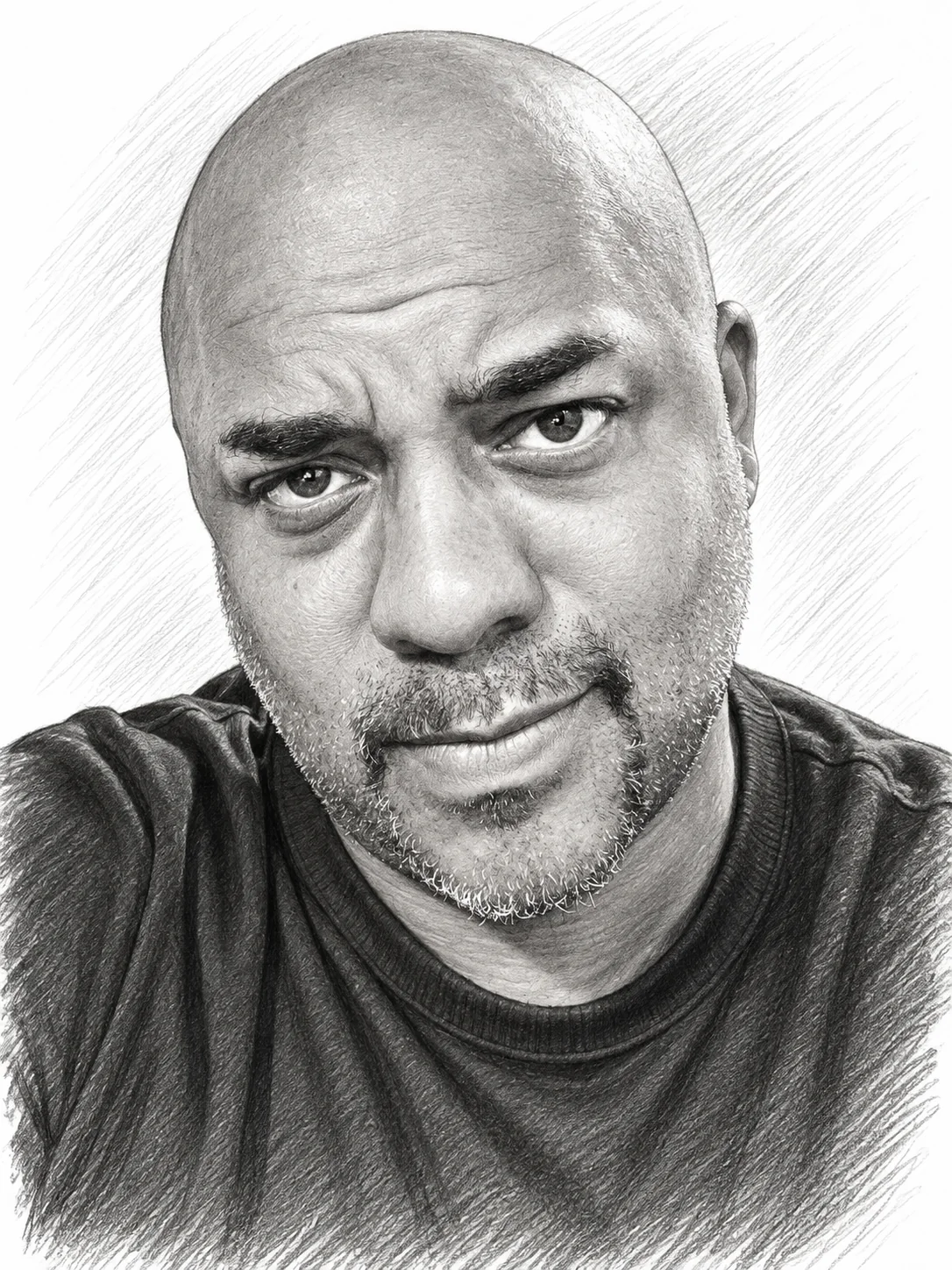
I'm Jason Young, an Industrial Designer and Innovation Strategist with more than 20 years of experience spanning product design, human-centered innovation, manufacturing and safety-critical environments.
My approach combines an Advanced Diploma in Industrial Design with an Honours B.A. in Psychology. That combination helps me translate human needs and behavioral insights into tangible product features, practical systems and strategic opportunities.
I've worked across production, engineering, safety, design and business environments—leading continuous improvement initiatives, developing concepts, coordinating cross-functional teams and turning ideas into action.
Ten featured case studies demonstrate industrial design, innovation strategy, service systems and human-centered design, supported by research, systems thinking and visual concept development.
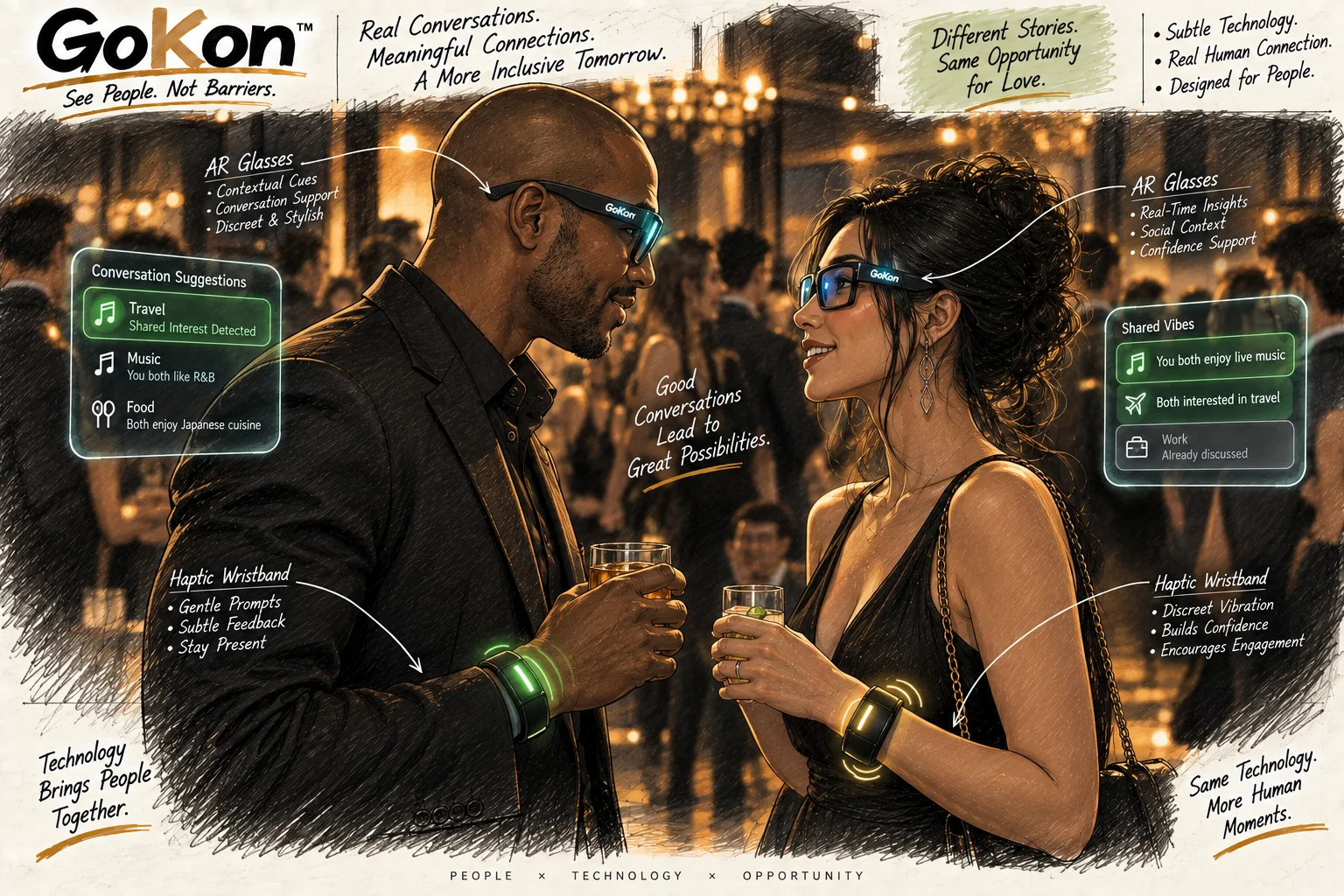
An augmented-reality assisted social matchmaking concept combining wearable interaction, compatibility intelligence and human-centered event design.
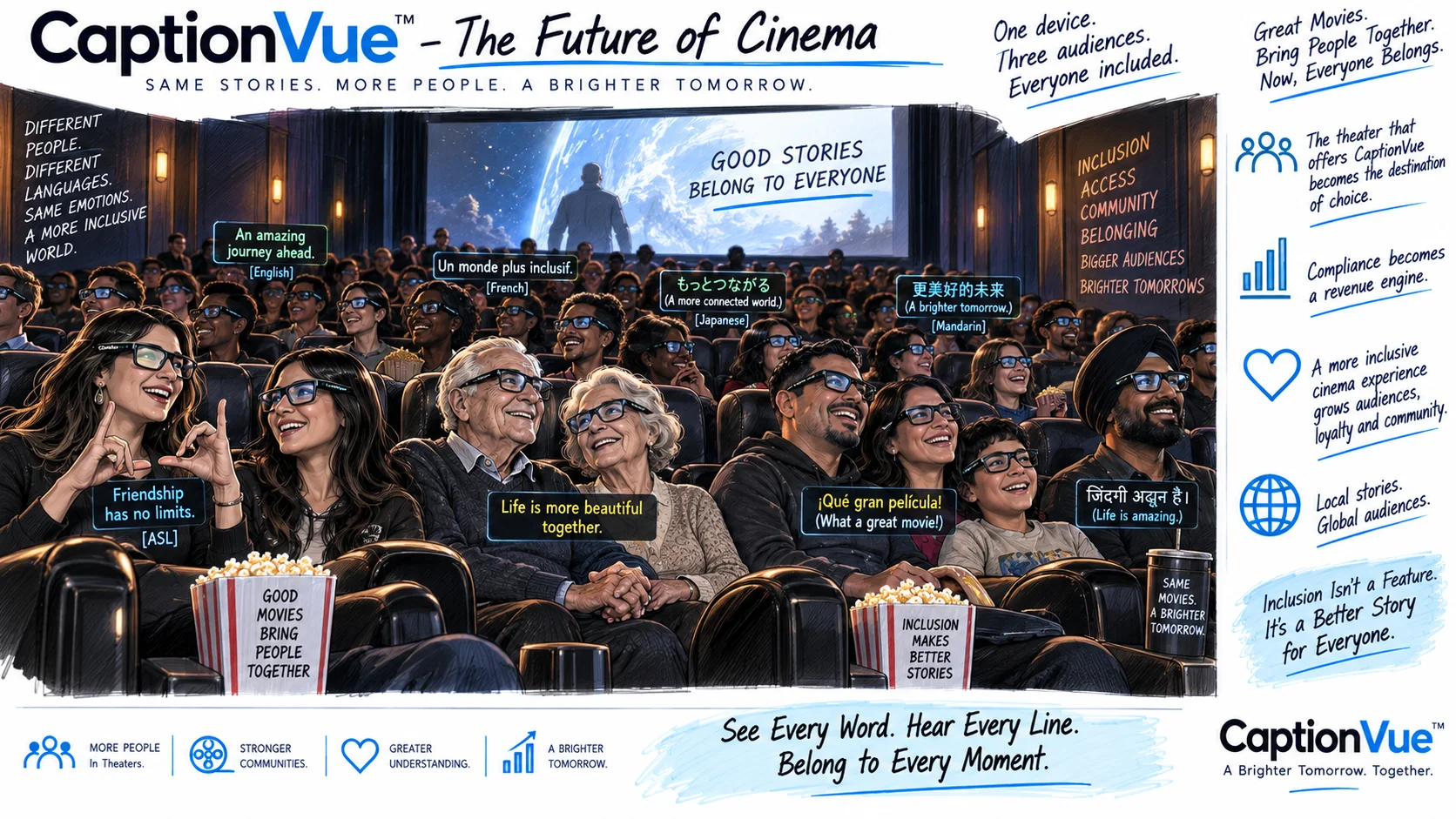
An inclusive cinema-accessibility concept using discreet AR eyewear, personalized captions and audio support to create a more accessible shared movie experience.
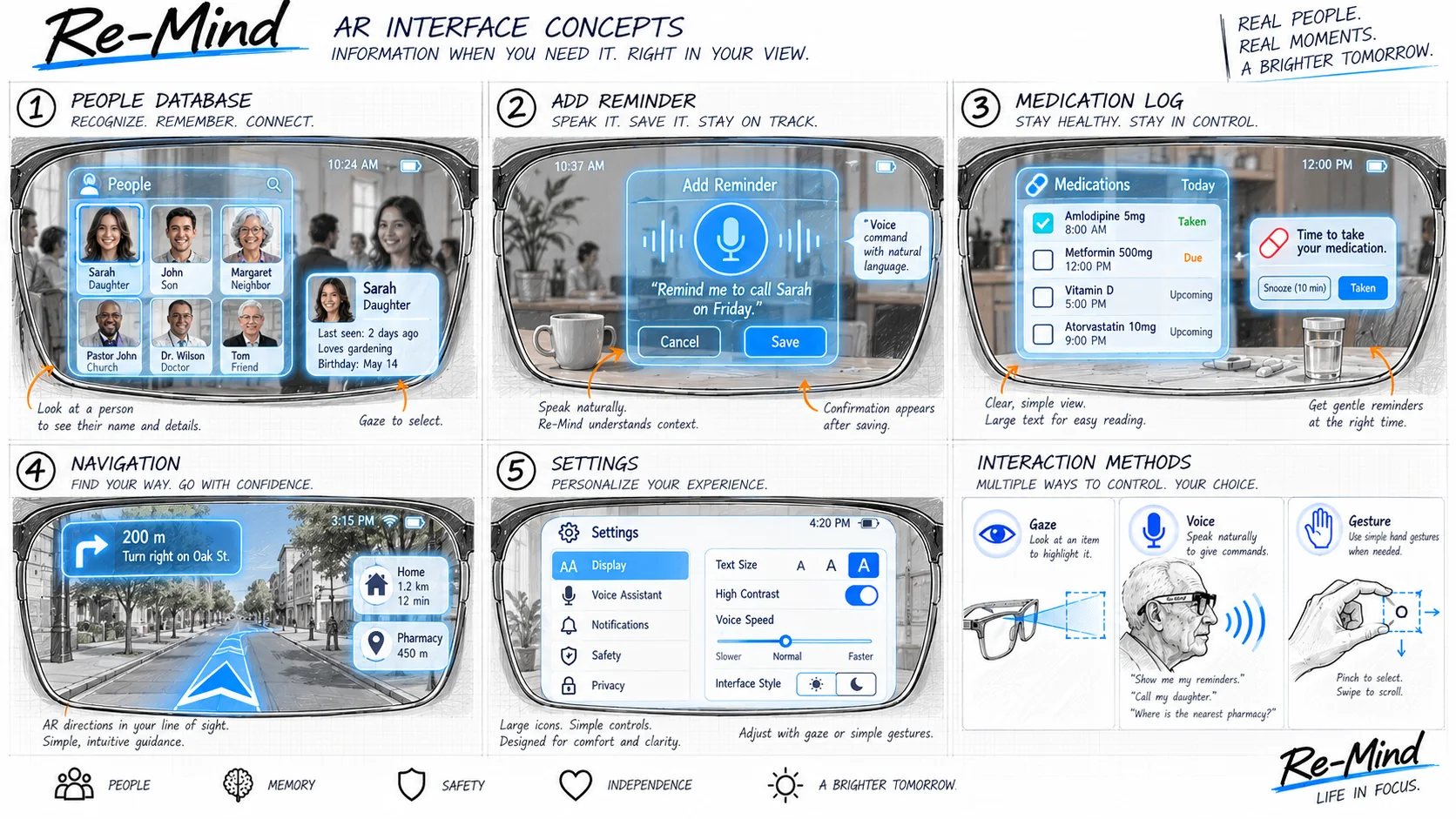
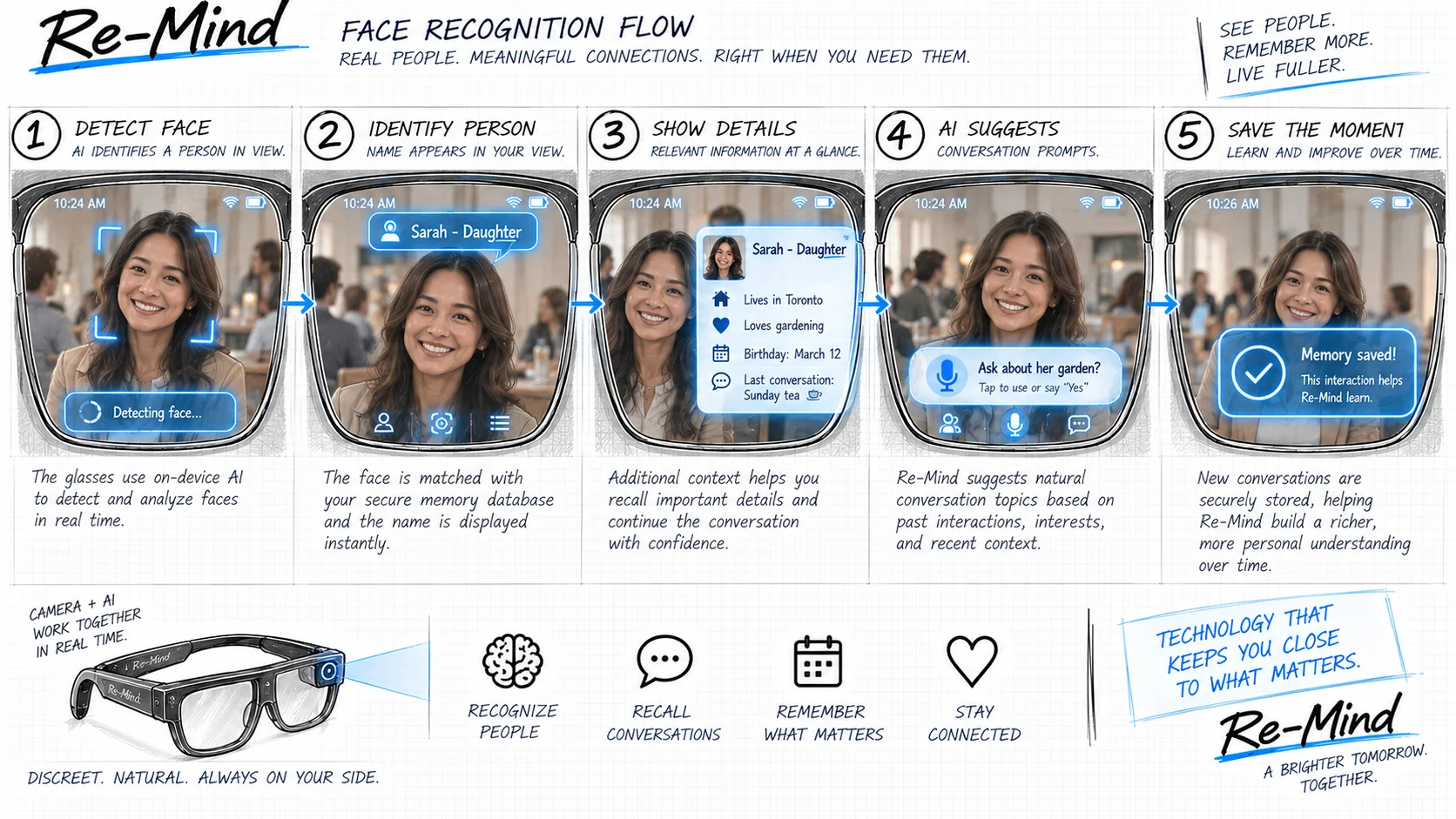
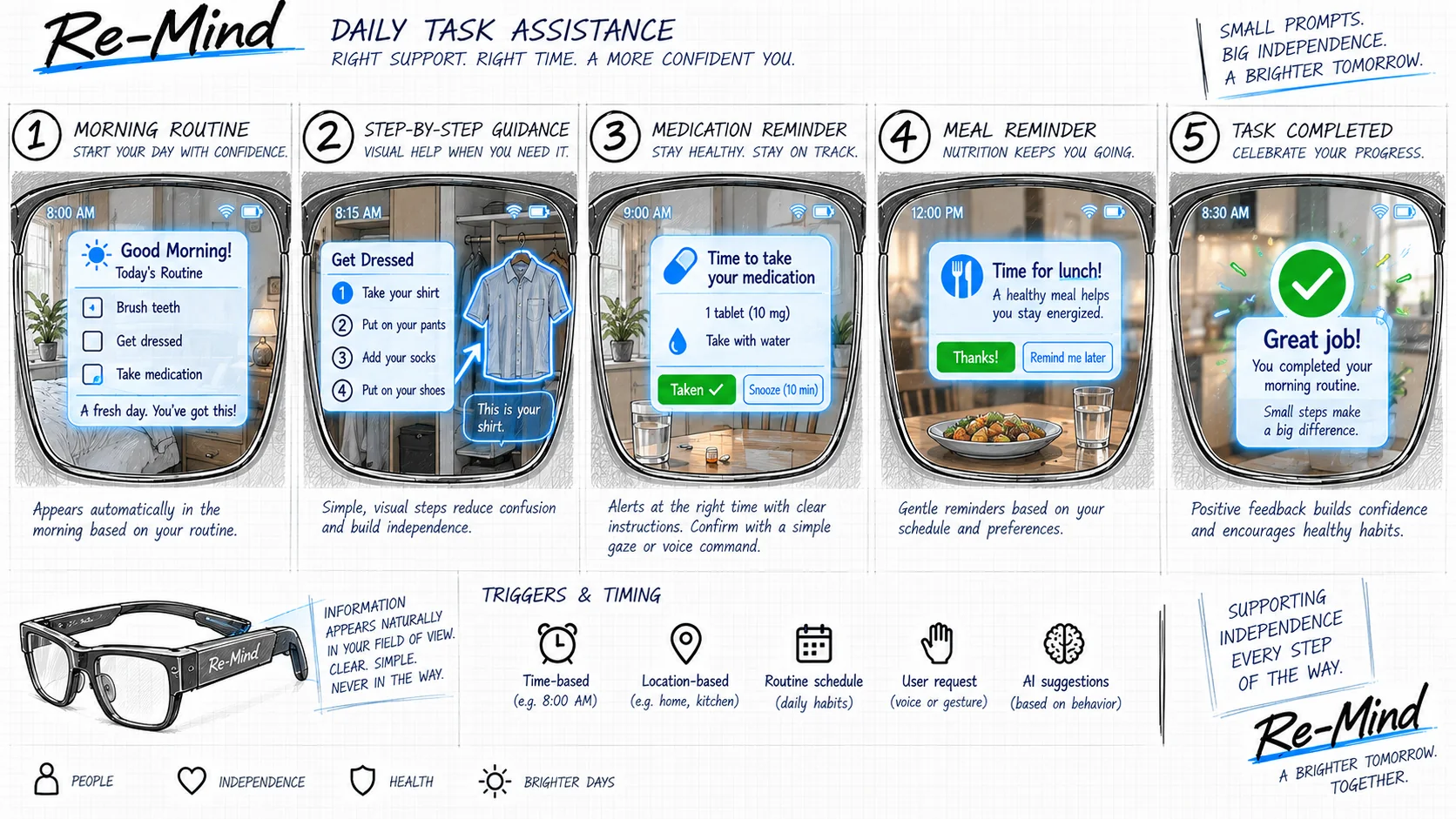
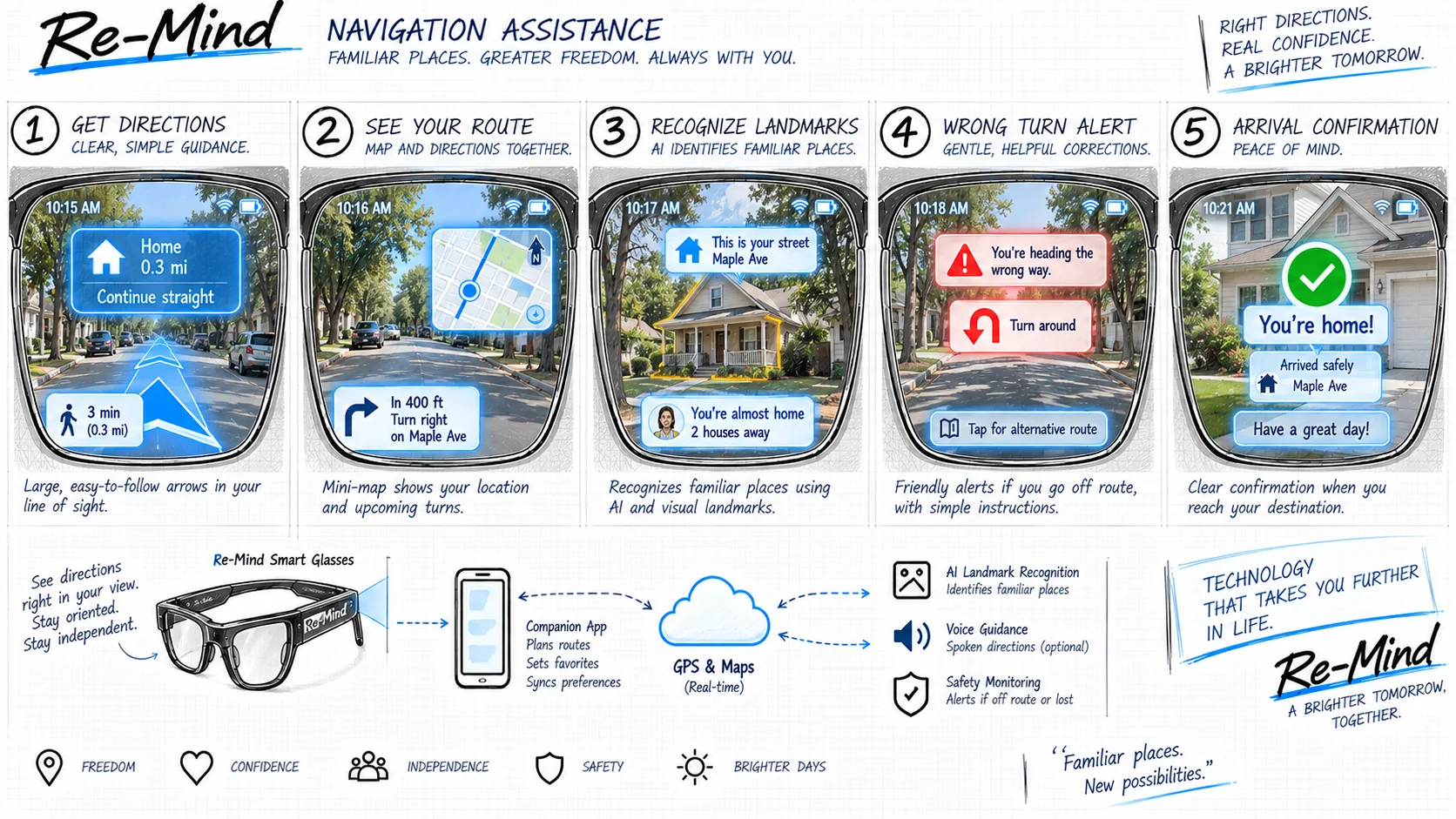
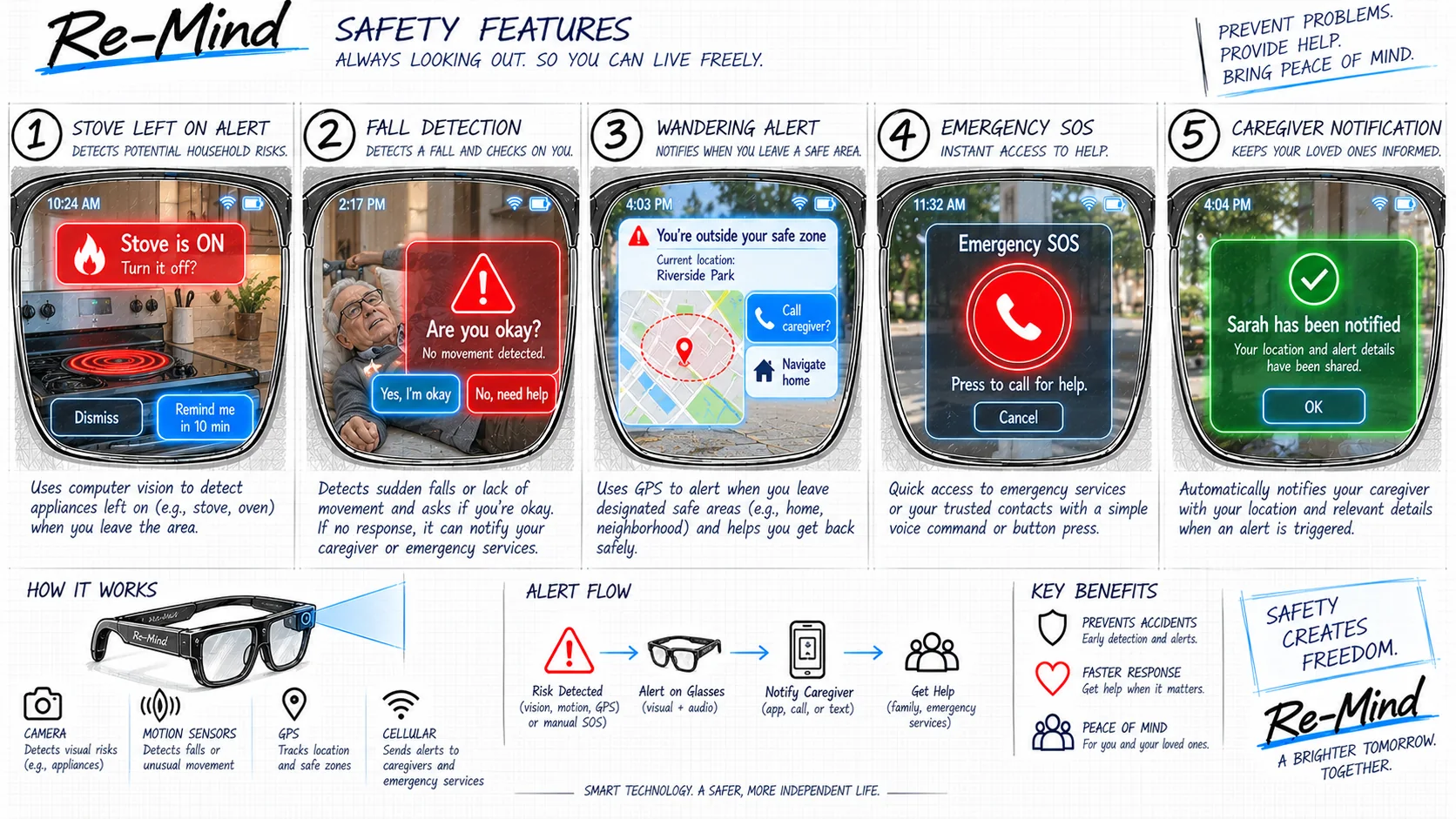
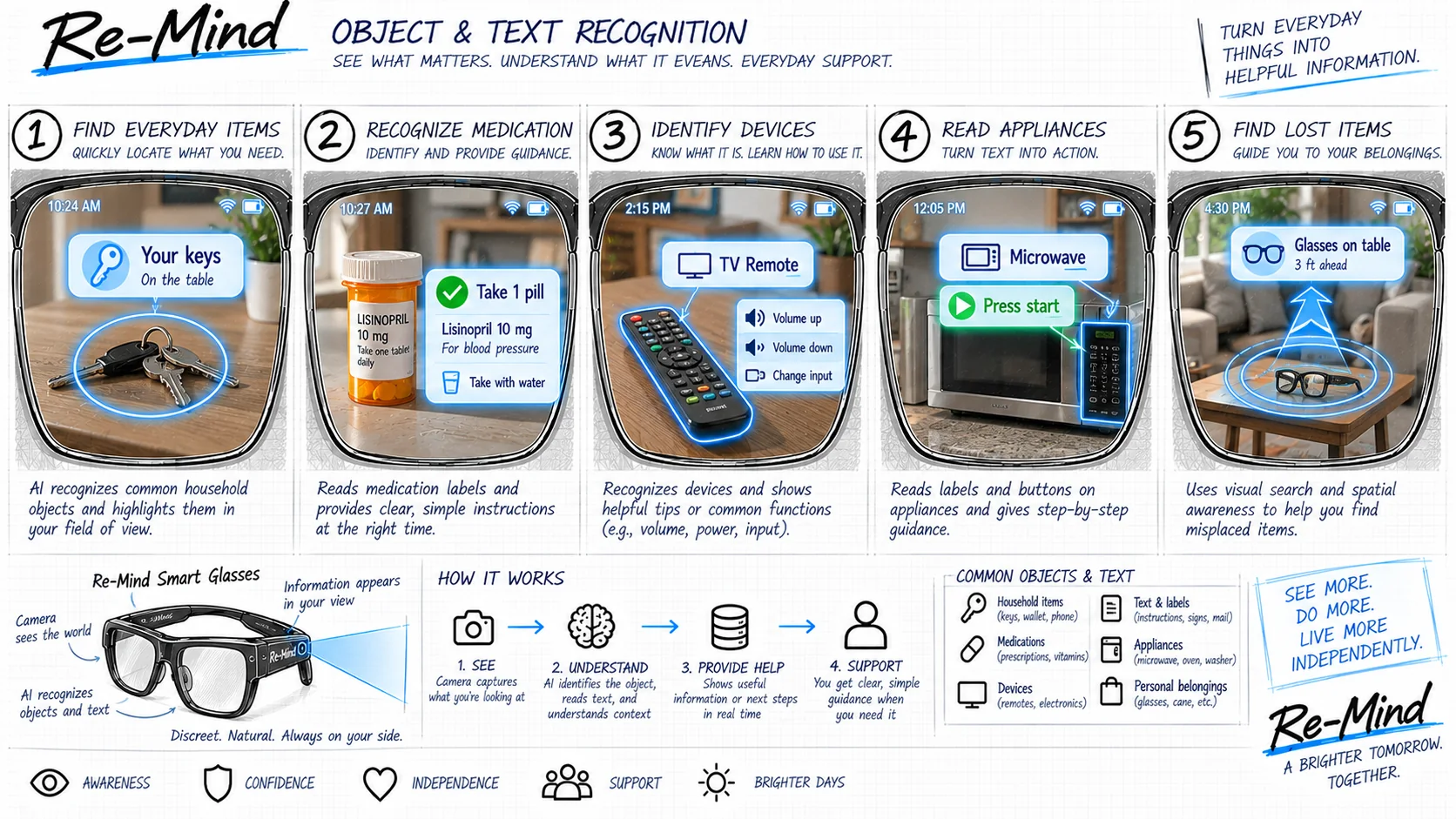
Project Re-Mind™ — an AI-powered AR cognitive-support ecosystem exploring how human-centered technology can support memory, independence, safety and meaningful connection.
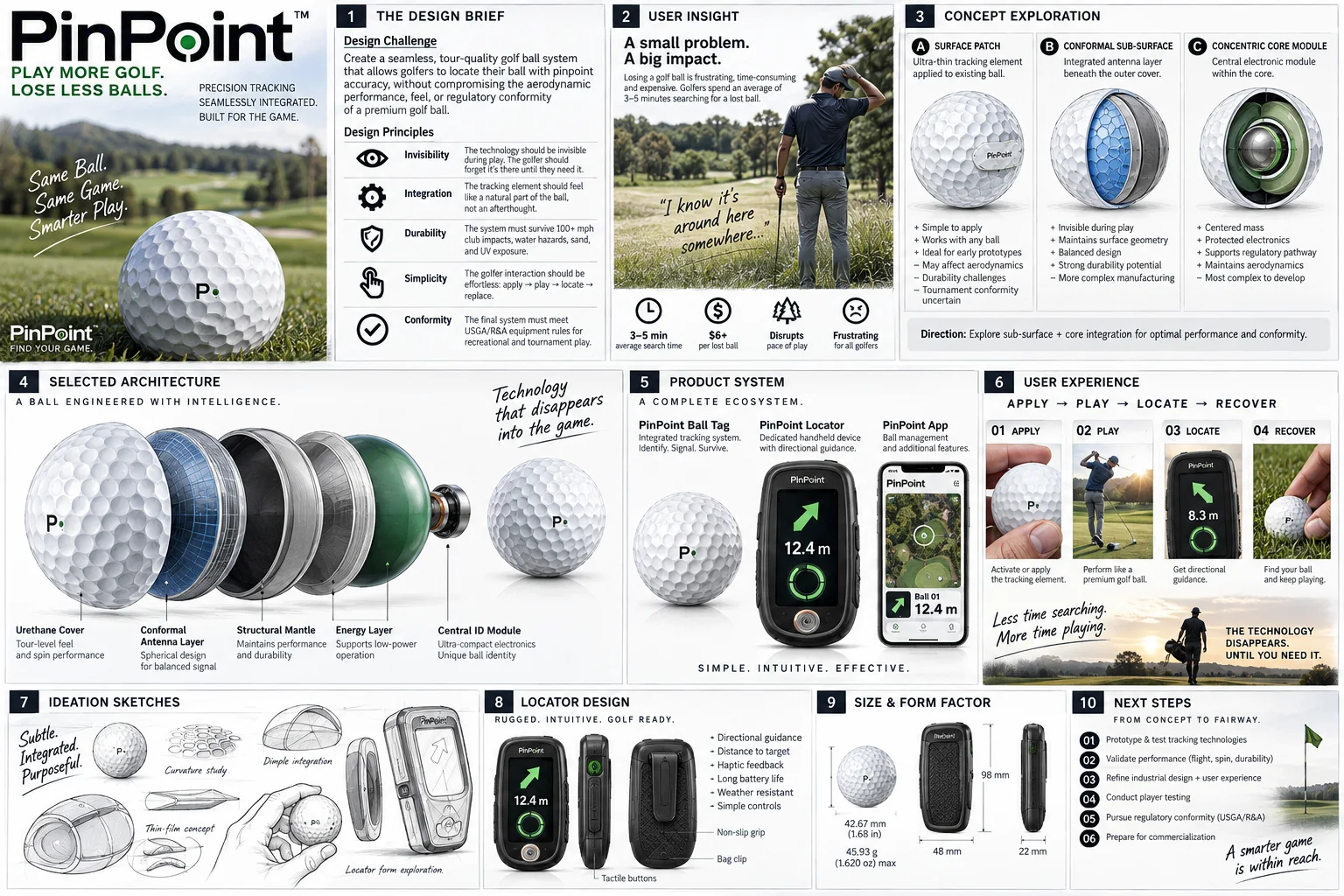
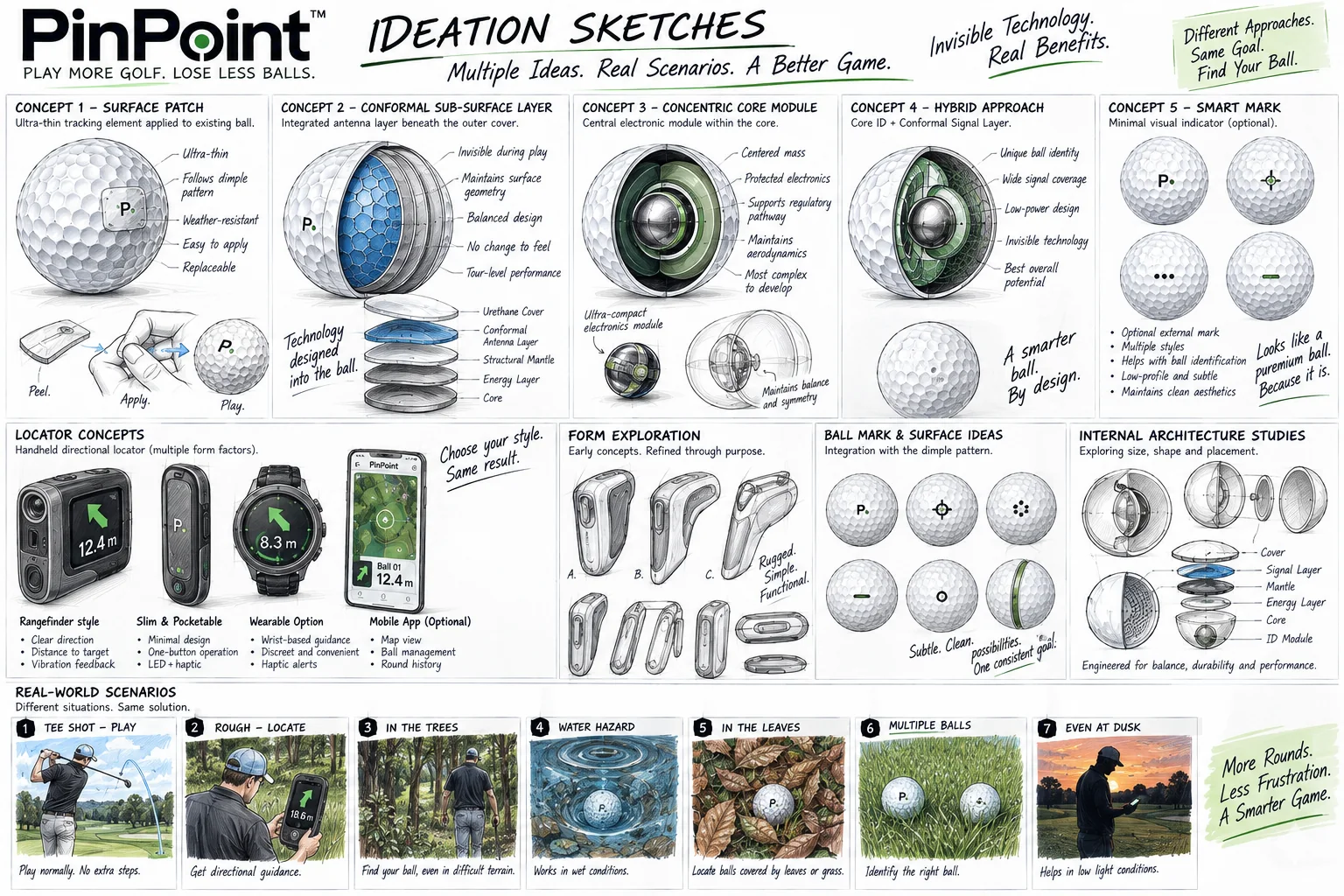
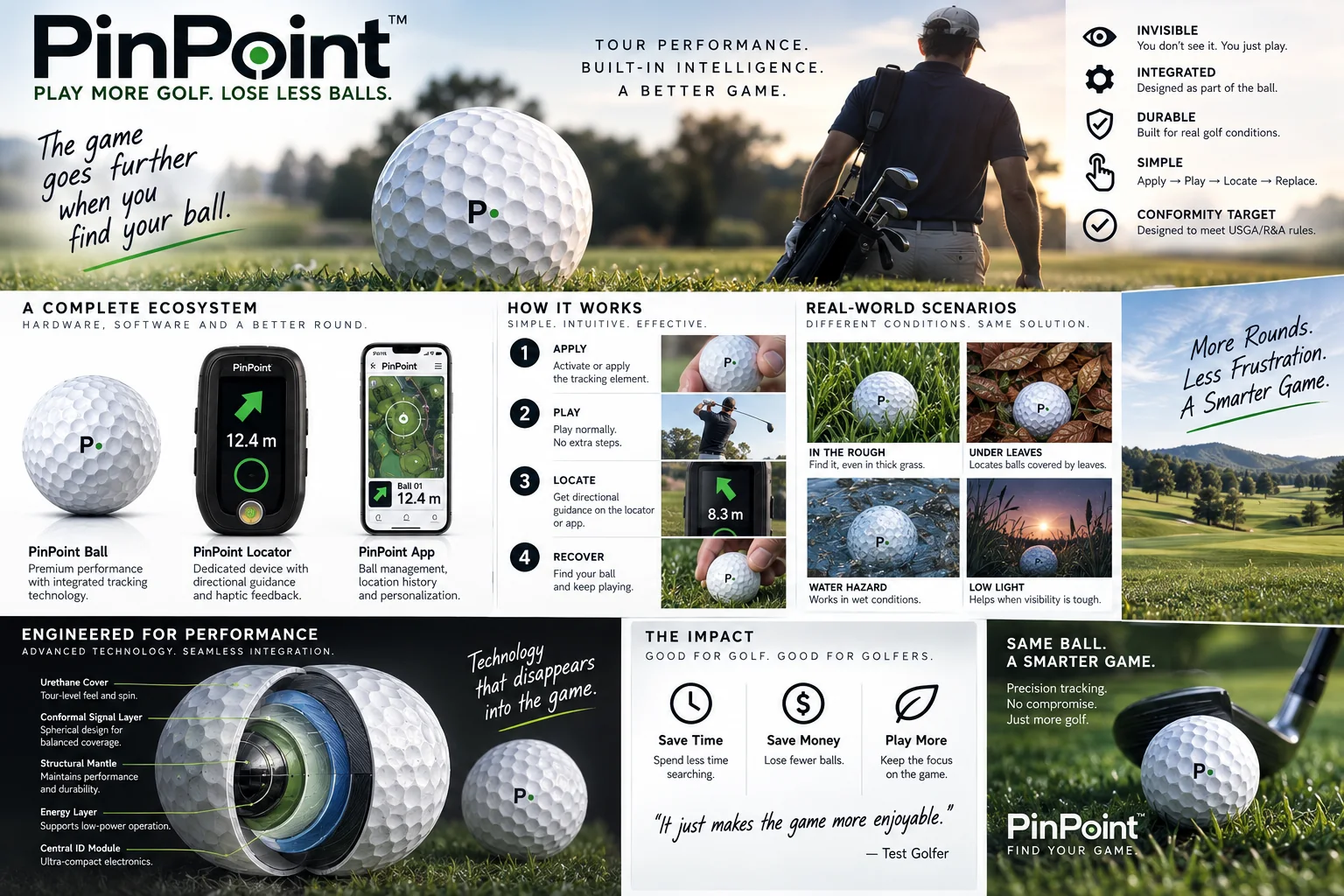
A seamless golf-ball tracking ecosystem designed to help golfers locate their ball with pinpoint accuracy while preserving premium performance, feel and a regulation-conscious design path.
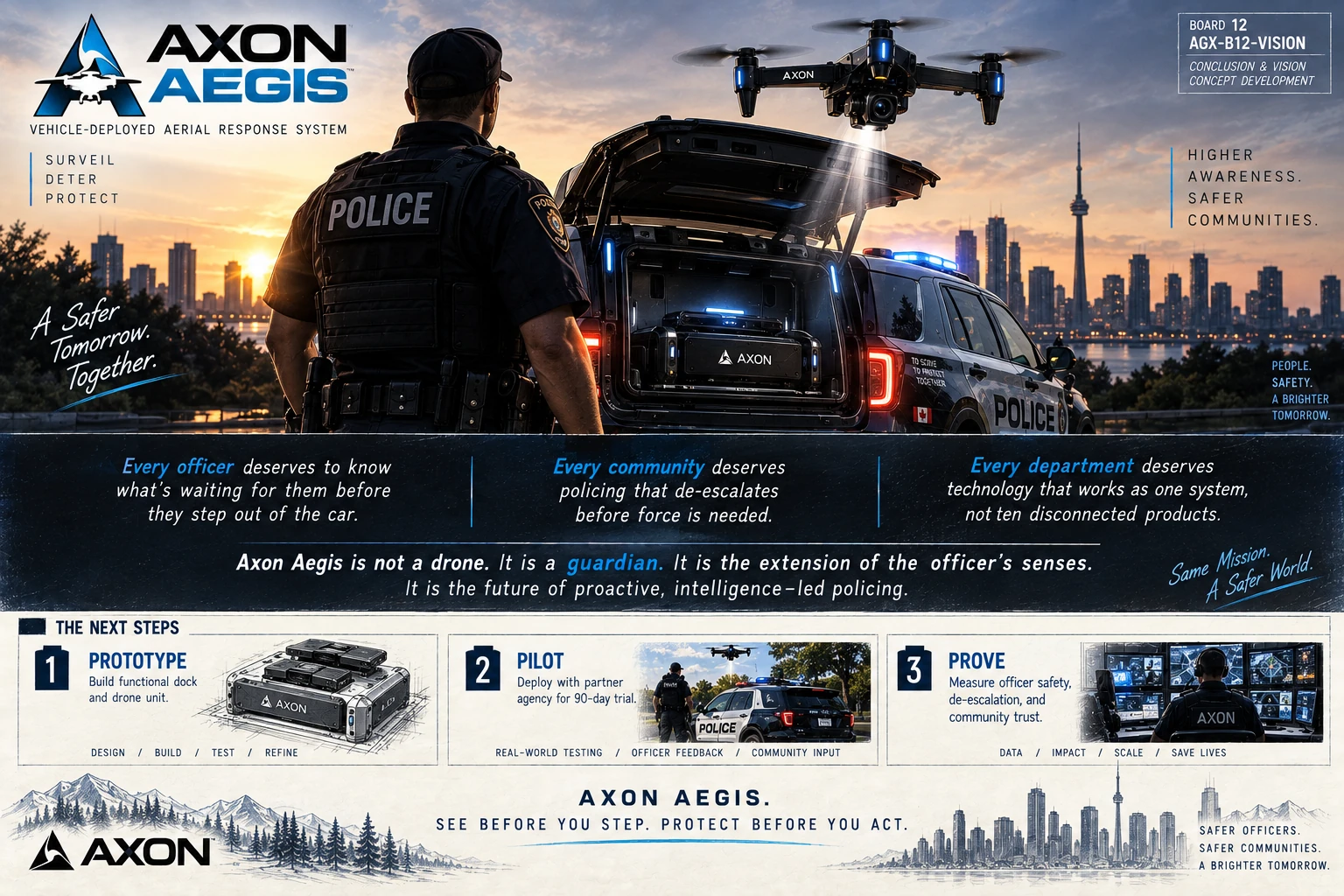
A speculative vehicle-integrated aerial-response concept exploring how autonomous sensing, officer-facing intelligence and evidence systems could reduce uncertainty before officers enter higher-risk scenes.
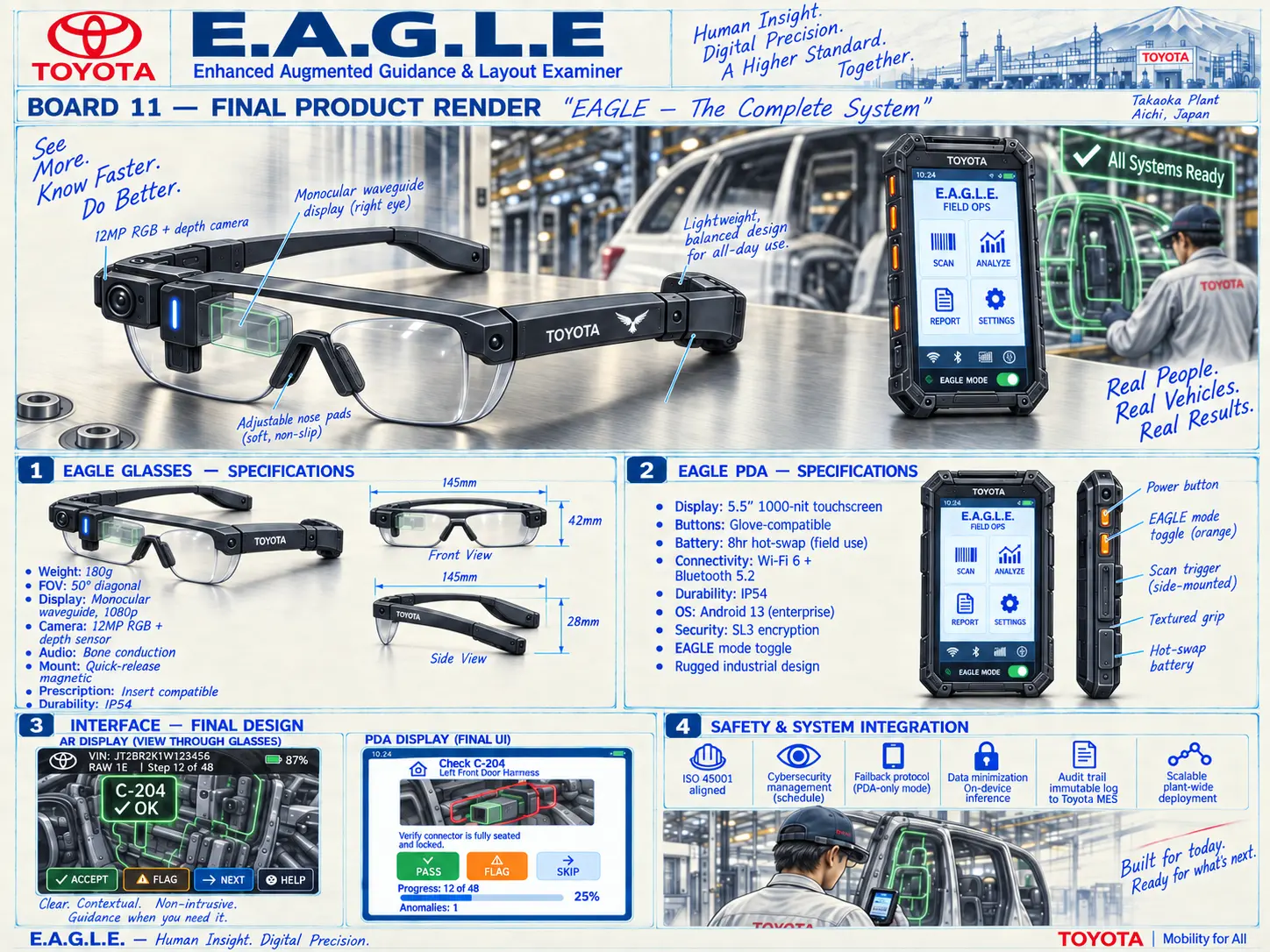
An augmented-reality inspection ecosystem designed to help manufacturing quality teams see, verify and document complex assembly information with greater clarity.
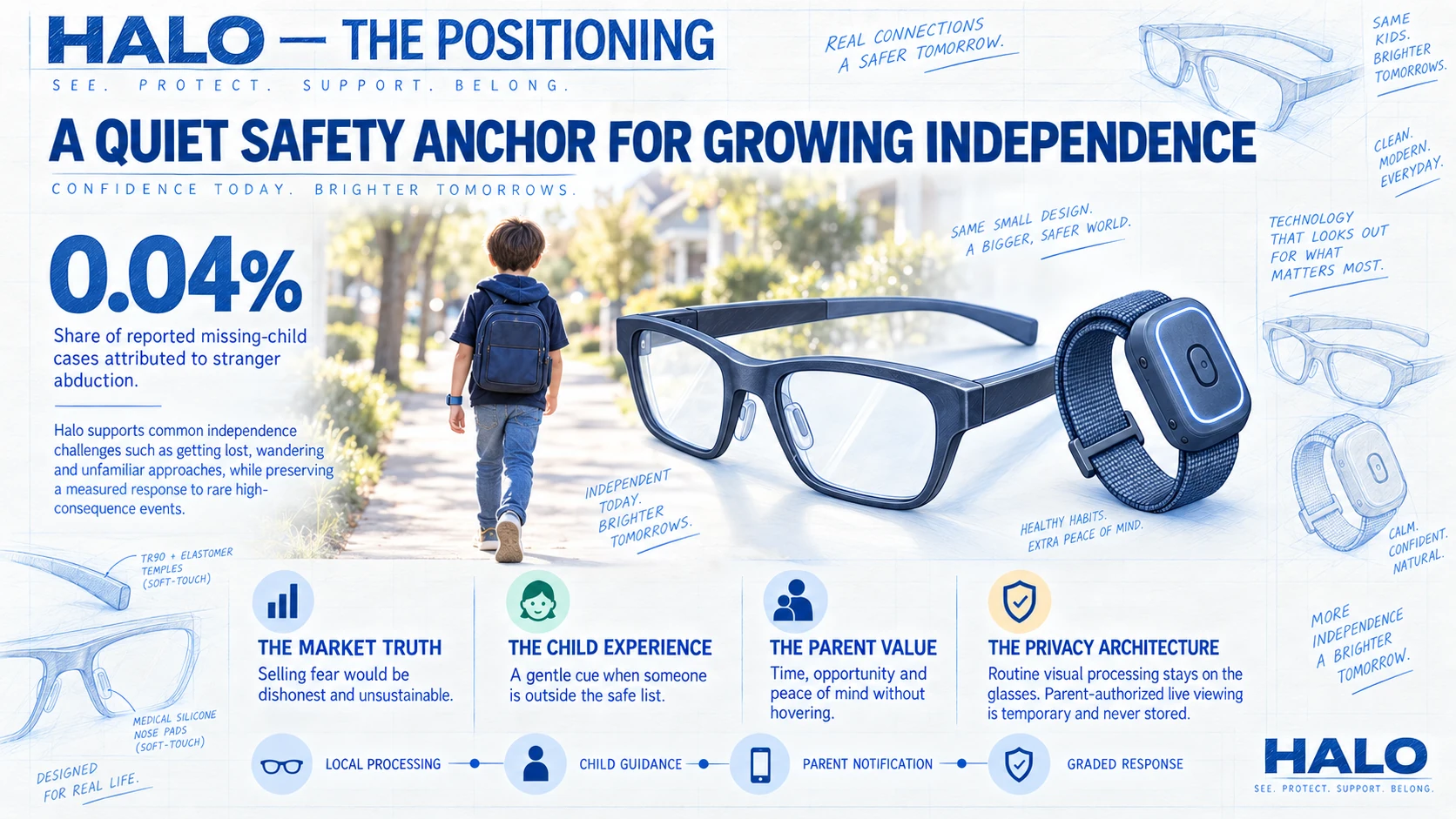
A discreet connected eyewear, wristband and parent-app concept supporting children’s growing independence through graded alerts, trusted contacts and privacy-conscious safety awareness.
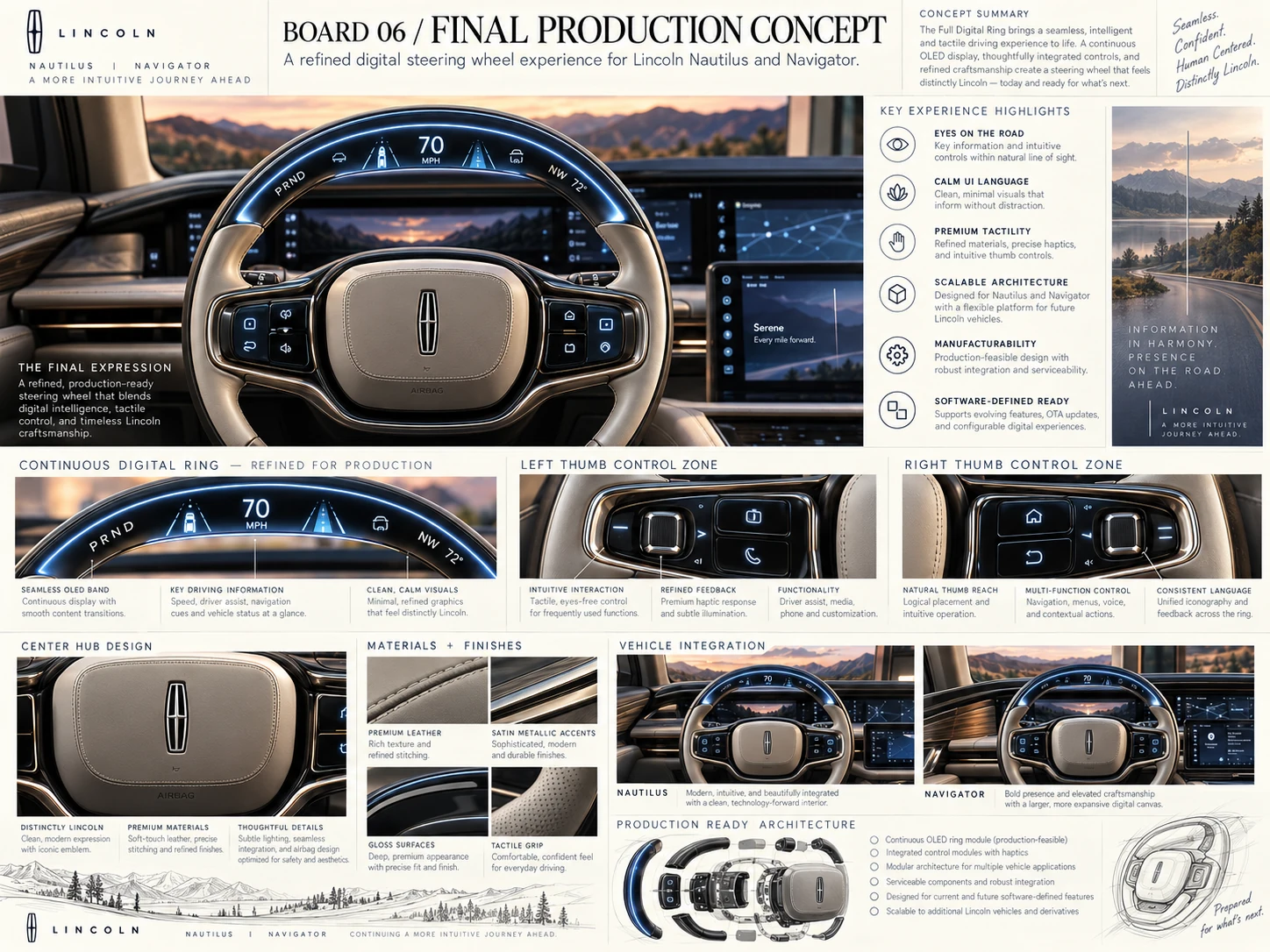
A redesigned Lincoln steering-wheel interface featuring a continuous digital control ring around a rectangular wheel form, explored from research through production-oriented design and safety considerations.
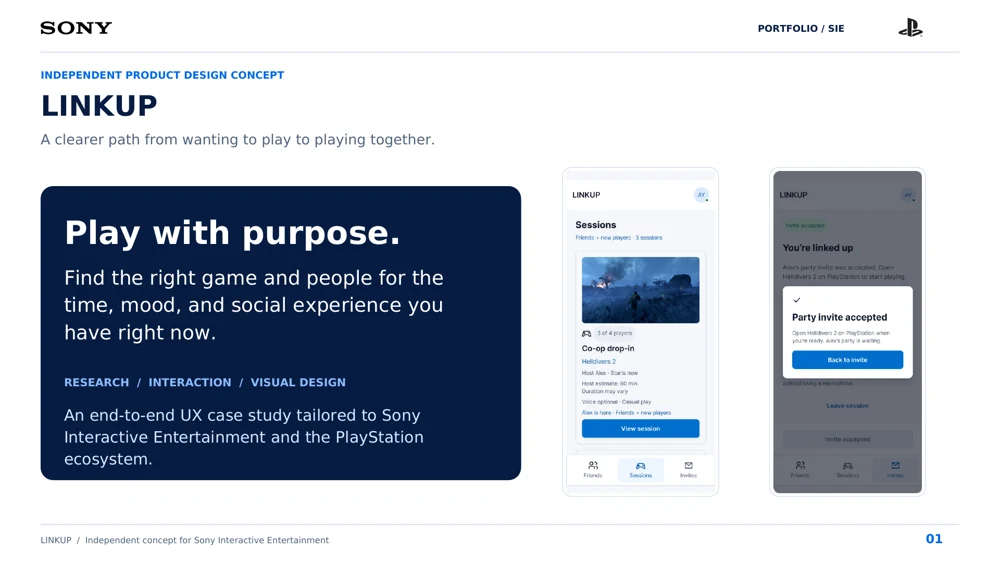
A PlayStation-oriented app concept helping players find the right game and group, evaluate session fit, and move confidently from joining to playing.
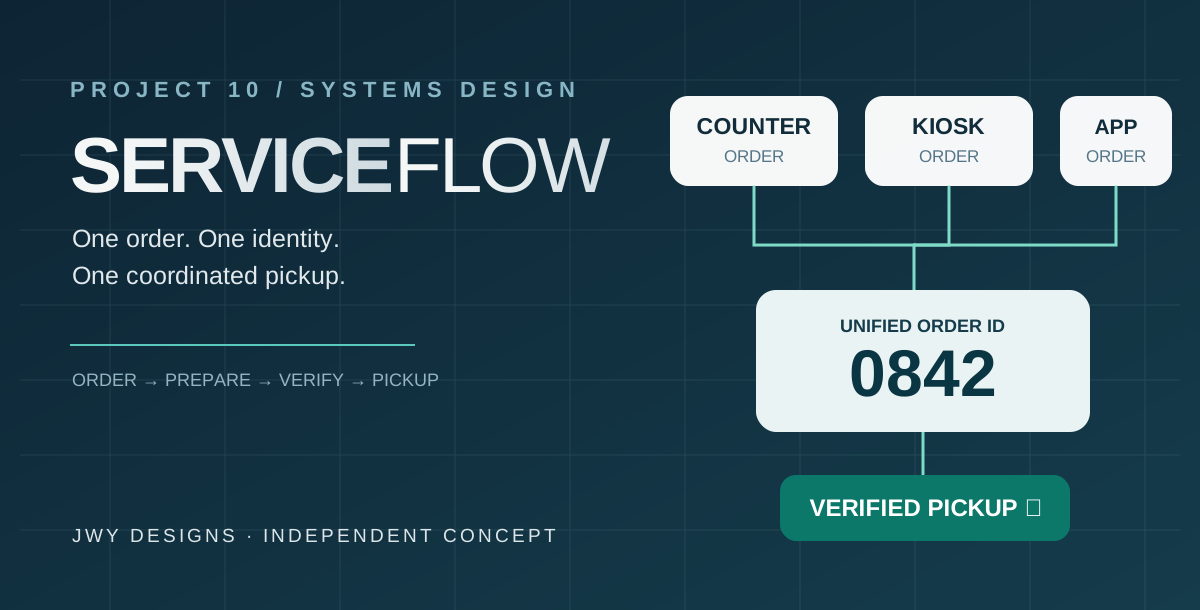
A research-led redesign of quick-service ordering, customer circulation, food and beverage fulfillment, and verified pickup.
Augmented Reality Assisted Social Matchmaking System
How can wearable guidance and augmented-reality cues help real people form better in-person connections?
GoKon reimagines social matchmaking as a guided, human-centered event experience. This rebuilt portfolio section highlights the system architecture, wearable devices, service journey, event environment and AR interface concepts using the latest visual boards.
Portfolio note: Project 01 has been rebuilt with updated concept visuals, and the cover image is now used as the main project thumbnail.
The challenge was not simply to create another dating application, but to bridge algorithmic compatibility with the uncertainty and nuance of meeting in person.
A pre-event profile captures values, interests, communication preferences, relationship goals and other compatibility factors.
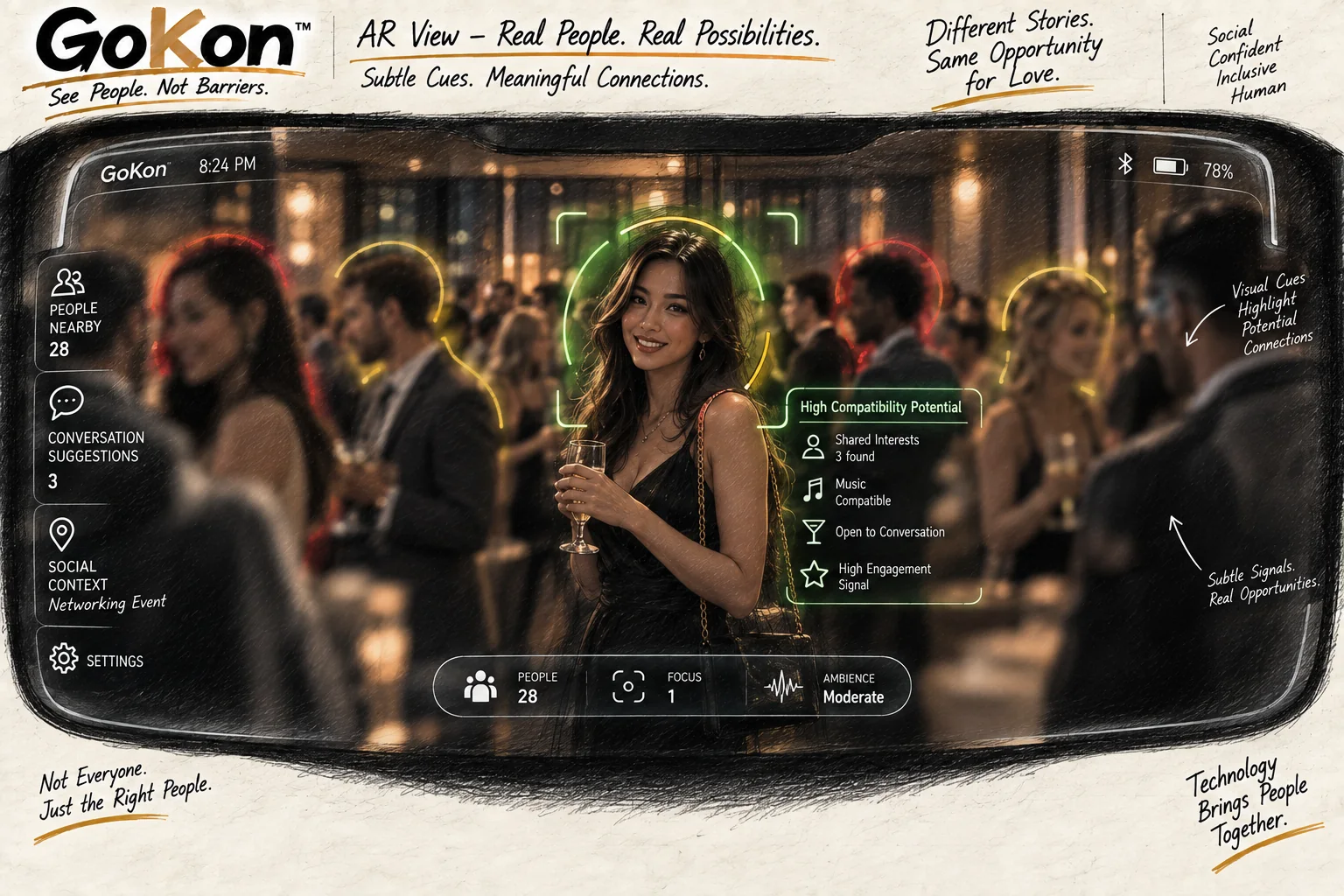
AR eyewear provides discreet compatibility cues and contextual information while keeping attention on the people in the room.
A wrist-worn haptic interface creates directional tactile cues toward stronger matches, reducing dependence on a phone screen.
Conversation assistance surfaces shared interests and potential topics, then reduces support as the interaction develops.
The service preserves the lower-pressure group dynamic of a traditional gokon while adding guided rotations and free socializing.
The concept includes temporary identities, consent-based information exchange and local event processing as privacy-oriented design principles.
Visual studies explore wearable form, augmented information, social proximity and how technology can remain secondary to face-to-face interaction.
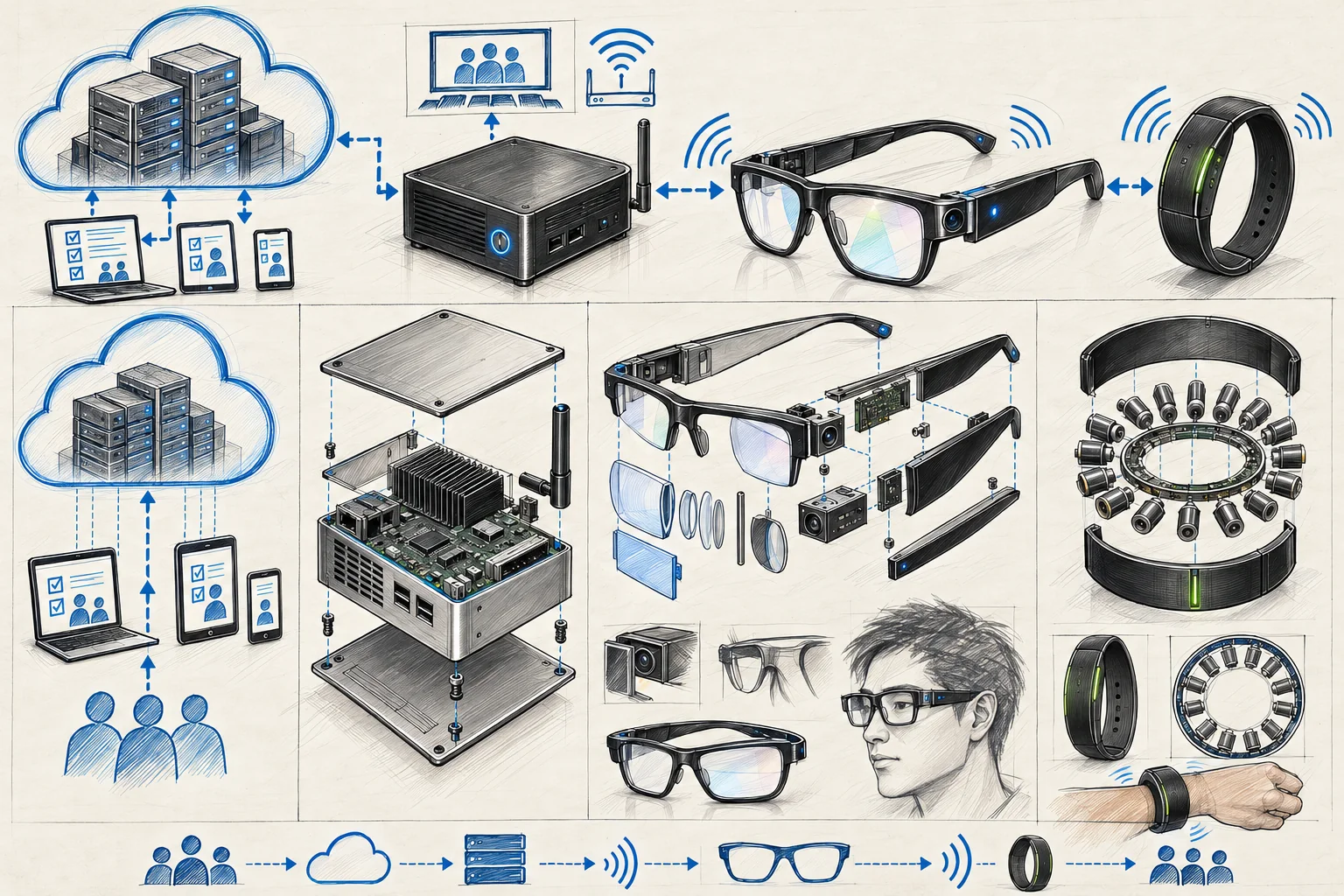
The latest GoKon boards are organized below to show the experience theme, the wearable ecosystem, the event journey and the conversation-assistance interface.
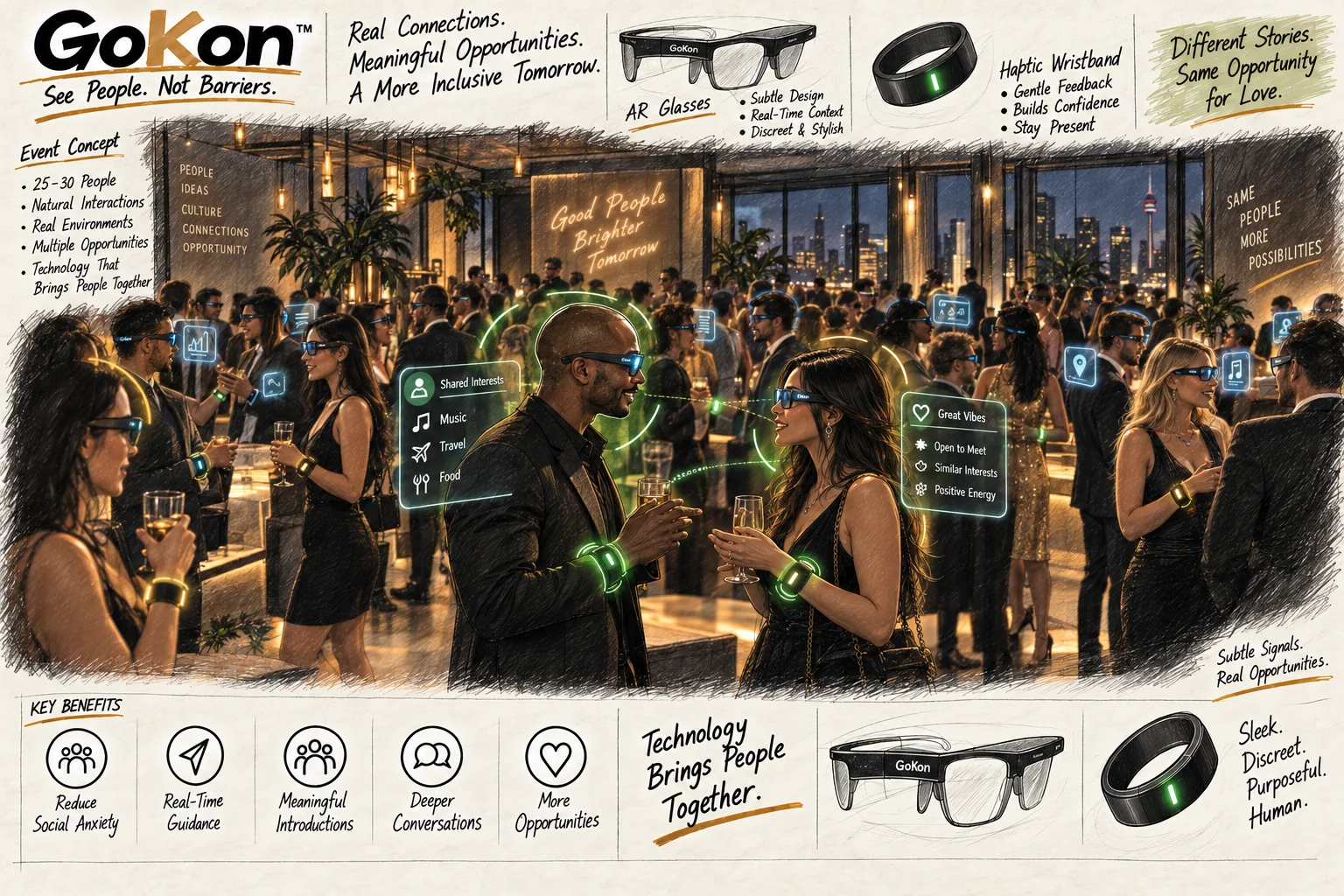
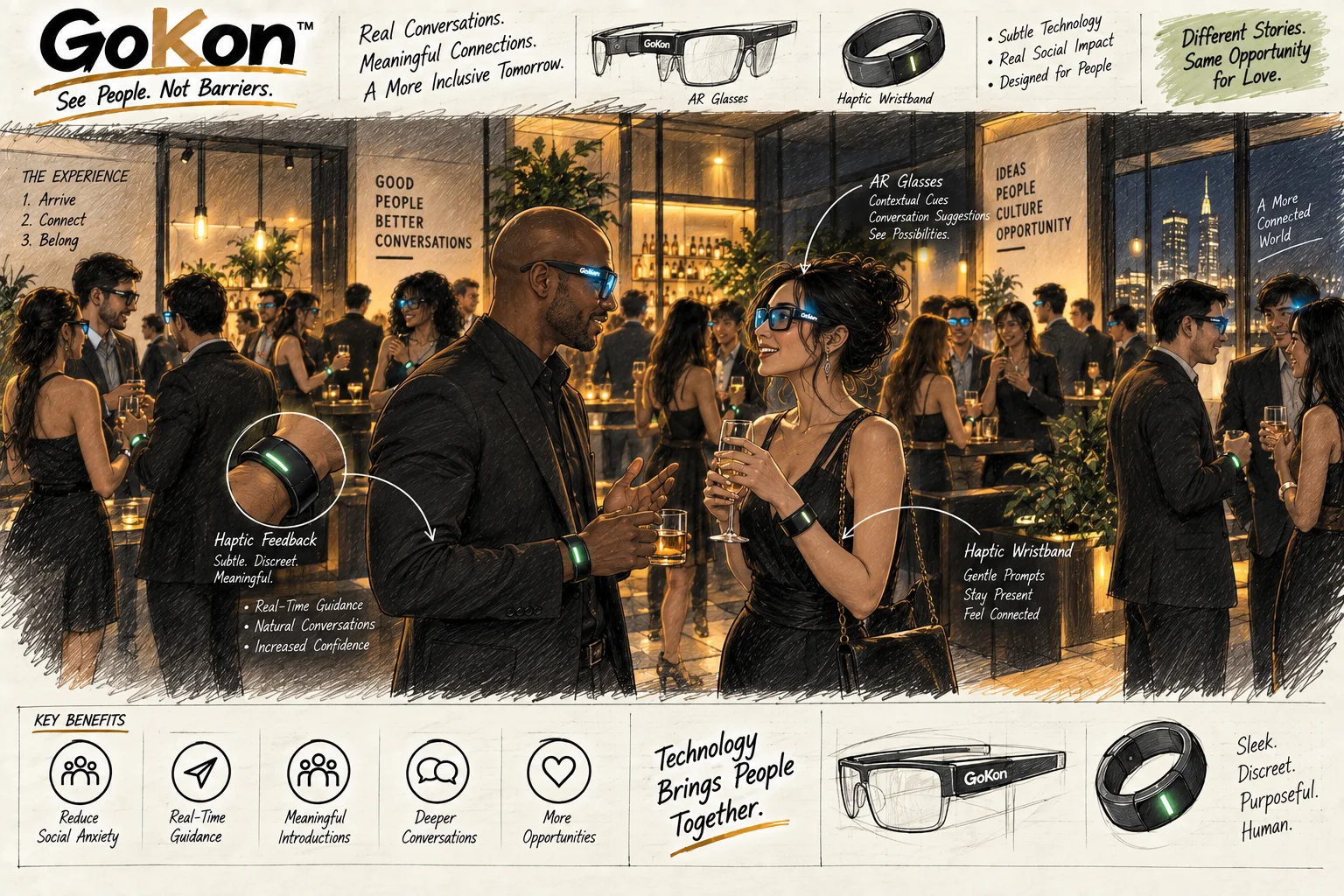
These boards communicate how the cloud service, edge device, AR glasses and haptic wristband work together as a coordinated experience system.
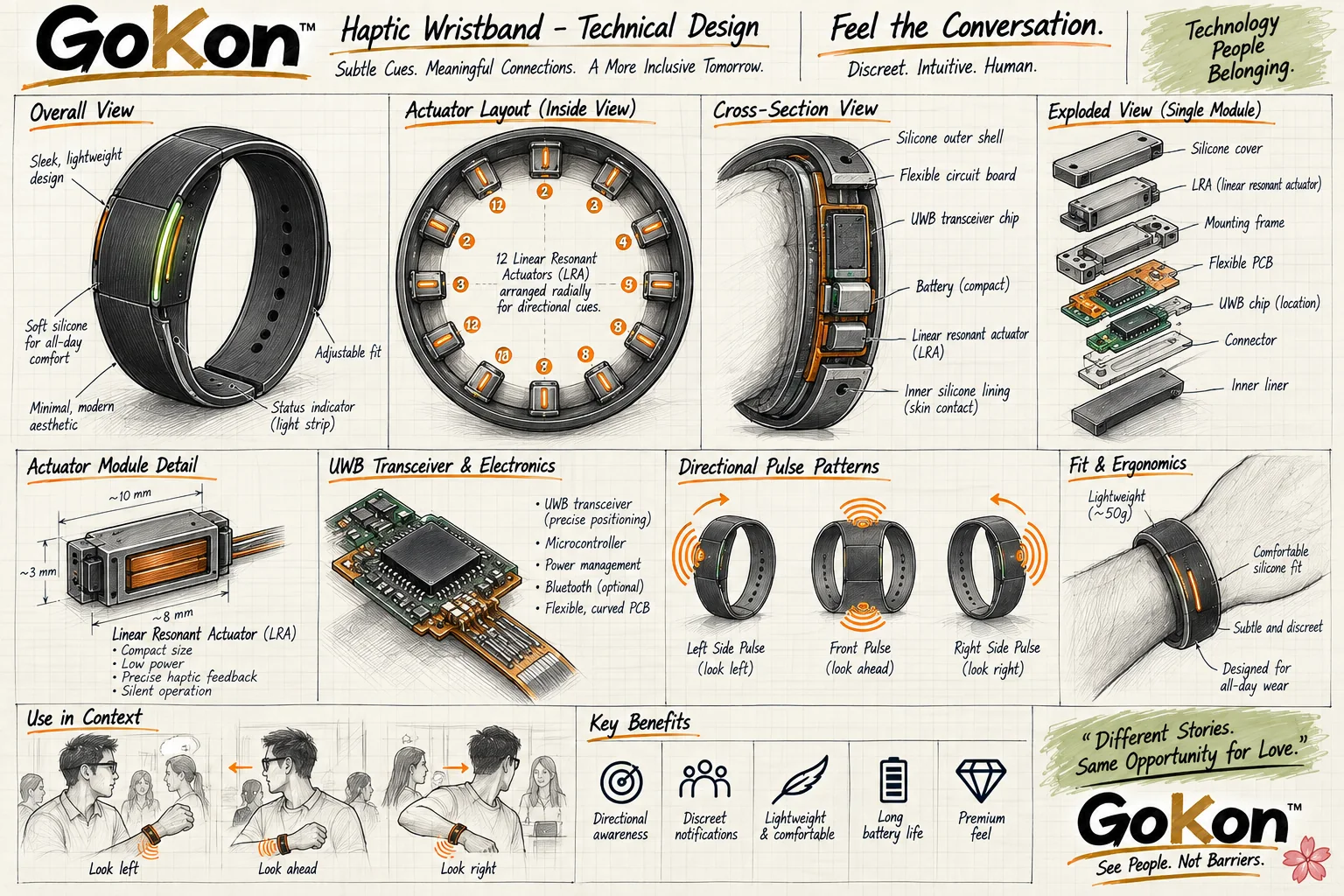
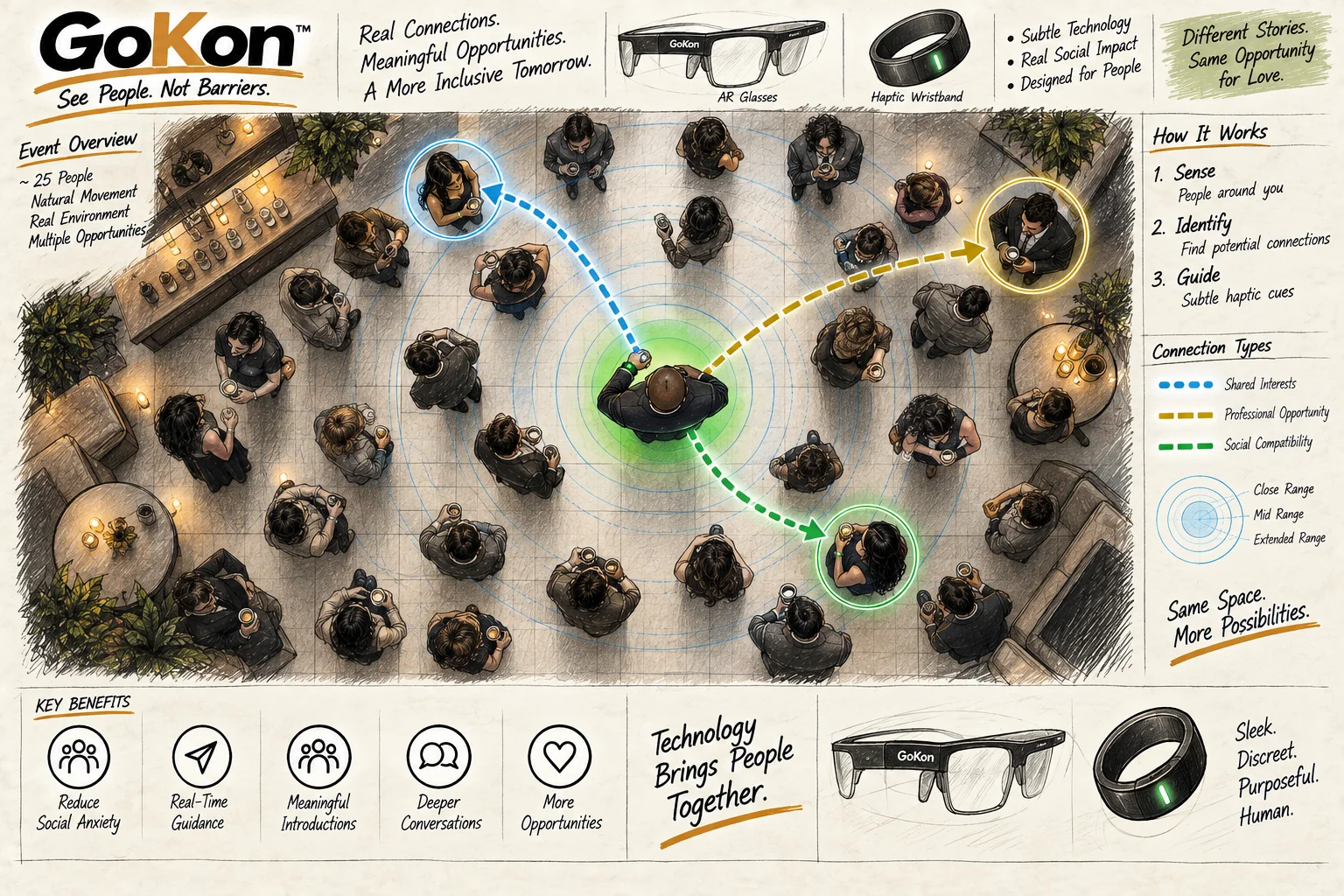
The journey boards show how GoKon moves from anticipation and location reveal into directional haptic guidance, subtle correction and meaningful in-person connection without overpowering the moment.
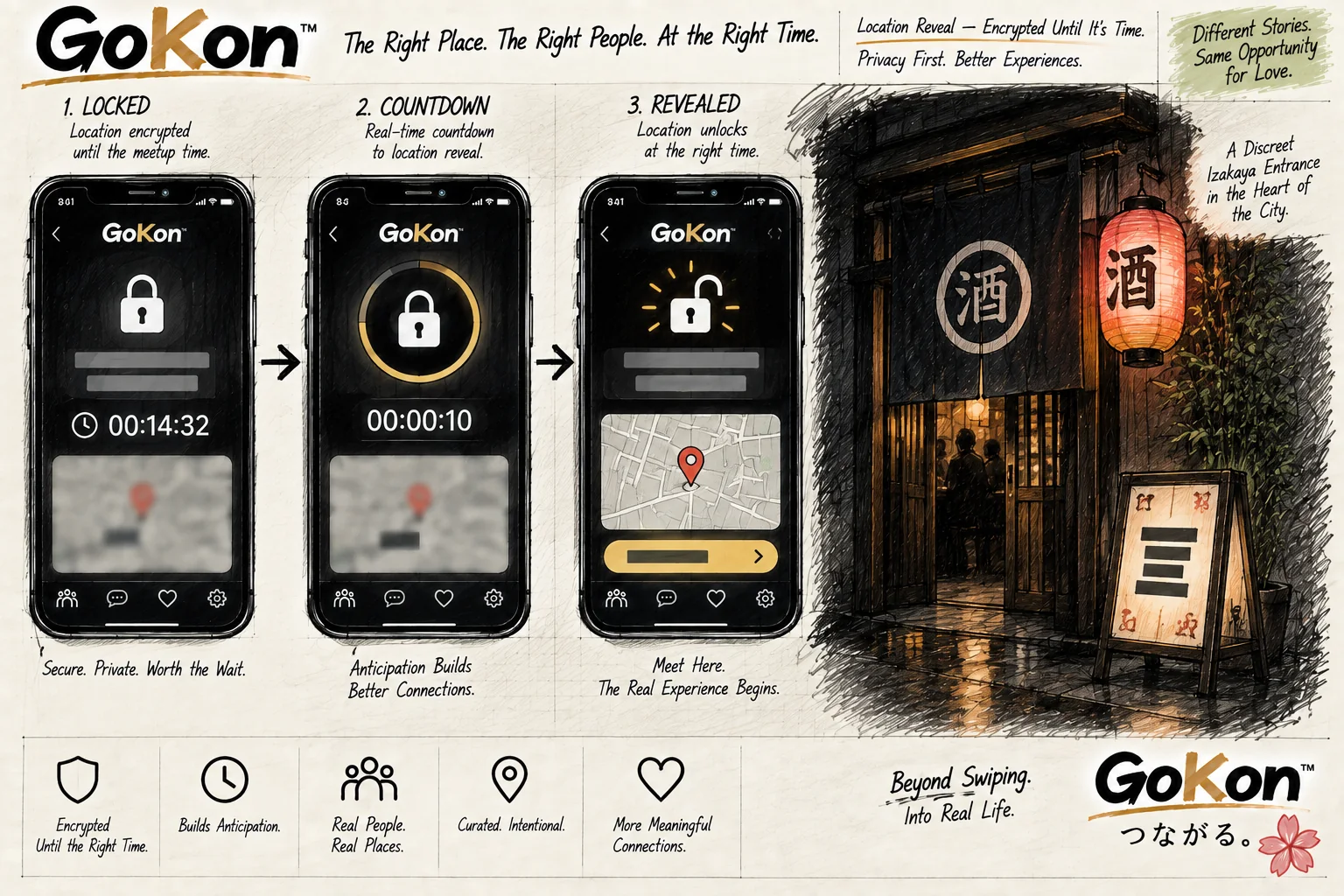
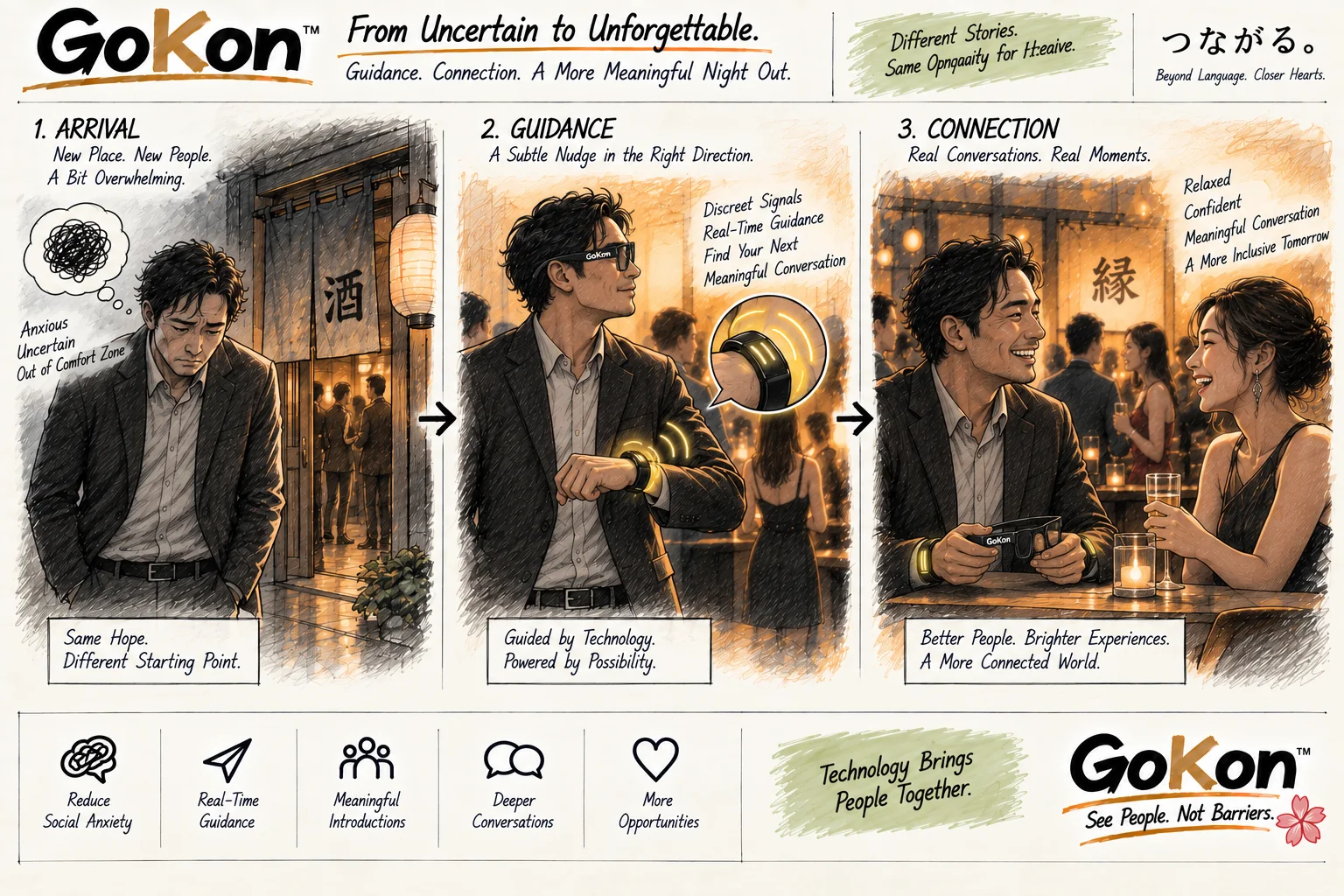
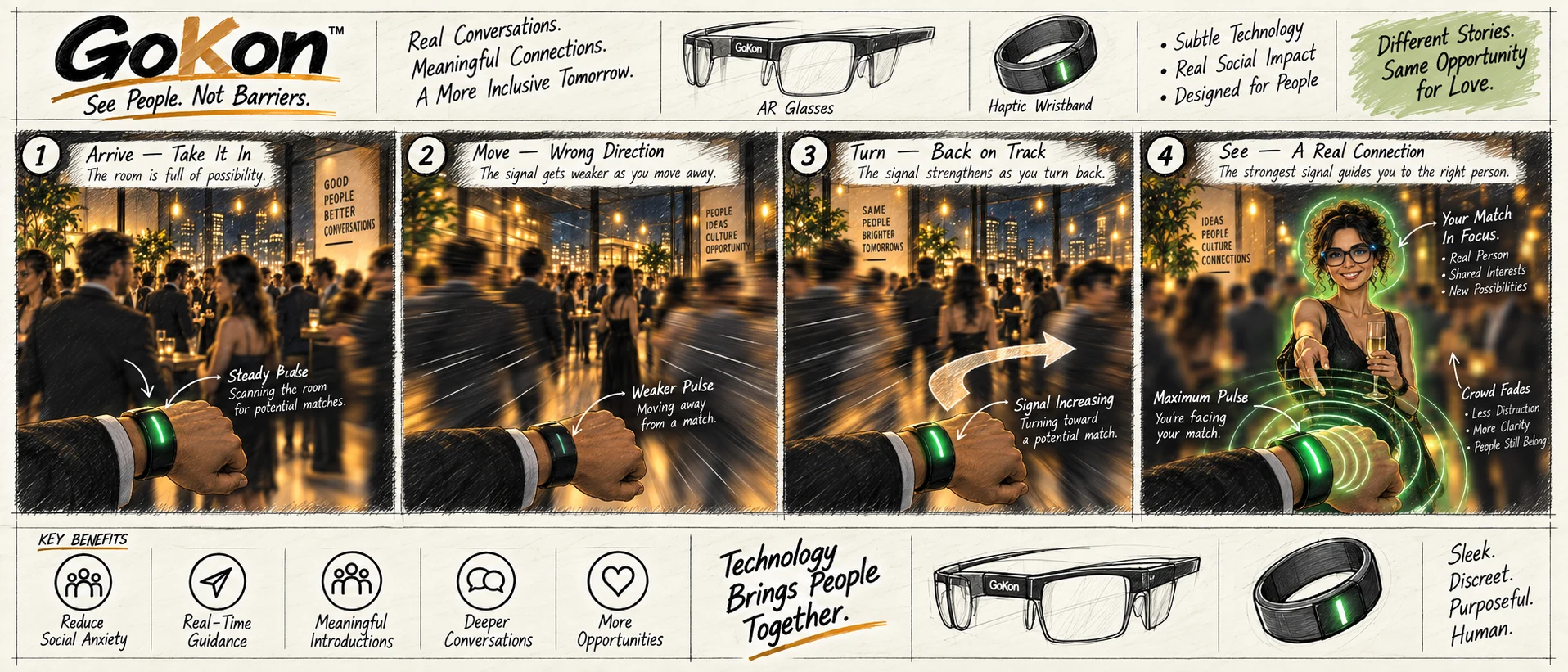
Nakama™ is conceived as a discreet AR scaffolding system that supports face-to-face conversation with contextual prompts while keeping the user's attention on the person in front of them.
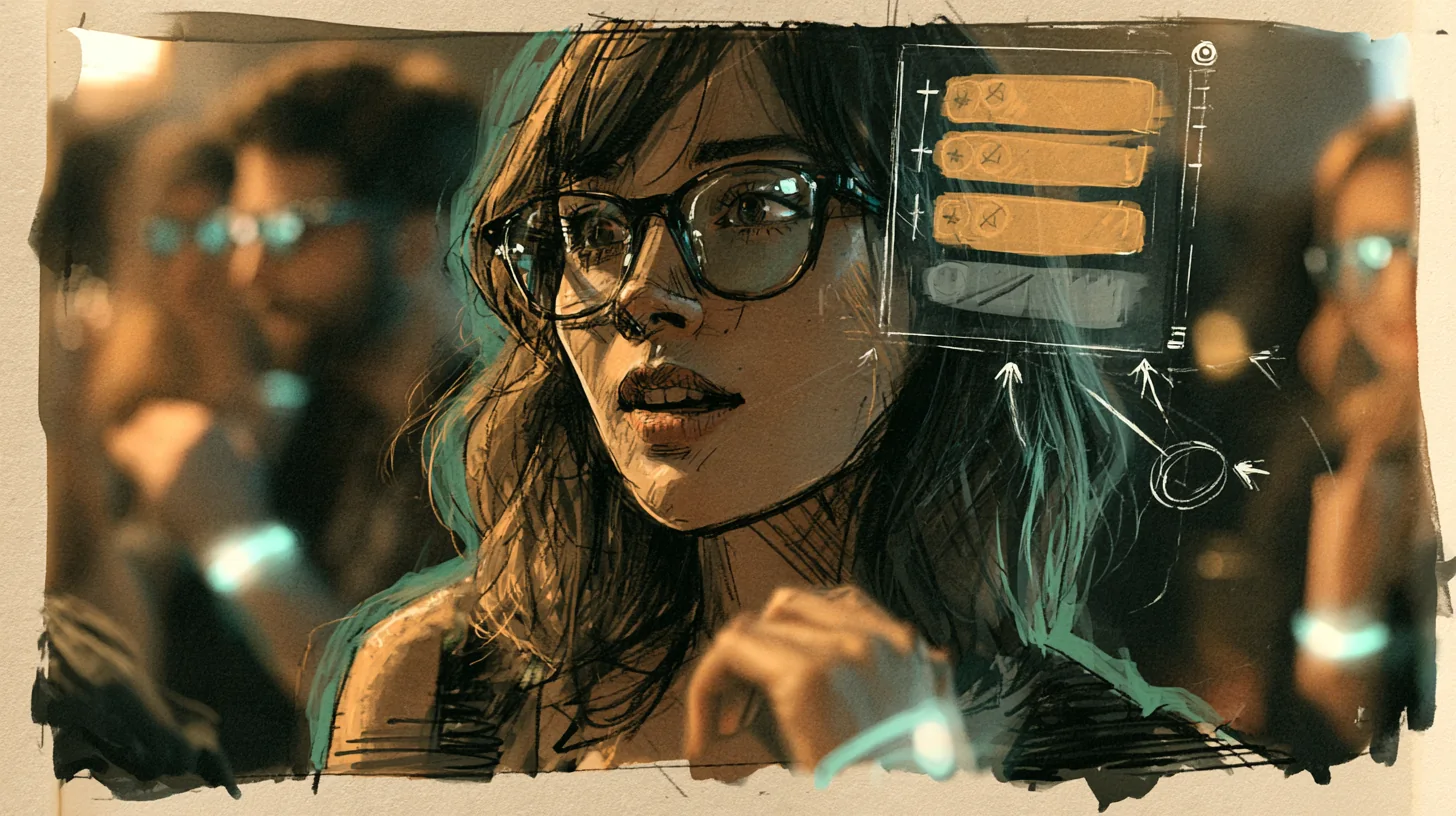
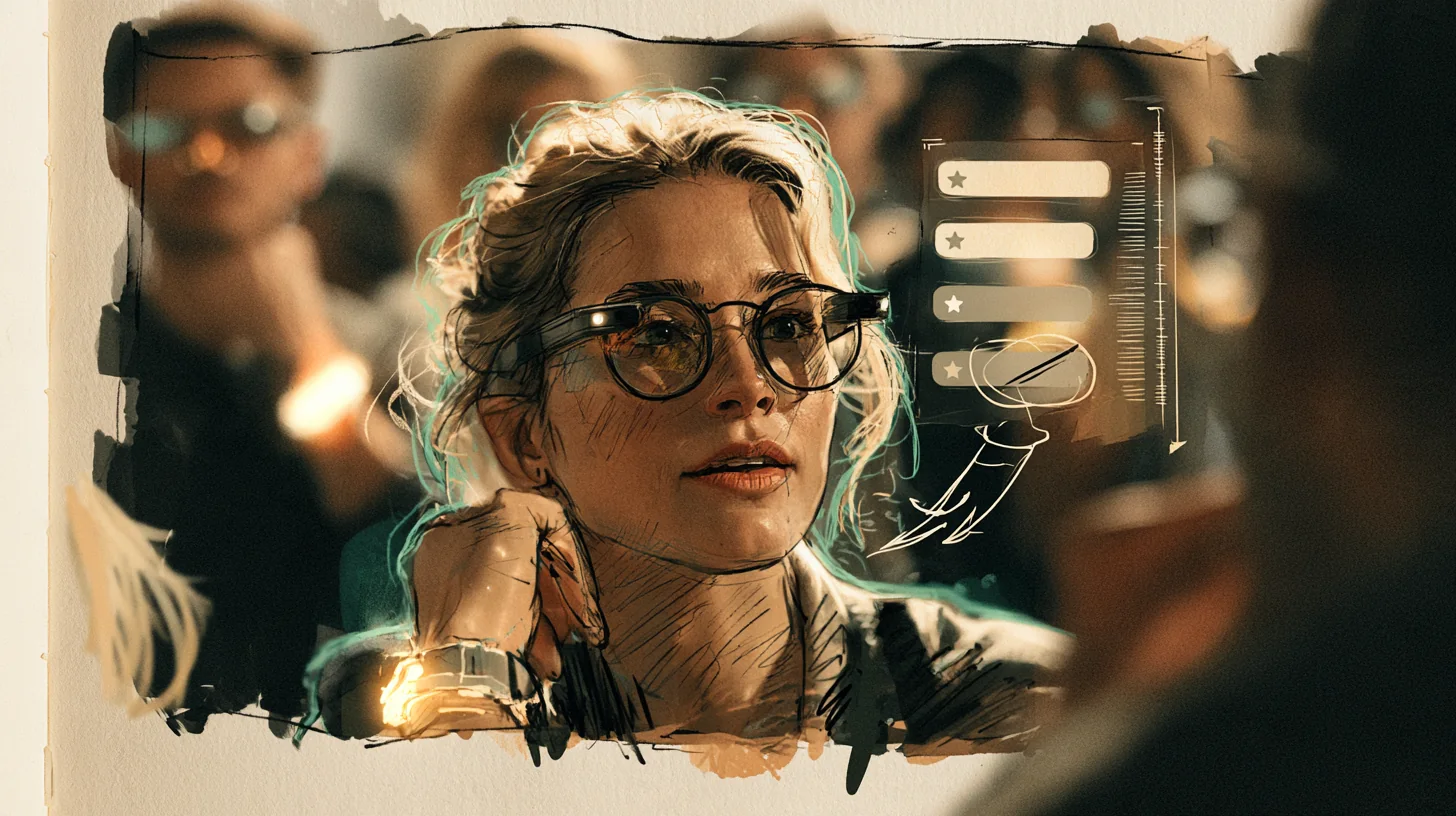
Relevant prompts can appear without requiring the user to break eye contact and consult a phone.
The system is designed to move from accessible conversation starters toward deeper shared topics as interaction develops.
The interface supports the conversation rather than becoming the conversation, allowing the social connection to remain central.
Profile intelligence informs event matching, wearables guide discovery, and the physical encounter remains the center of the experience.
GoKon explores how physical products, digital intelligence and human behavior can work together as a coordinated experience.
Compatibility cues selectively direct attention instead of presenting every person and every data point with equal emphasis.
Prompts act as temporary social scaffolding—enough assistance to begin an interaction without replacing authentic conversation.
Directional tactile feedback explores a less visually demanding way to navigate social information in a physical environment.
Innovation Strategy · Inclusive Cinema Accessibility
How might theaters make captions, dialogue support and language access feel personal, discreet and integrated into the moviegoing experience?
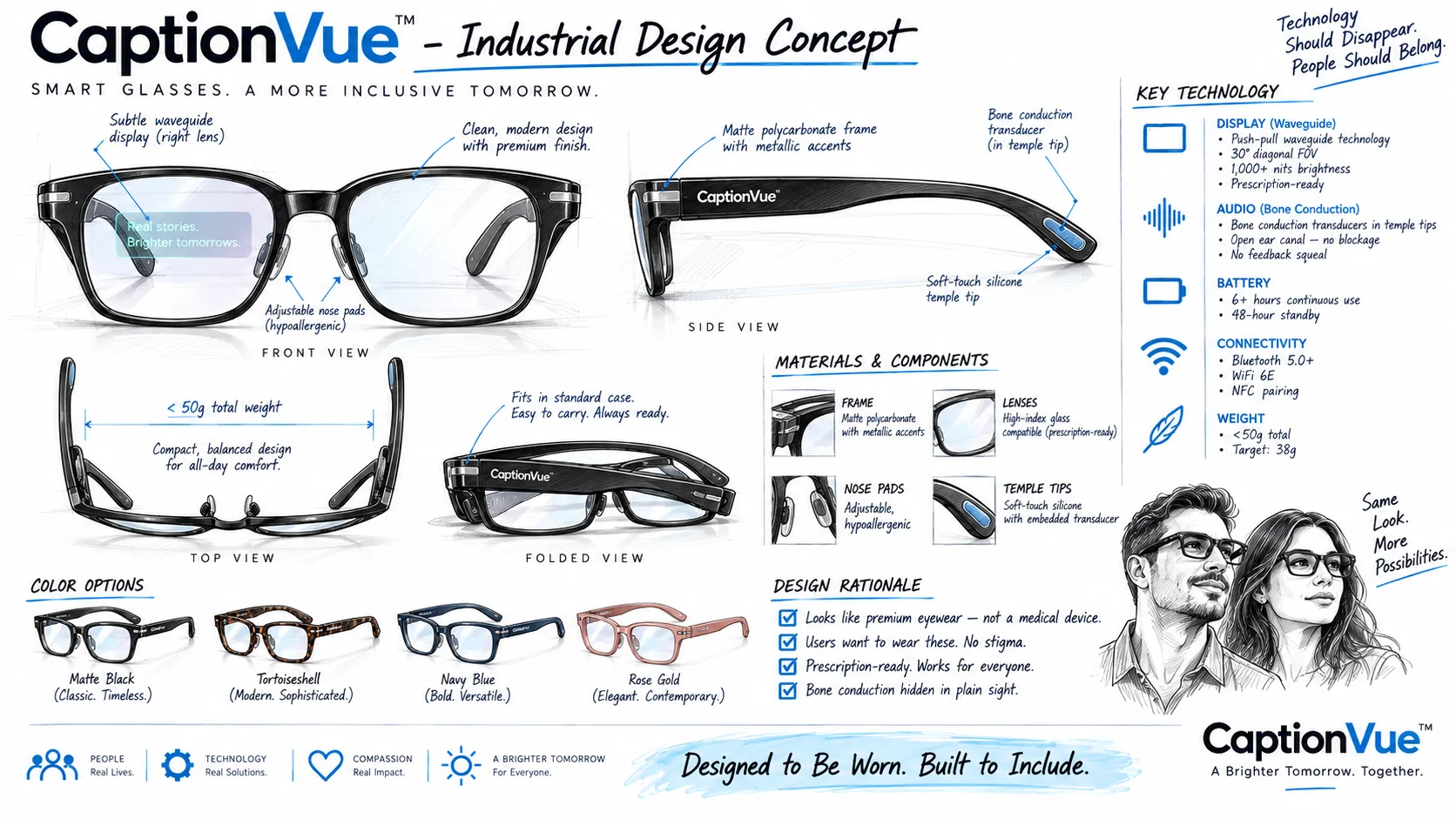
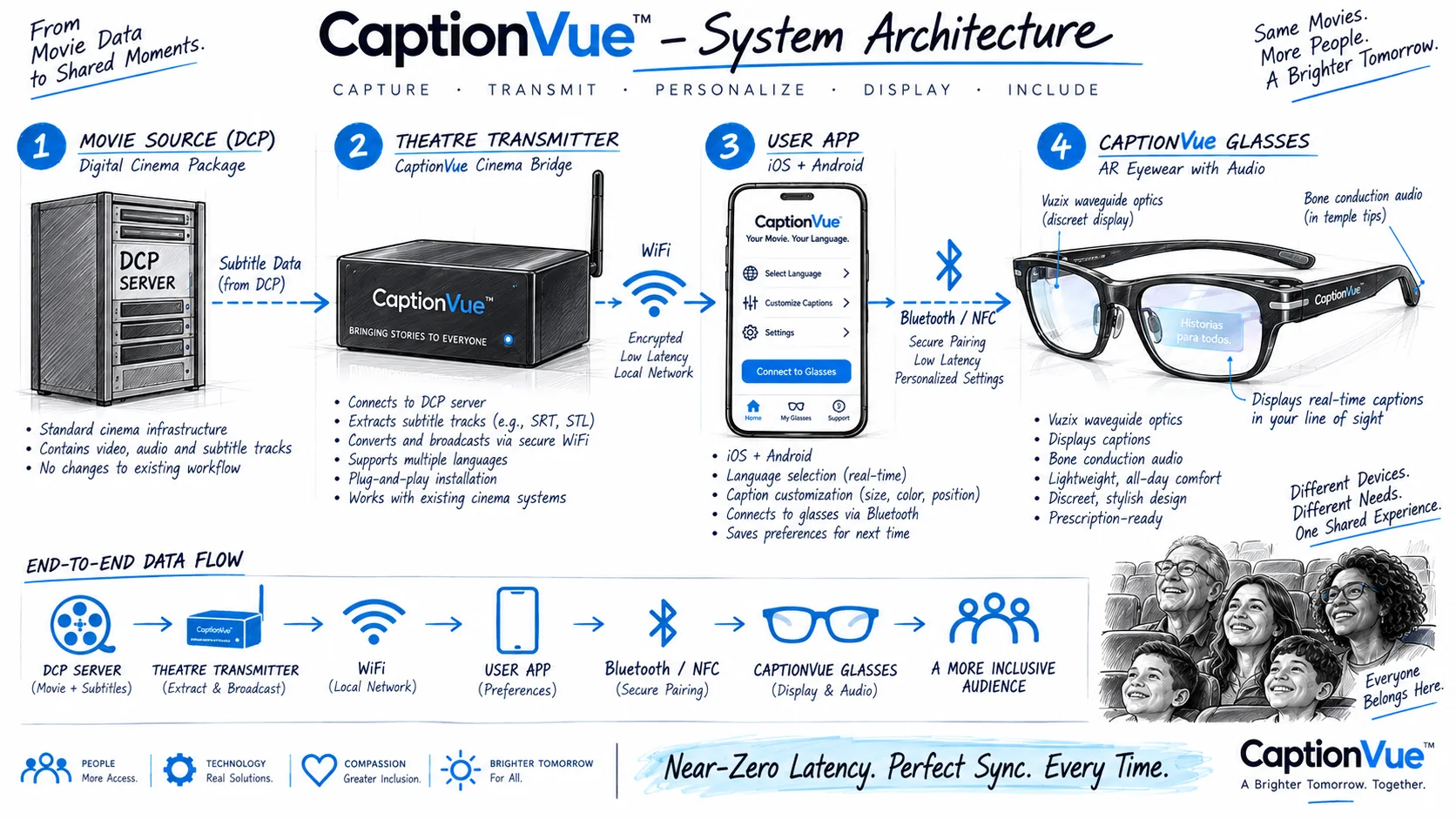
CaptionVue is a cinema-accessibility concept built around three coordinated elements: a theater transmitter, lightweight prescription-compatible AR eyewear, and a mobile app for language and caption preferences. The strategy expands accessibility beyond a single use case by considering Deaf and hard-of-hearing patrons, seniors with age-related hearing challenges, and multilingual audiences.
Portfolio note: CaptionVue is presented as an independent innovation concept. Hardware specifications shown in the design work are design targets; no hardware manufacturer or technology partner is represented or implied.
Existing theater captioning approaches can obstruct sightlines, feel stigmatizing, limit seating flexibility or solve only one accessibility need. CaptionVue reframes the challenge around dignity, choice and shared experience.
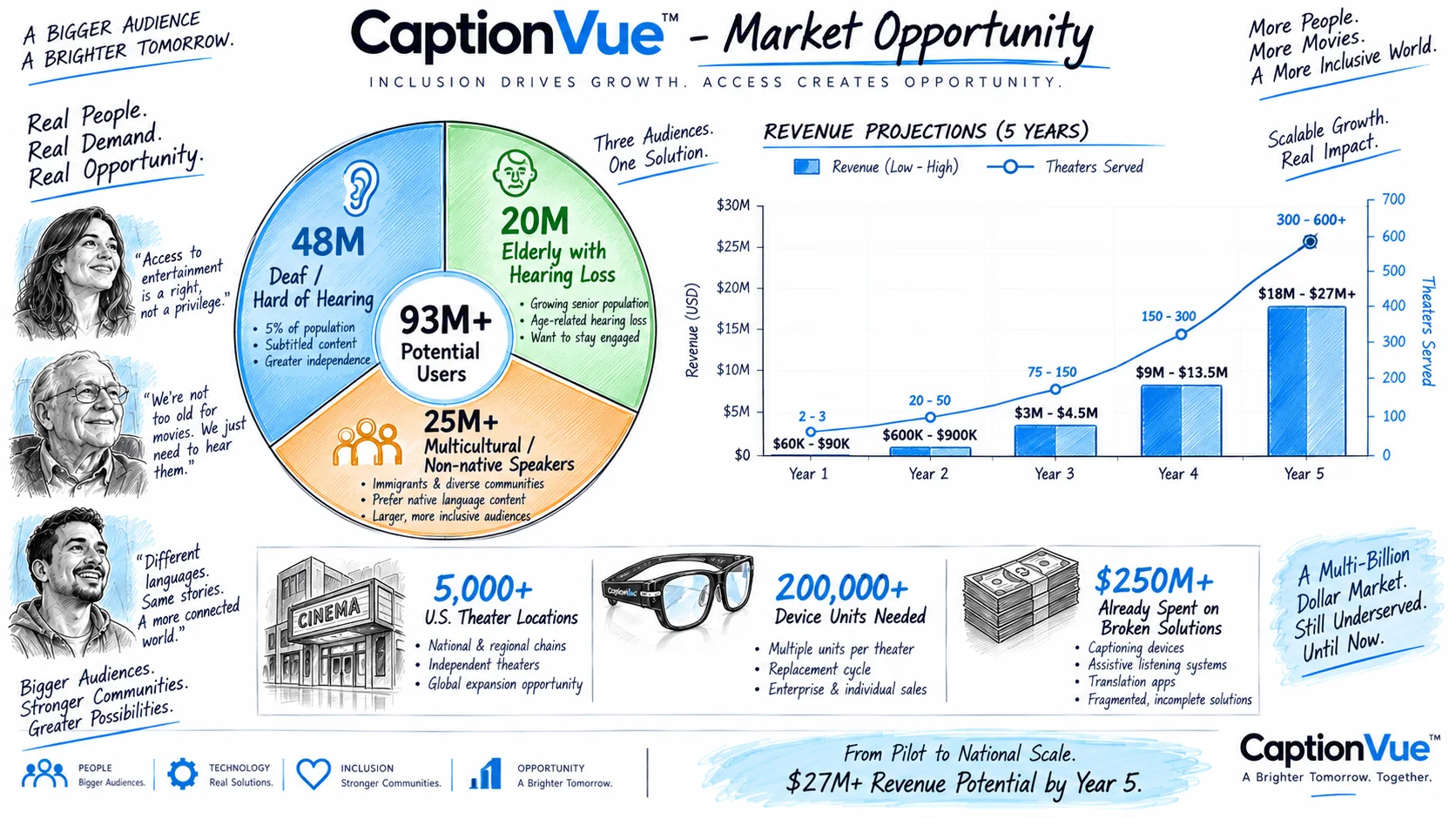
The concept explores a common system for Deaf and hard-of-hearing patrons, older moviegoers who struggle with dialogue clarity, and multilingual families who want to enjoy theatrical releases together.
Rather than treating accessibility only as compliance equipment, the project investigates how inclusive design can become a better customer experience, a differentiated theater service and a platform for broader audience participation.
Human pain points were translated into an innovation opportunity and a clear market position.
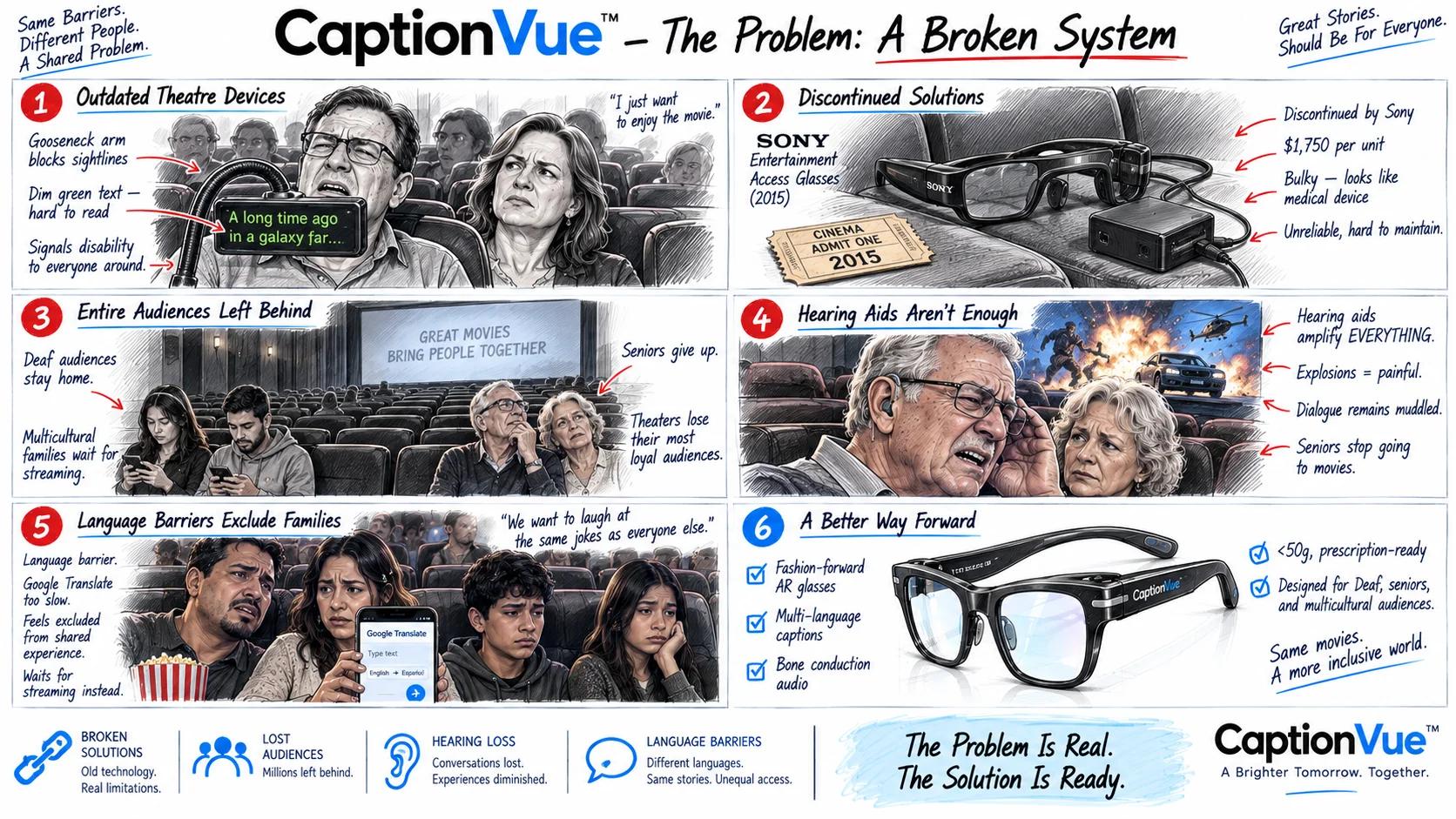
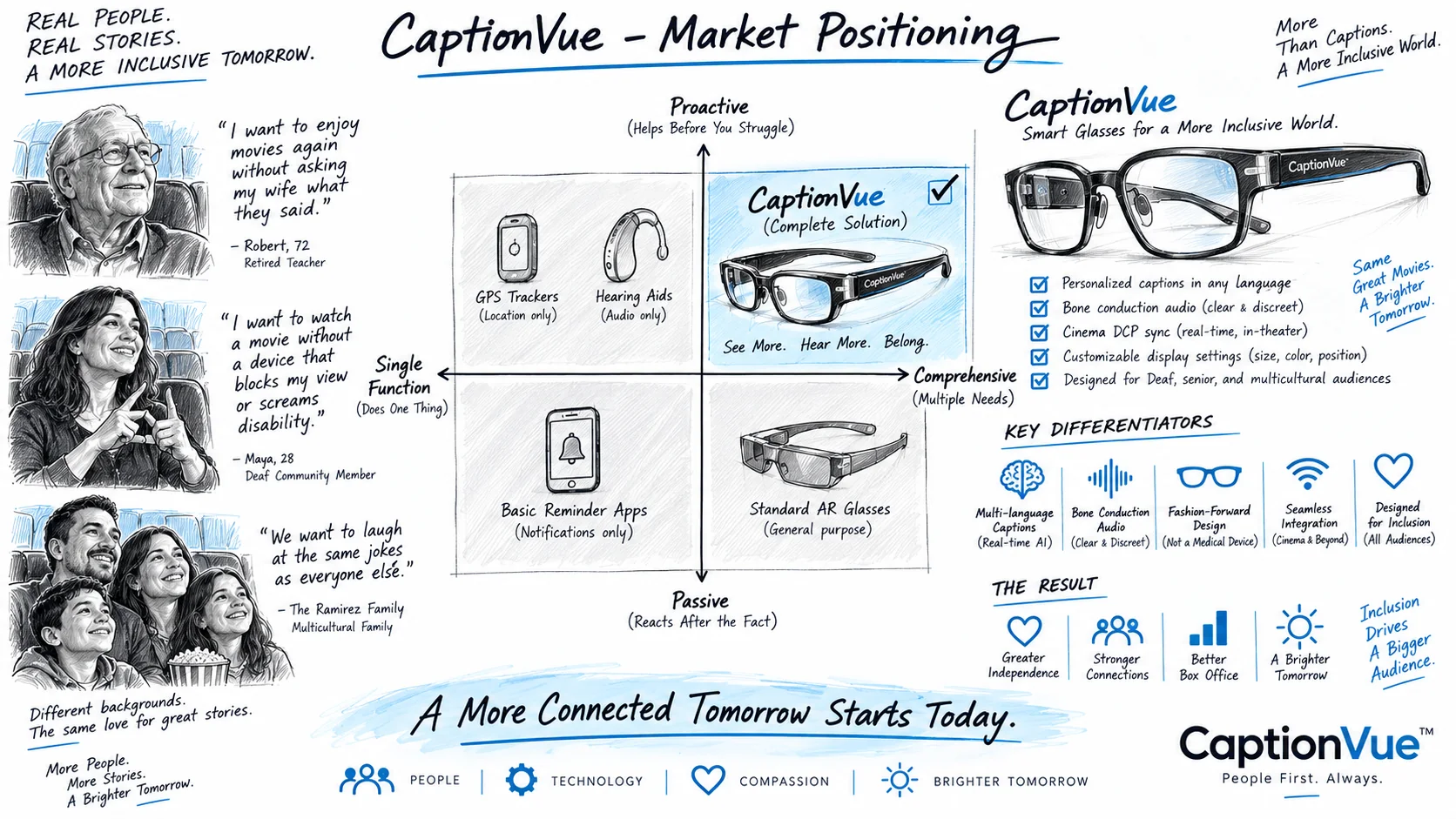
The experience connects arrival, preference setup, secure pairing, shared viewing and return.
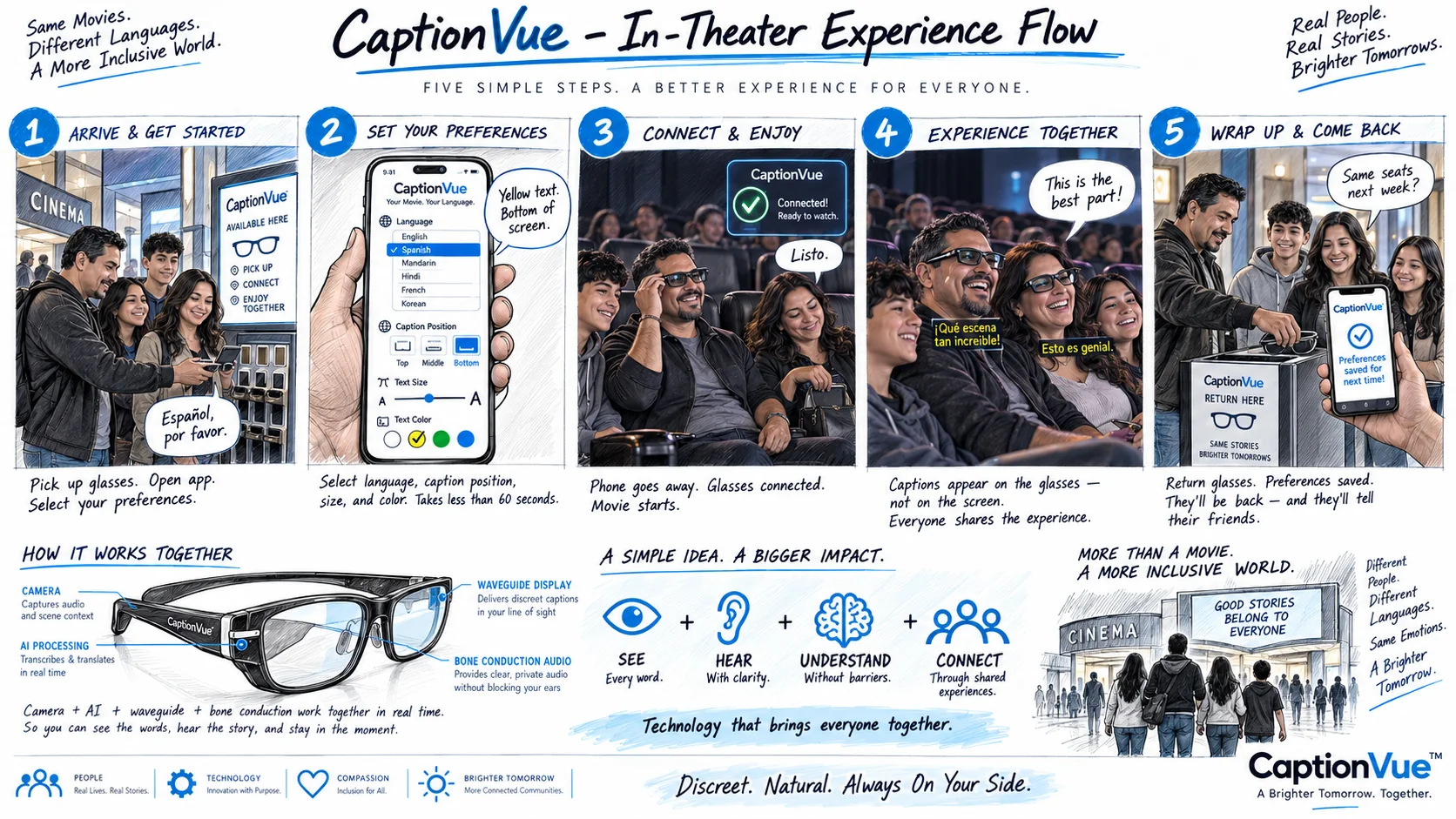
A technology-neutral architecture links cinema content, a theater transmitter, the user app and CaptionVue eyewear.
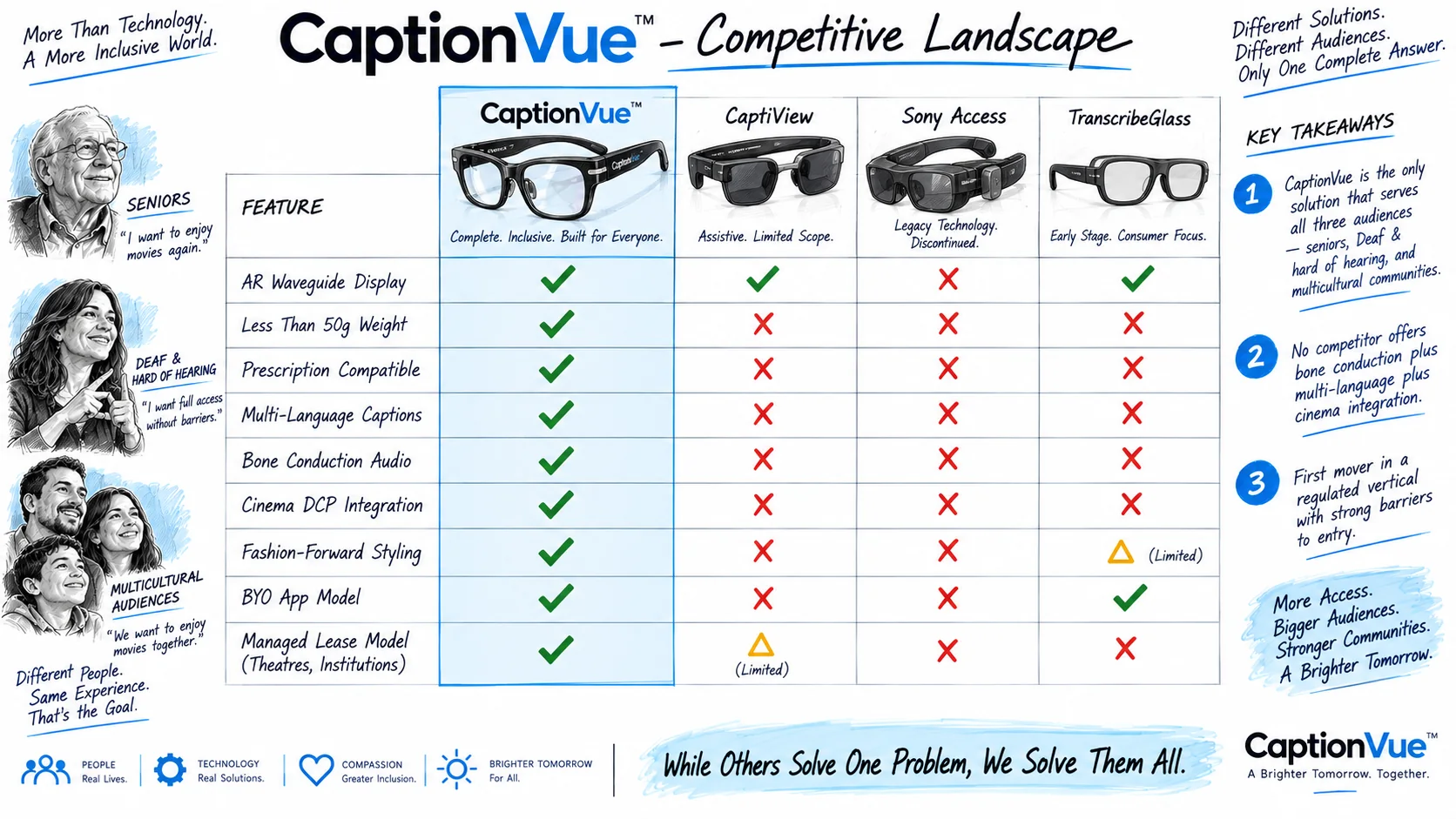
The concept considers managed theater deployment and user-owned experiences, creating a service model around the product ecosystem.
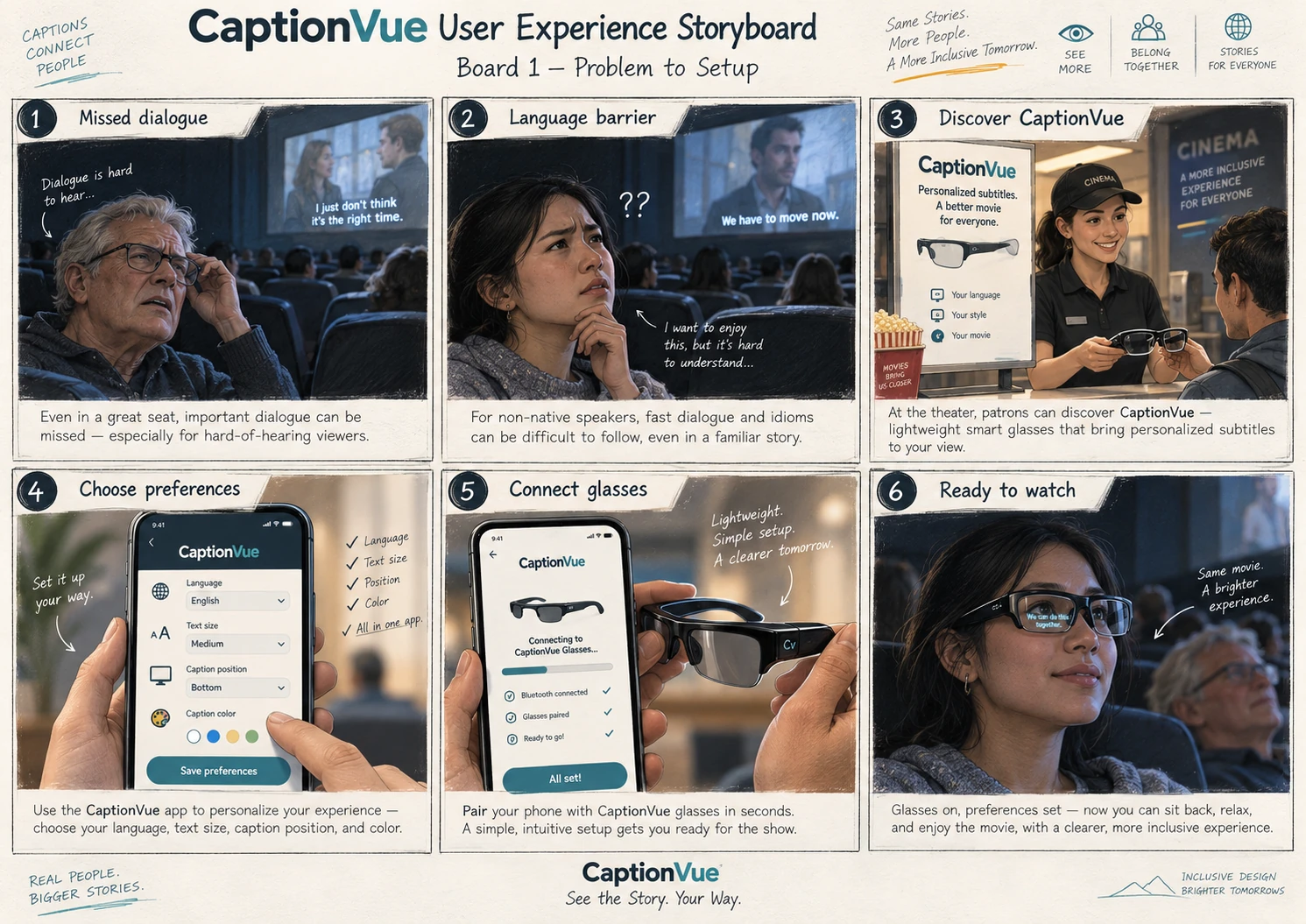
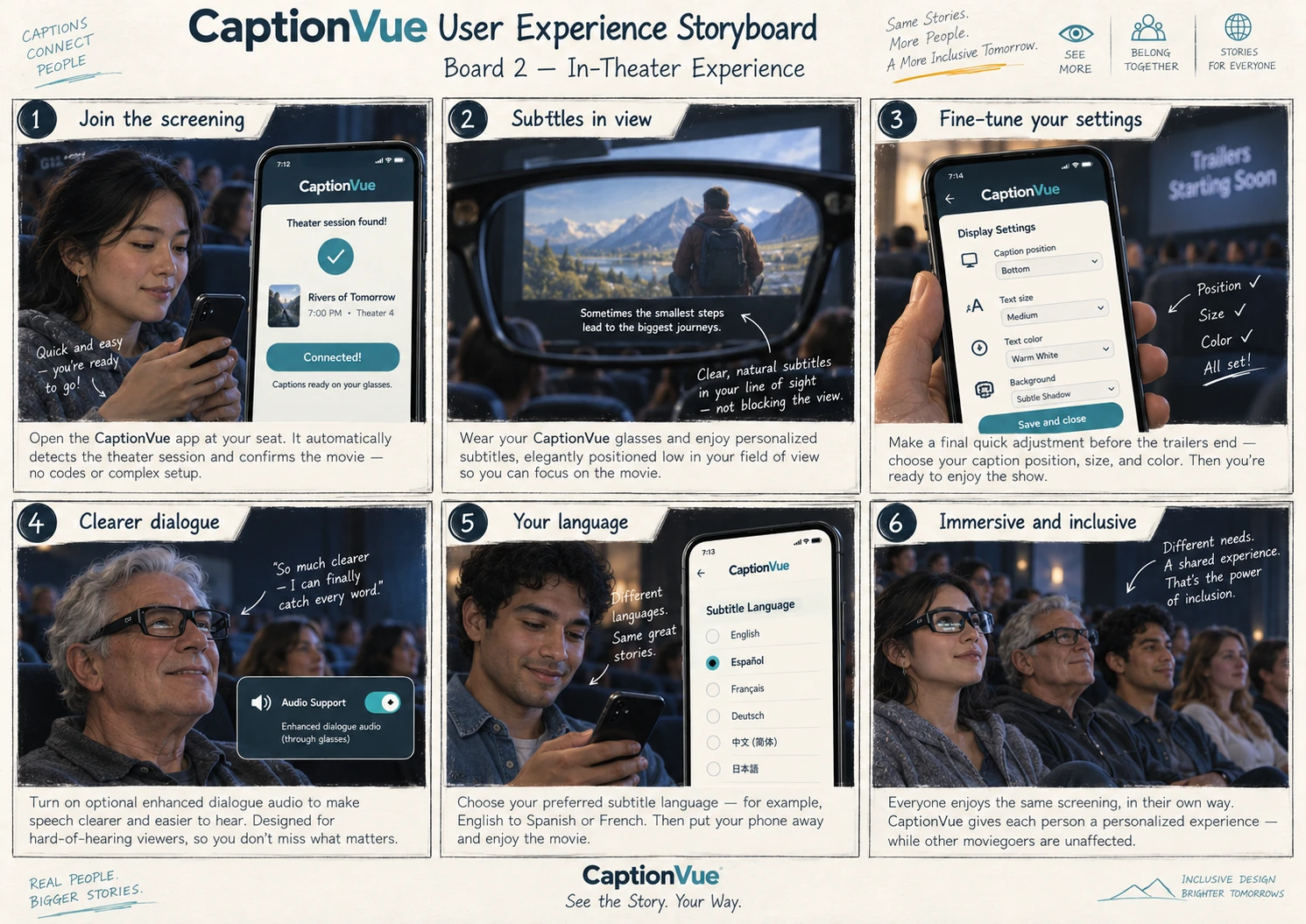
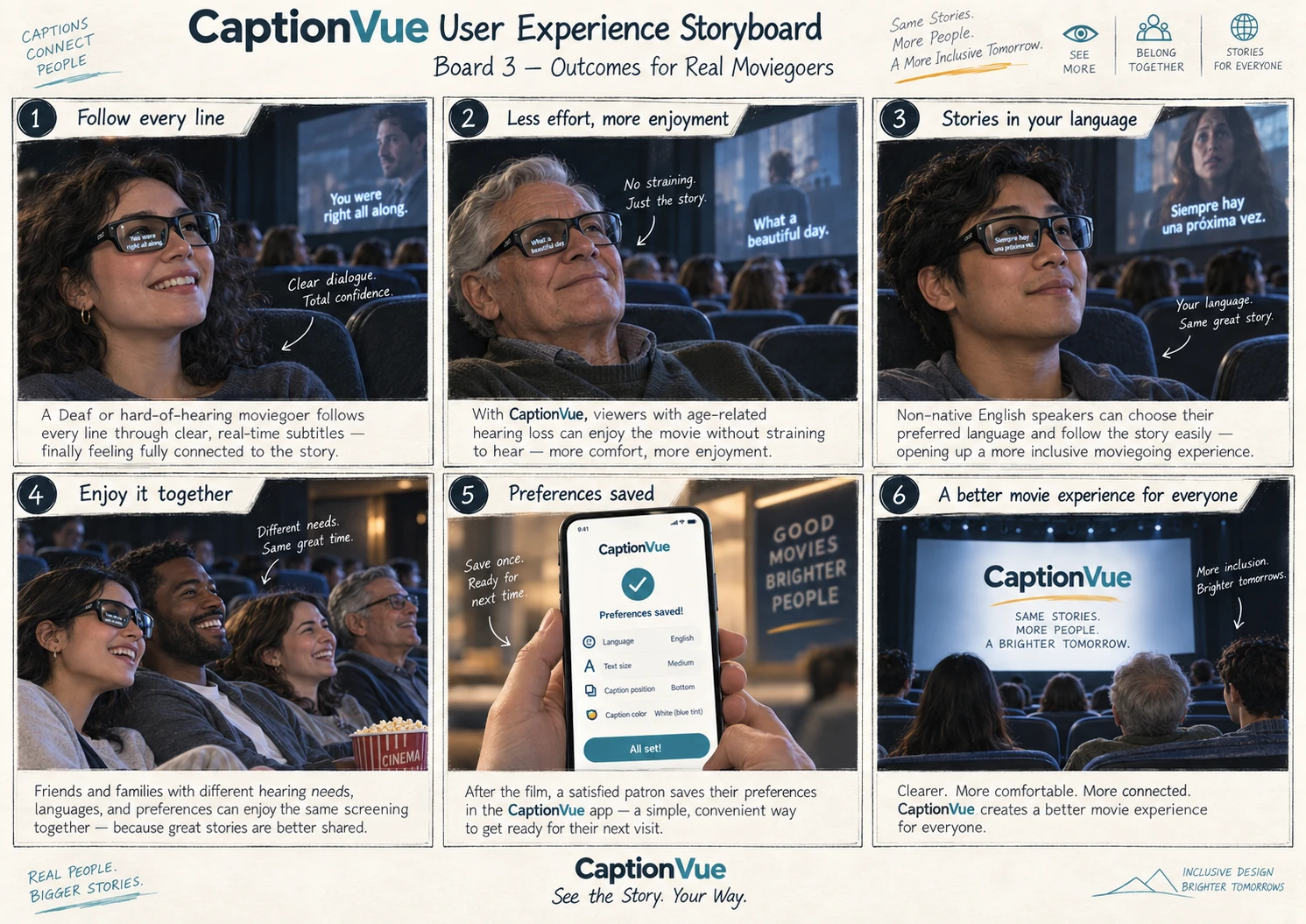
Three storyboard boards walk through the CaptionVue software journey from the initial accessibility problem, to app-based setup, to in-theater personalization and the resulting inclusive movie experience.
Together, these boards show the complete user flow: first discovering CaptionVue and setting preferences in the app, then connecting the glasses and adjusting captions in the theater, and finally experiencing the benefits through clearer dialogue, language choice, shared viewing, and saved preferences for future visits.
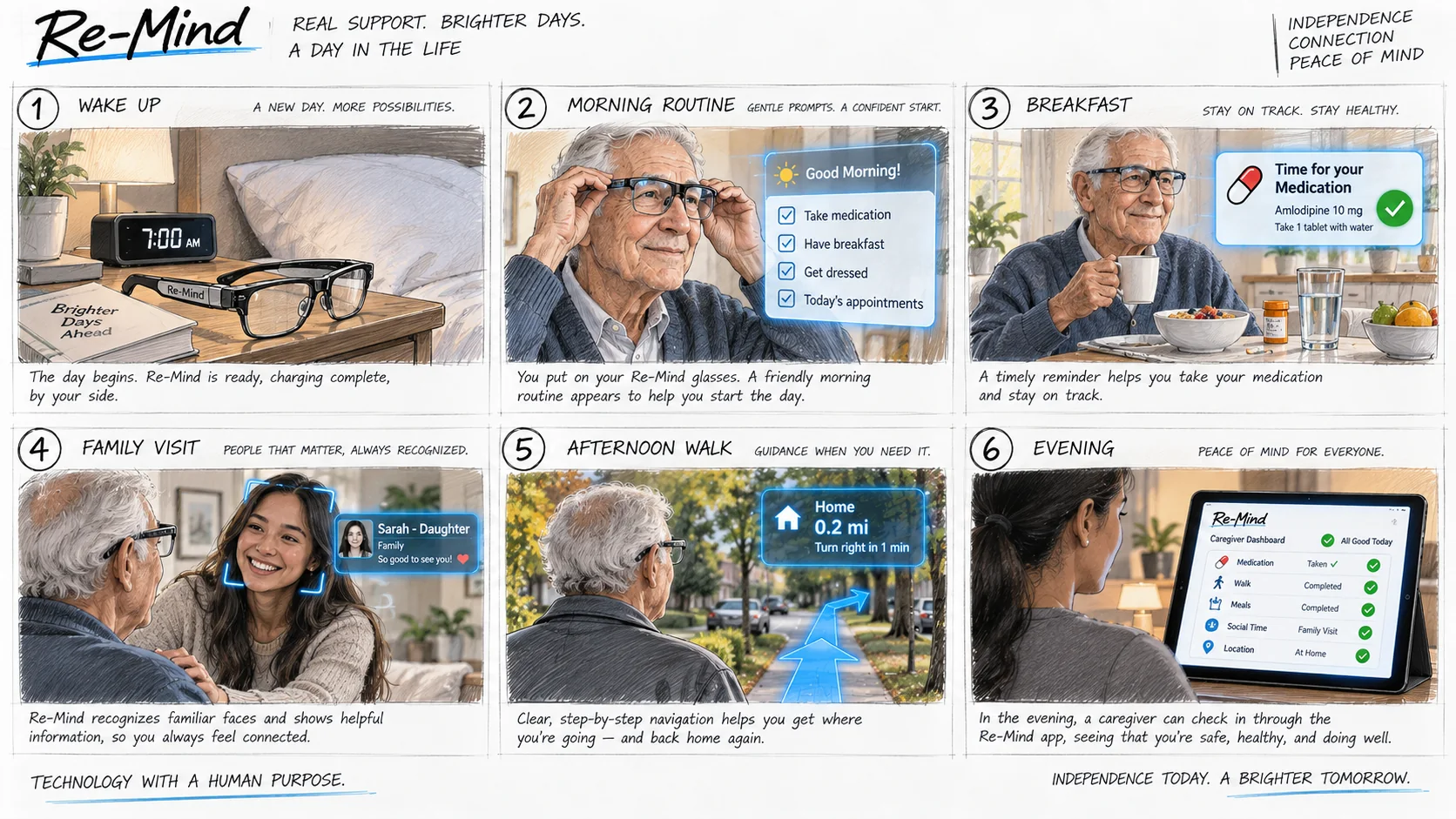
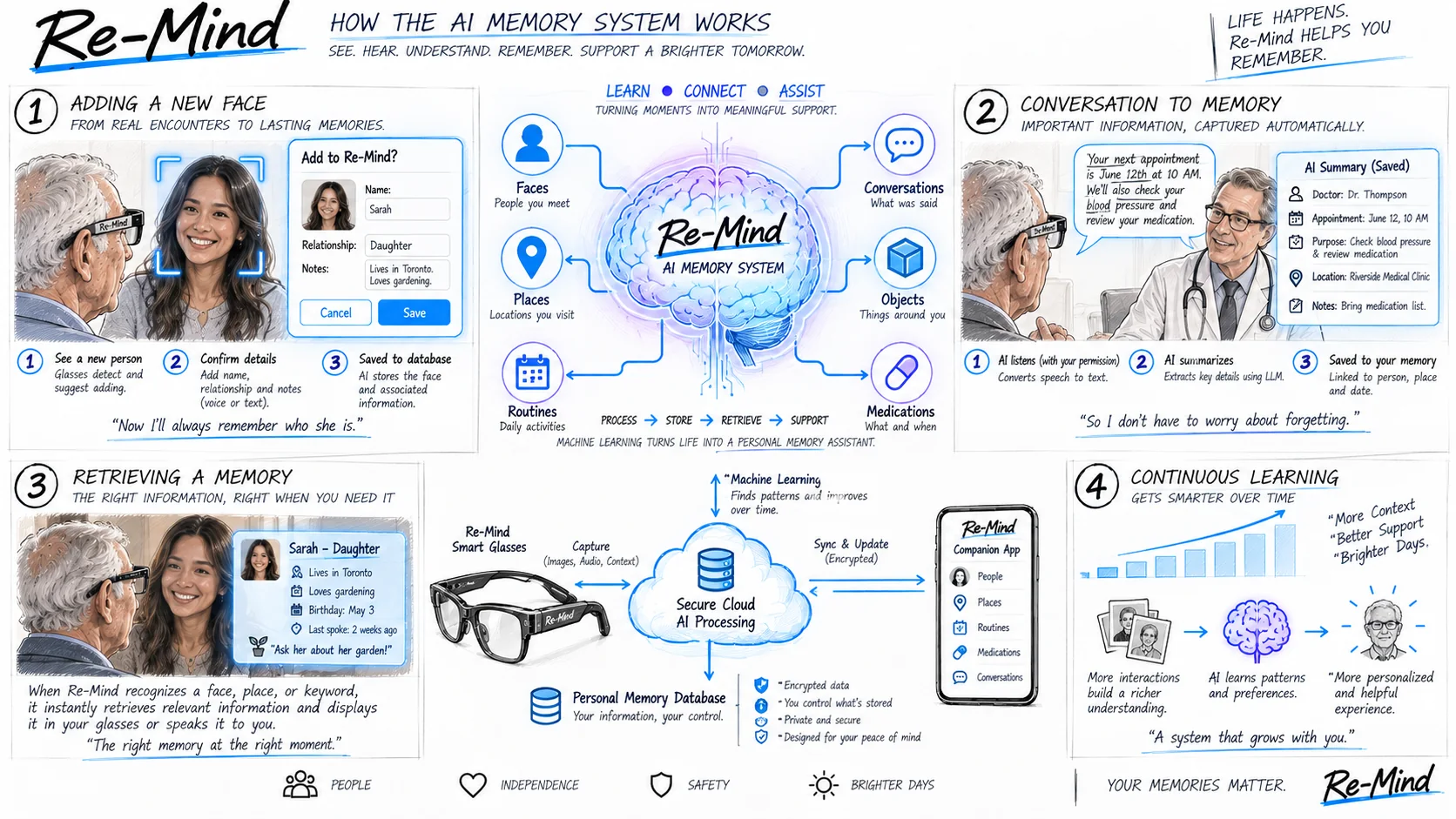
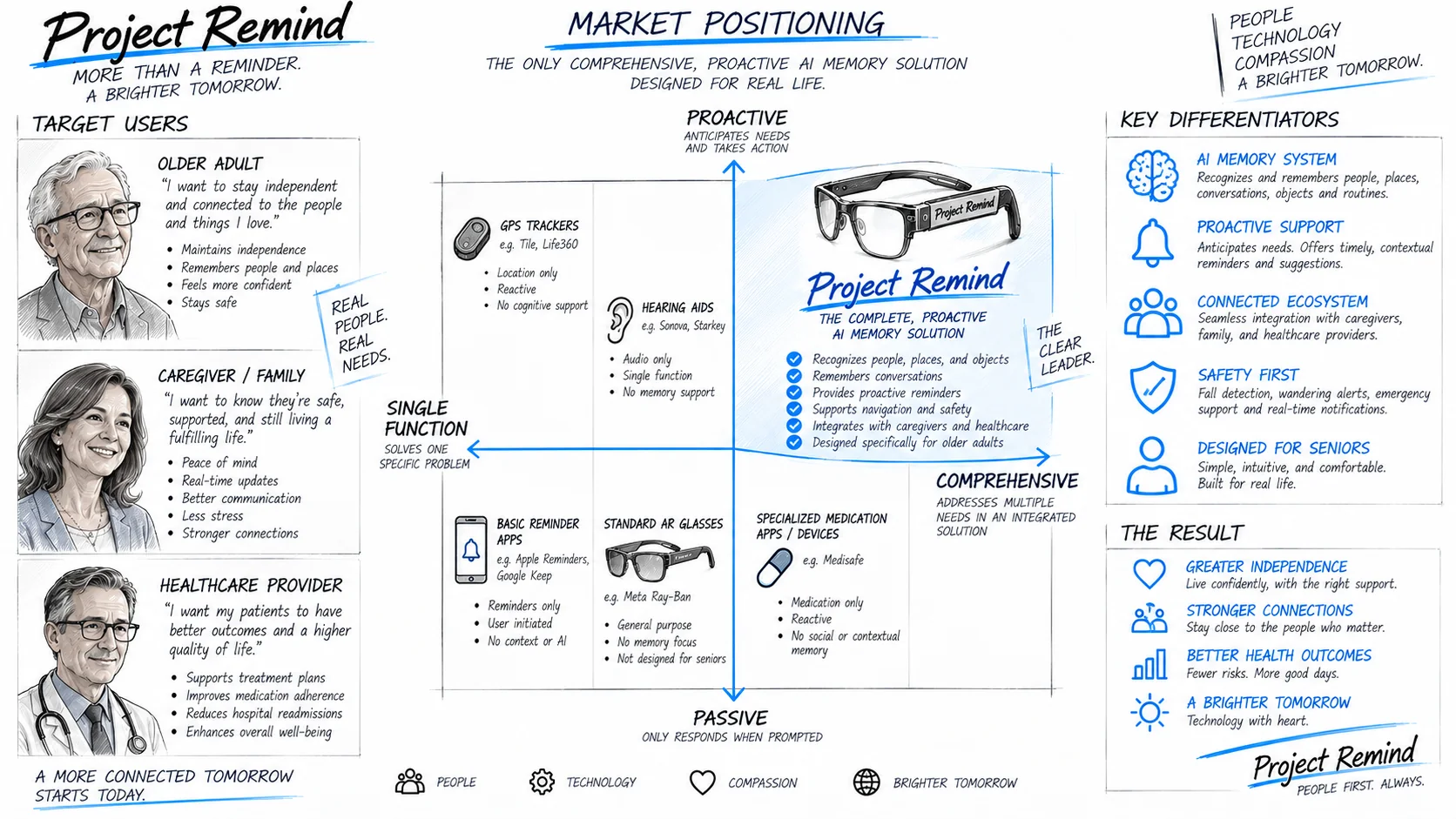
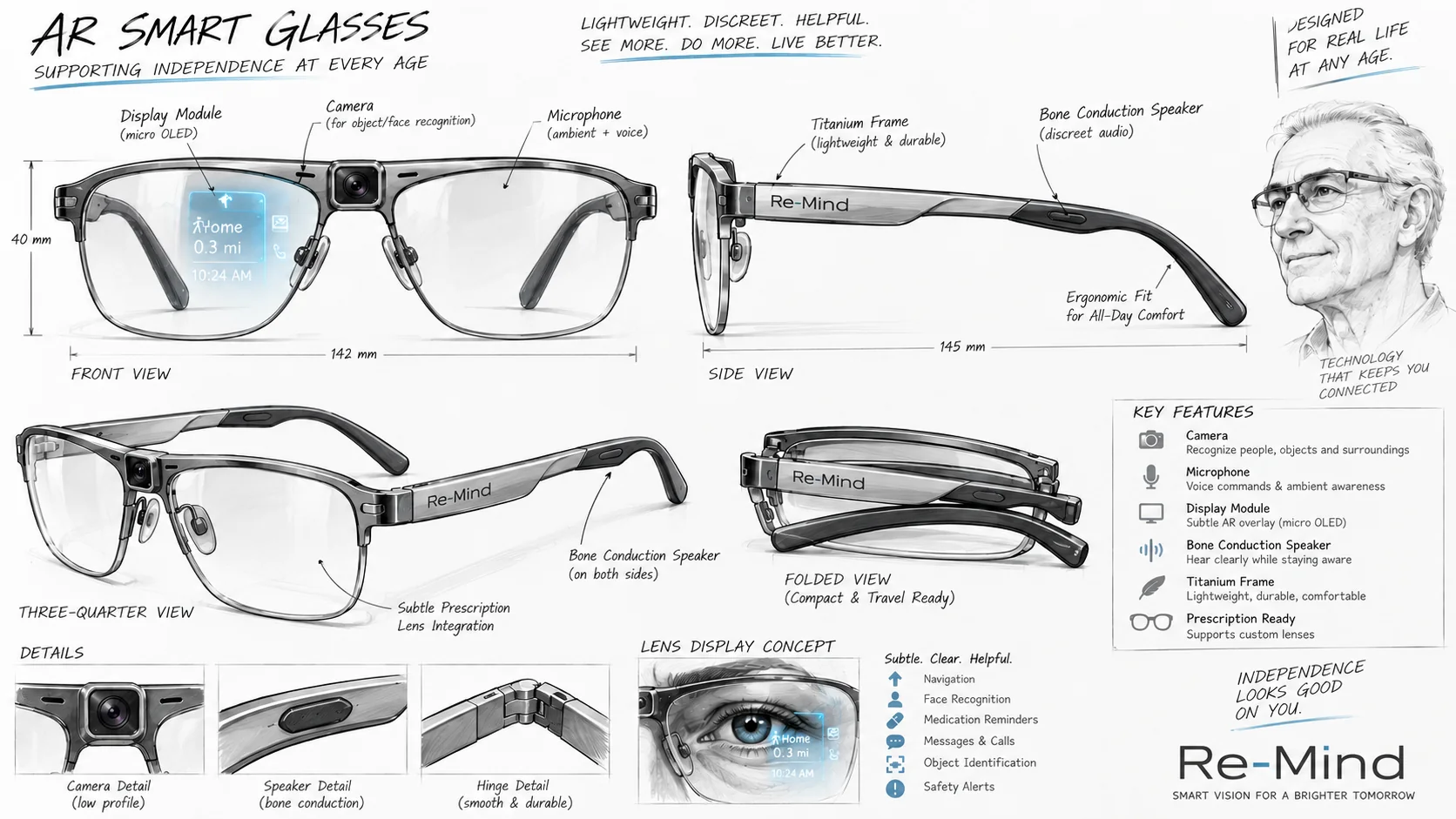
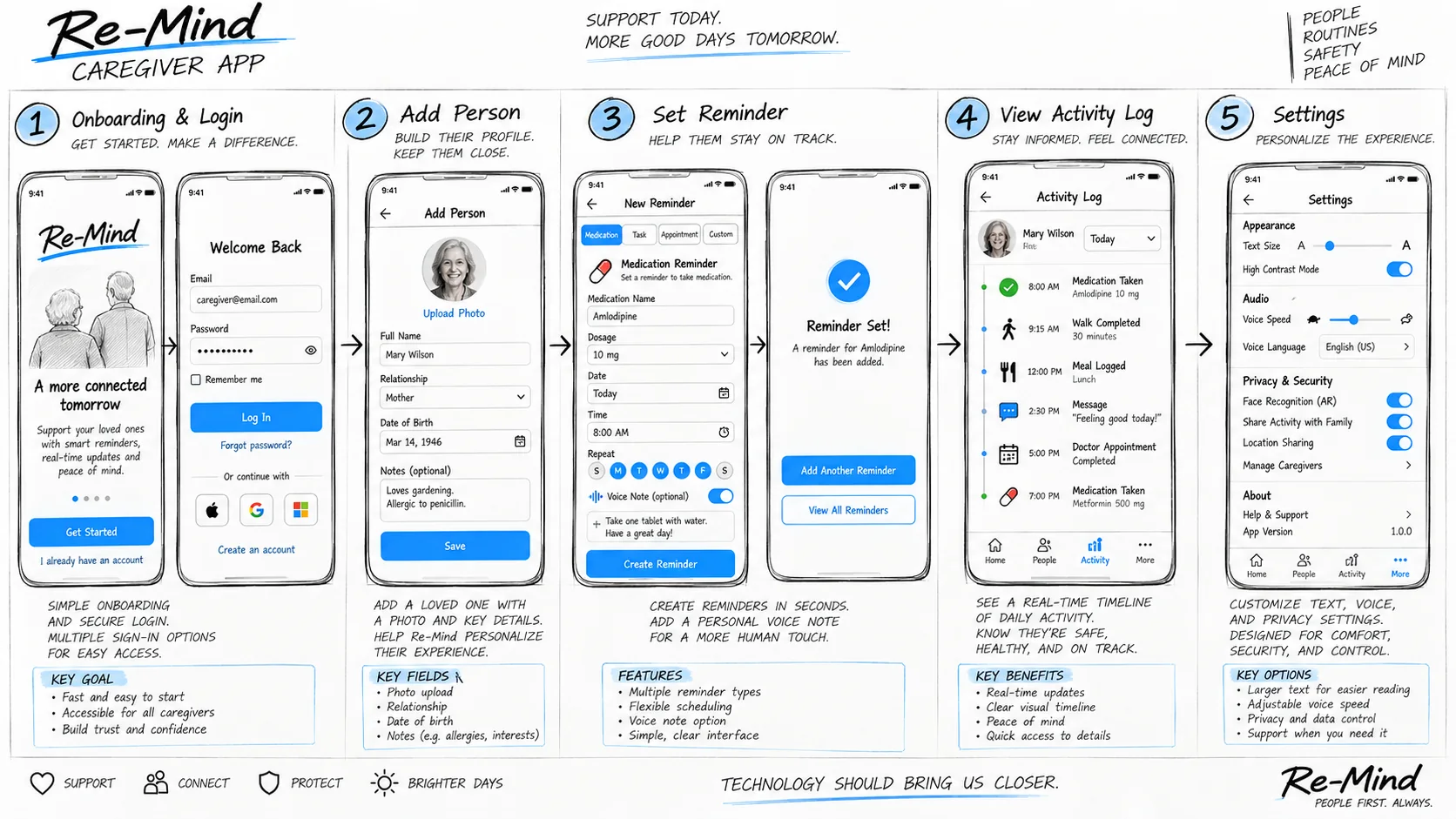
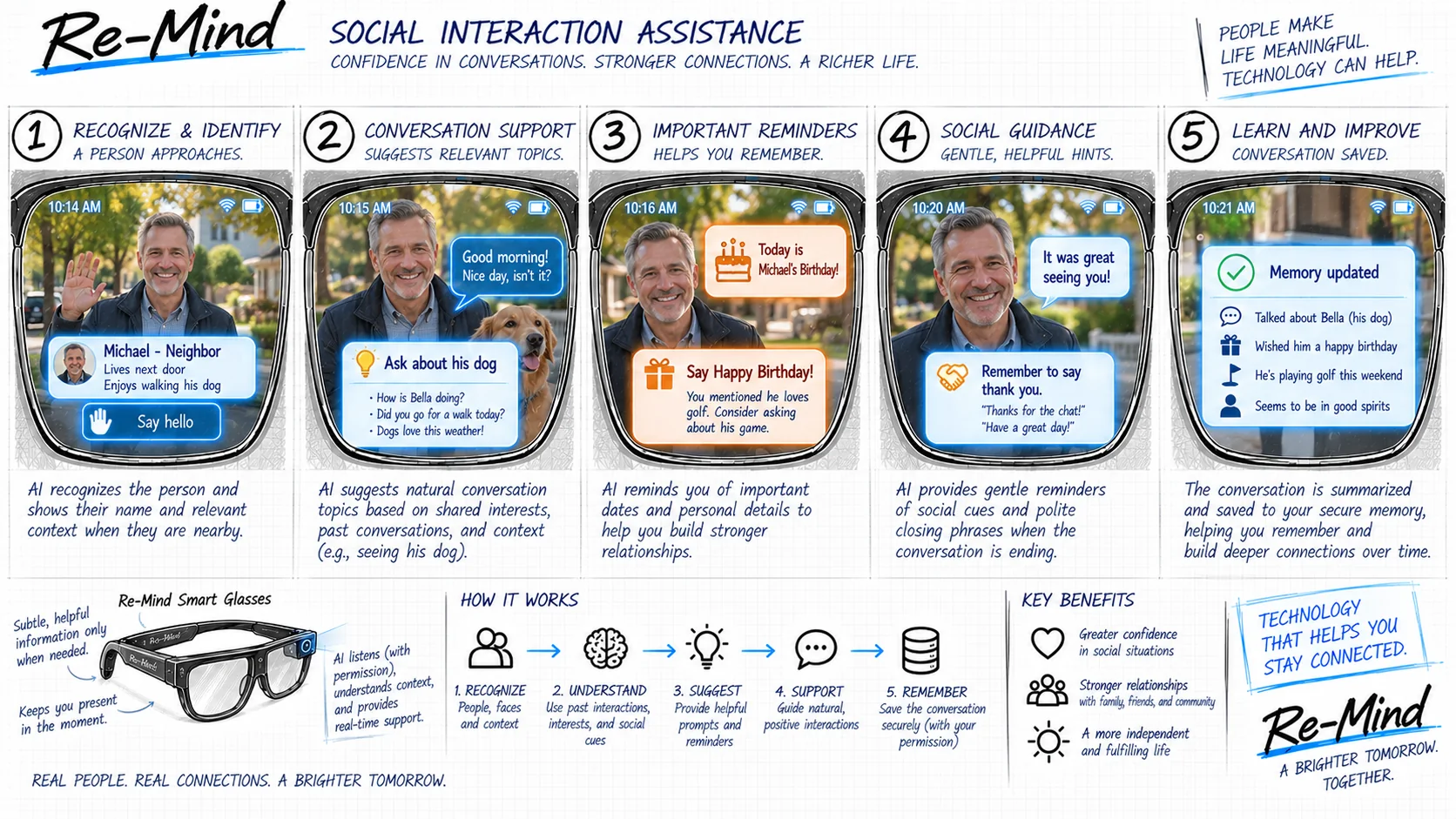
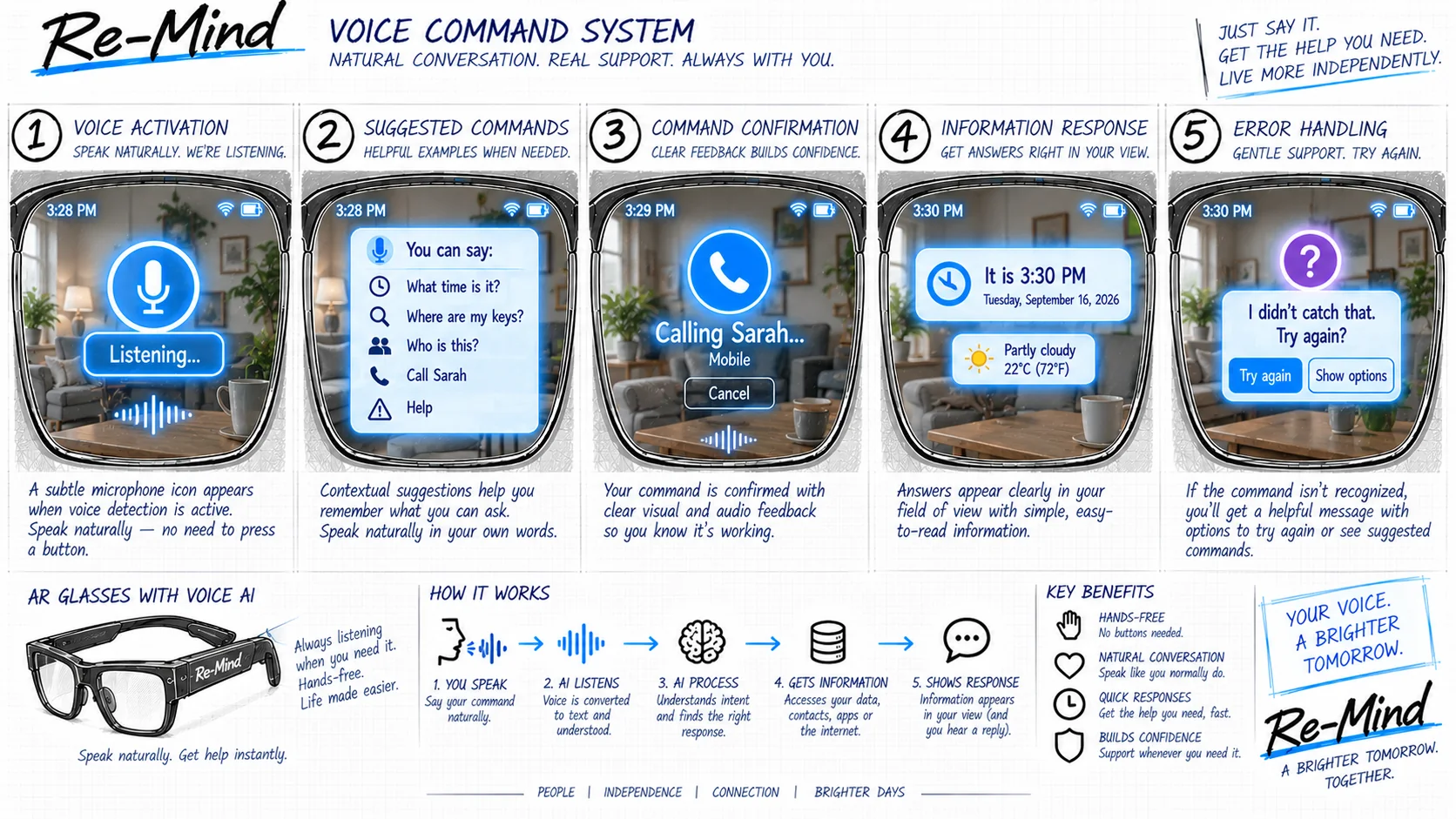
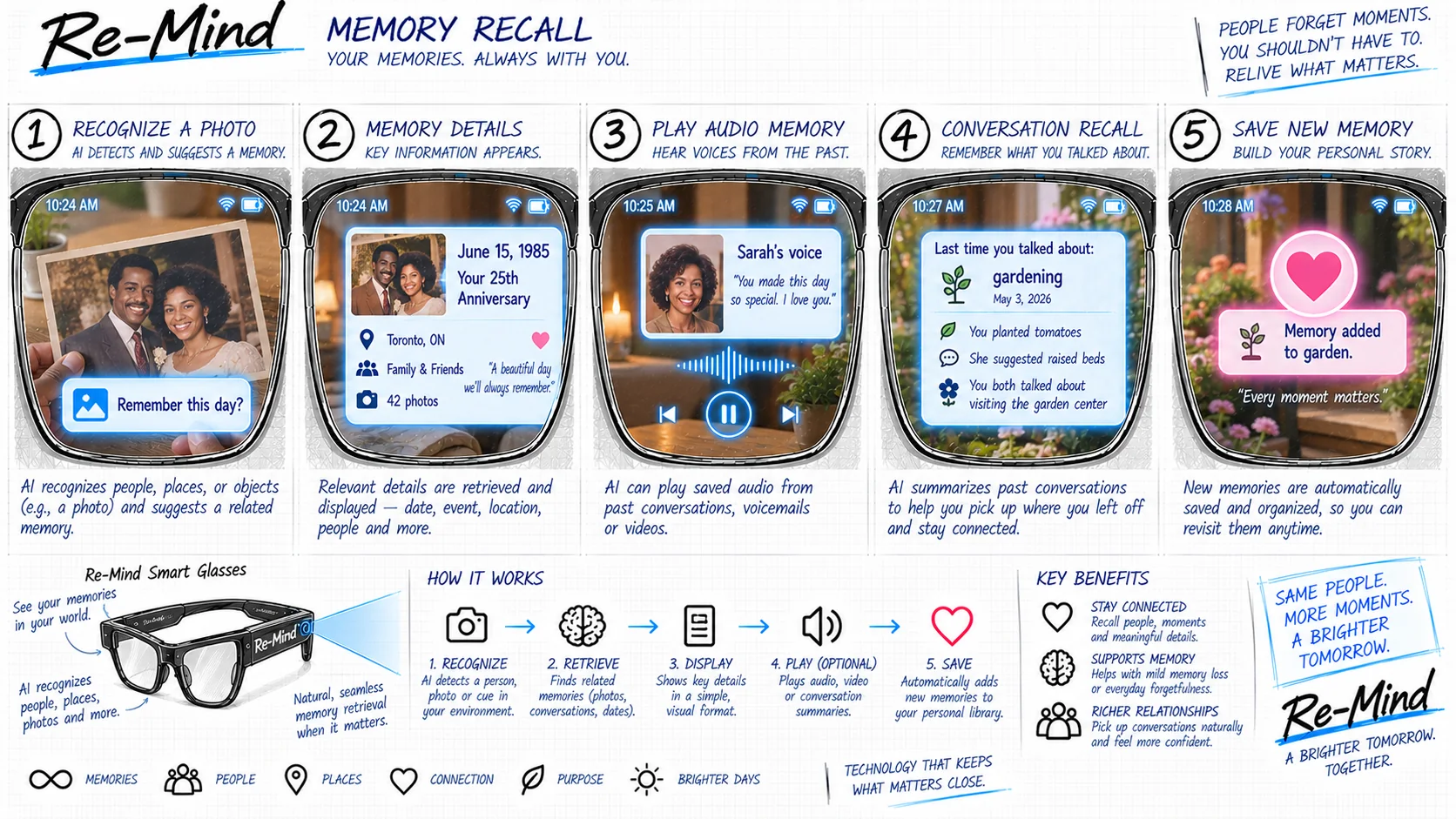
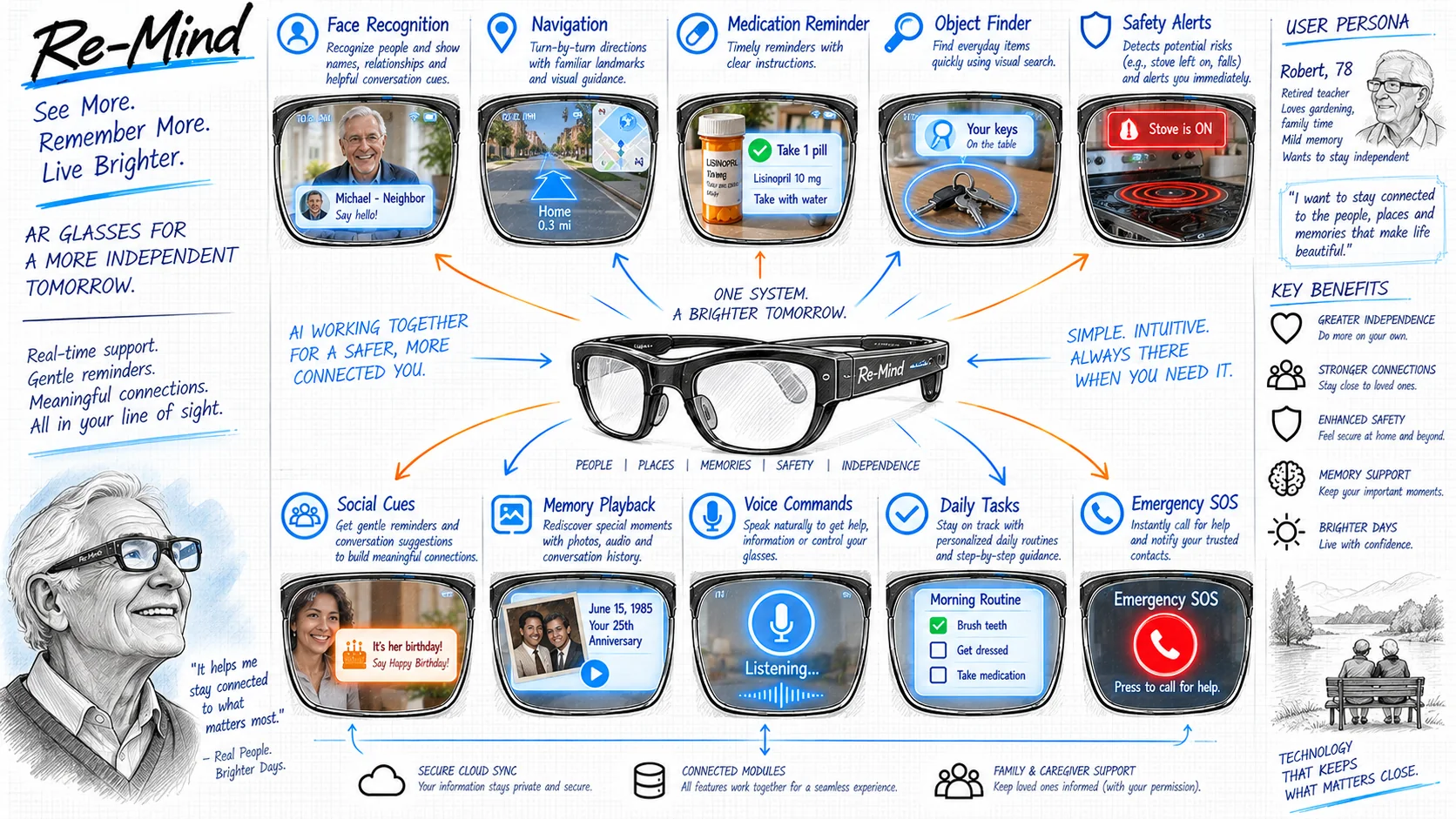
An AI-powered AR cognitive prosthesis concept designed as a discreet, proactive assistant for older adults experiencing memory challenges, with a connected caregiver experience.
Re-Mind places useful contextual information in the user's field of view through a familiar wearable form.
Smart glasses, contextual AI, a personal memory database and caregiver tools work together across daily life.
Recognition, task guidance, navigation, conversation recall, object awareness and safety support are designed around context.
A premium golf-ball tracking concept built around a simple promise: play the same game, spend less time searching, and lose fewer balls.

Design challenge: Create a seamless, tour-quality golf ball system that allows golfers to locate their ball with pinpoint accuracy without compromising aerodynamic performance, feel, durability, or a pathway toward regulatory conformity.
Technology disappears during play and appears only when needed.
The tracking element feels engineered into the ball, not added afterward.
Designed around high-speed impacts, water, sand and UV exposure.
Apply → Play → Locate → Recover.
A design target shaped around USGA/R&A equipment requirements.
The new Project 04 boards are now integrated into the case study. The cover board leads the section, followed by the ideation board and the full design-brief / system-architecture board.
A speculative industrial-design and systems concept focused on pre-exit situational awareness, rapid deployment and coordinated evidence capture.
How might a patrol vehicle extend an officer's awareness before the officer steps into an uncertain scene?
Axon Aegis explores a vehicle-integrated drone concept that launches from the cruiser, surveys stopped vehicles and higher-risk scenes, and relays live situational information back to the officer. The project is framed as an aspirational ecosystem concept rather than a production-ready product.
The boards below are presented in the order they were developed, showing the evolution from user need and vehicle integration through product design, sensing, scenarios, ecosystem integration, technical definition and the closing vision.
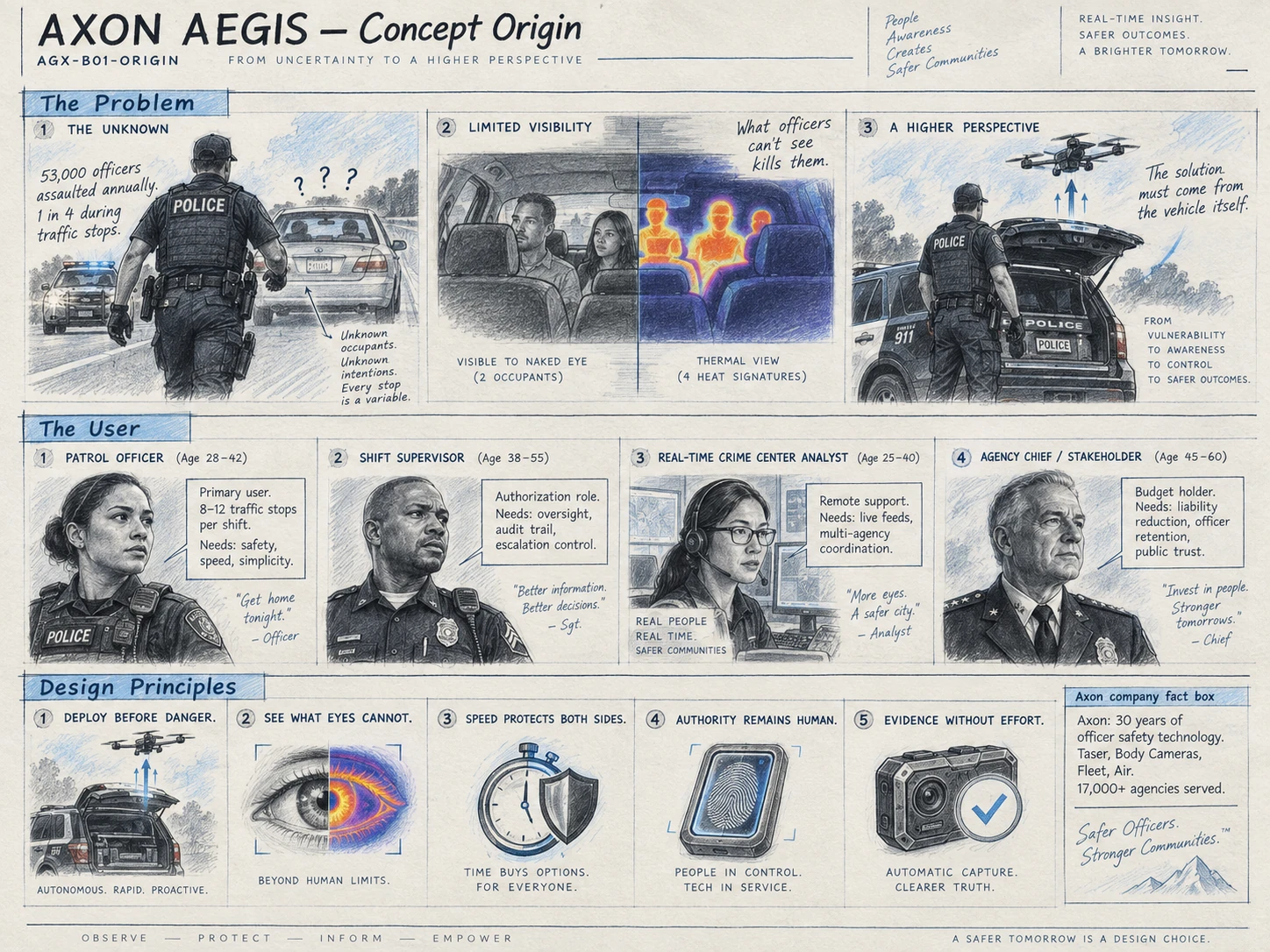
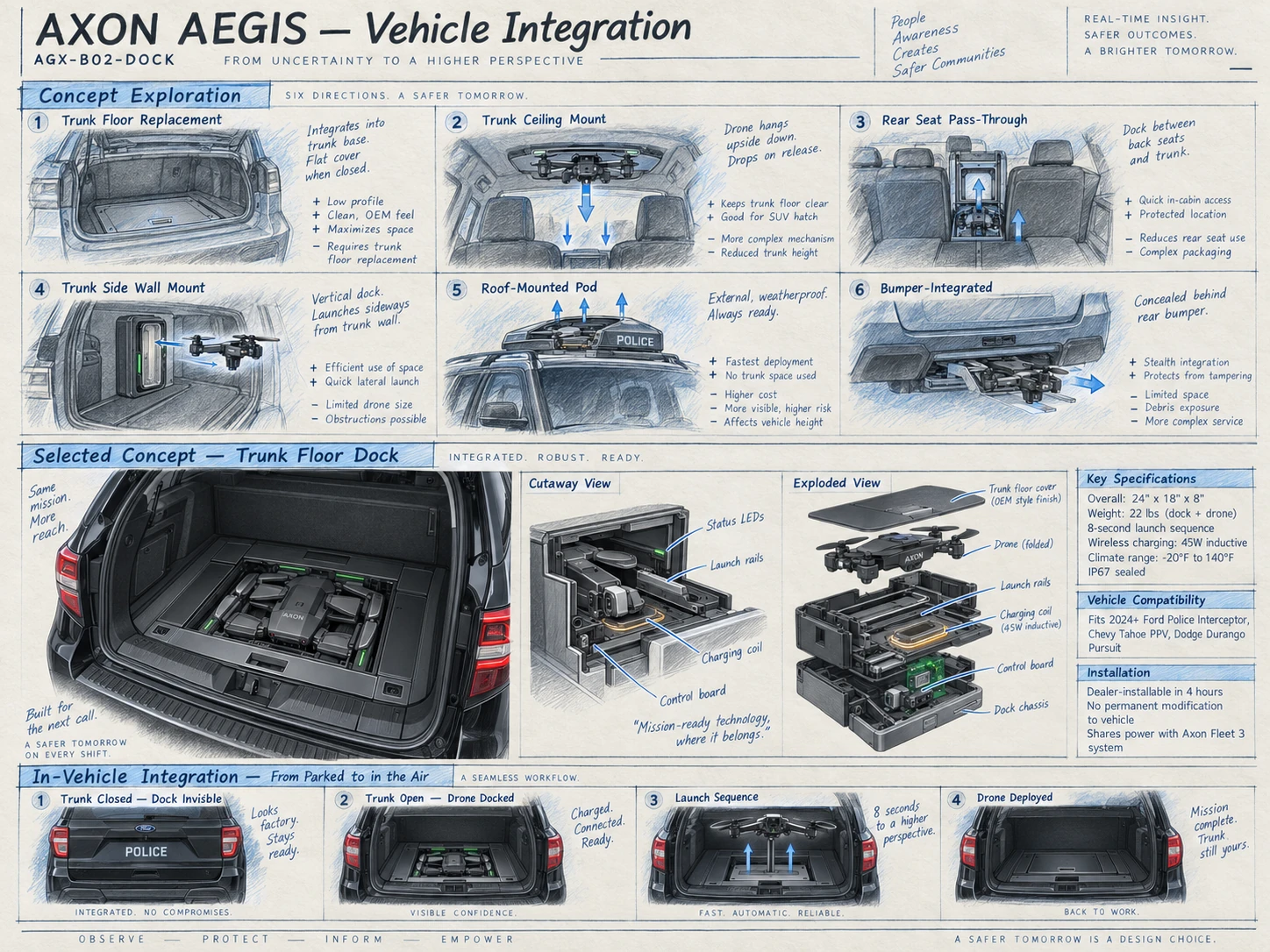
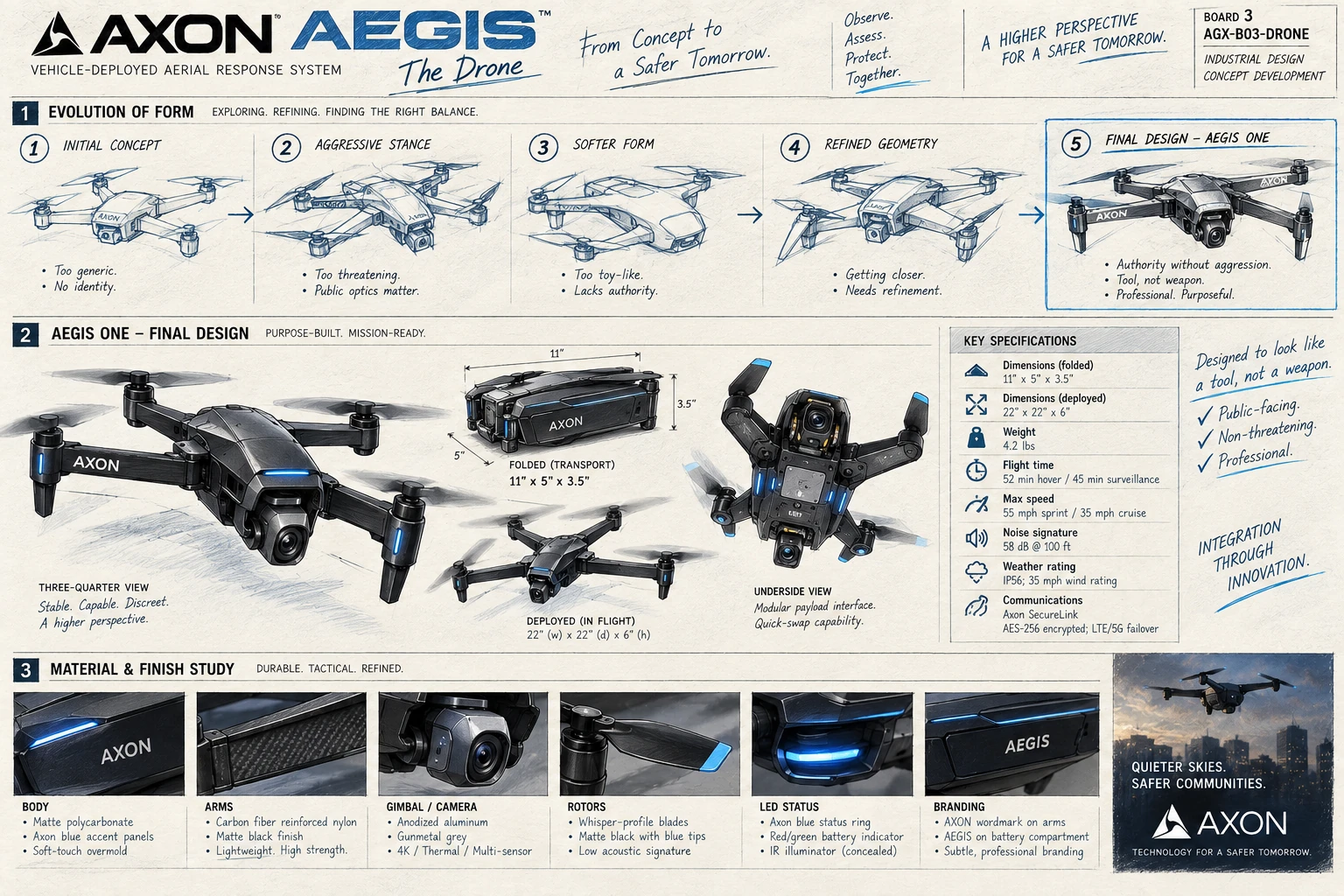
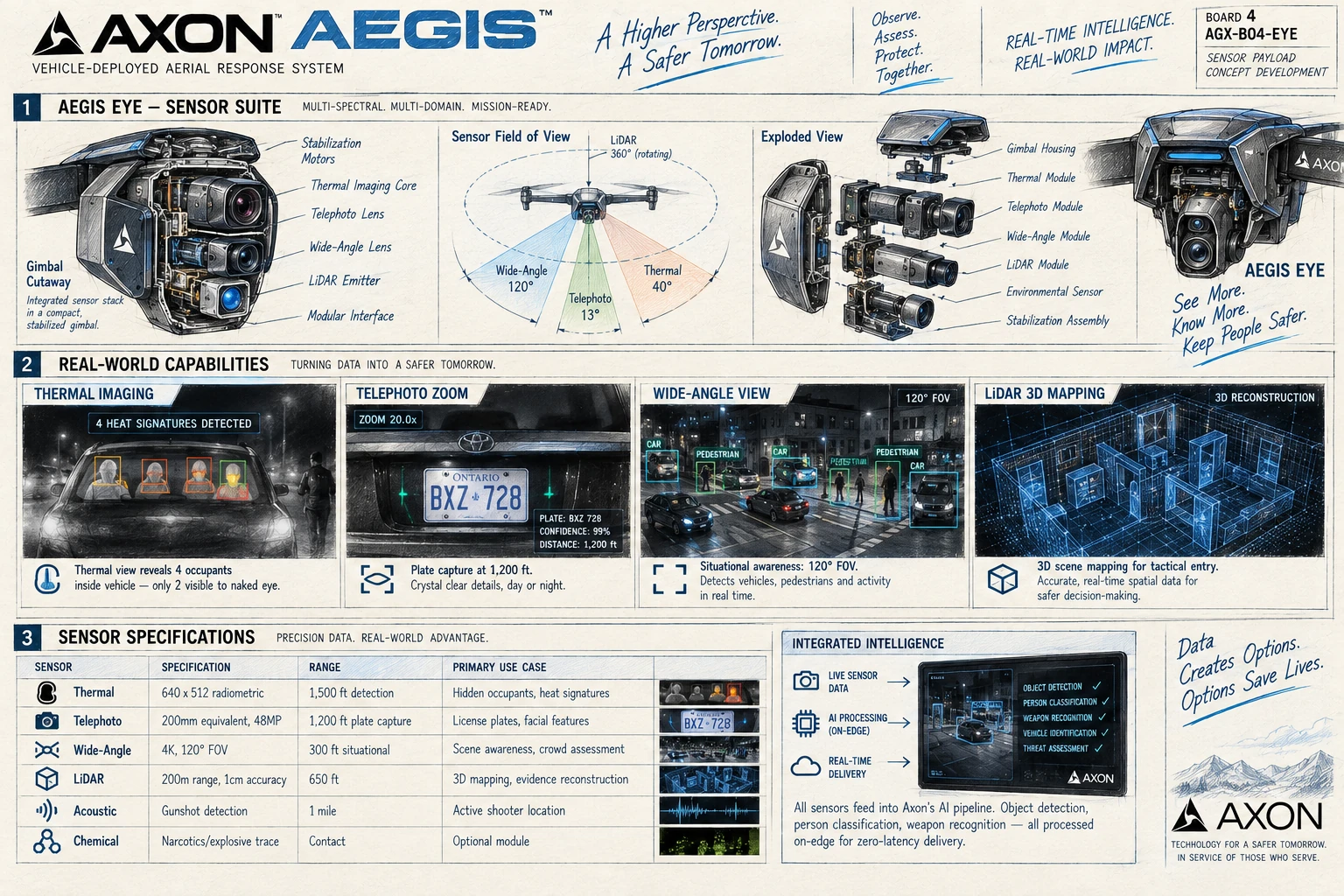
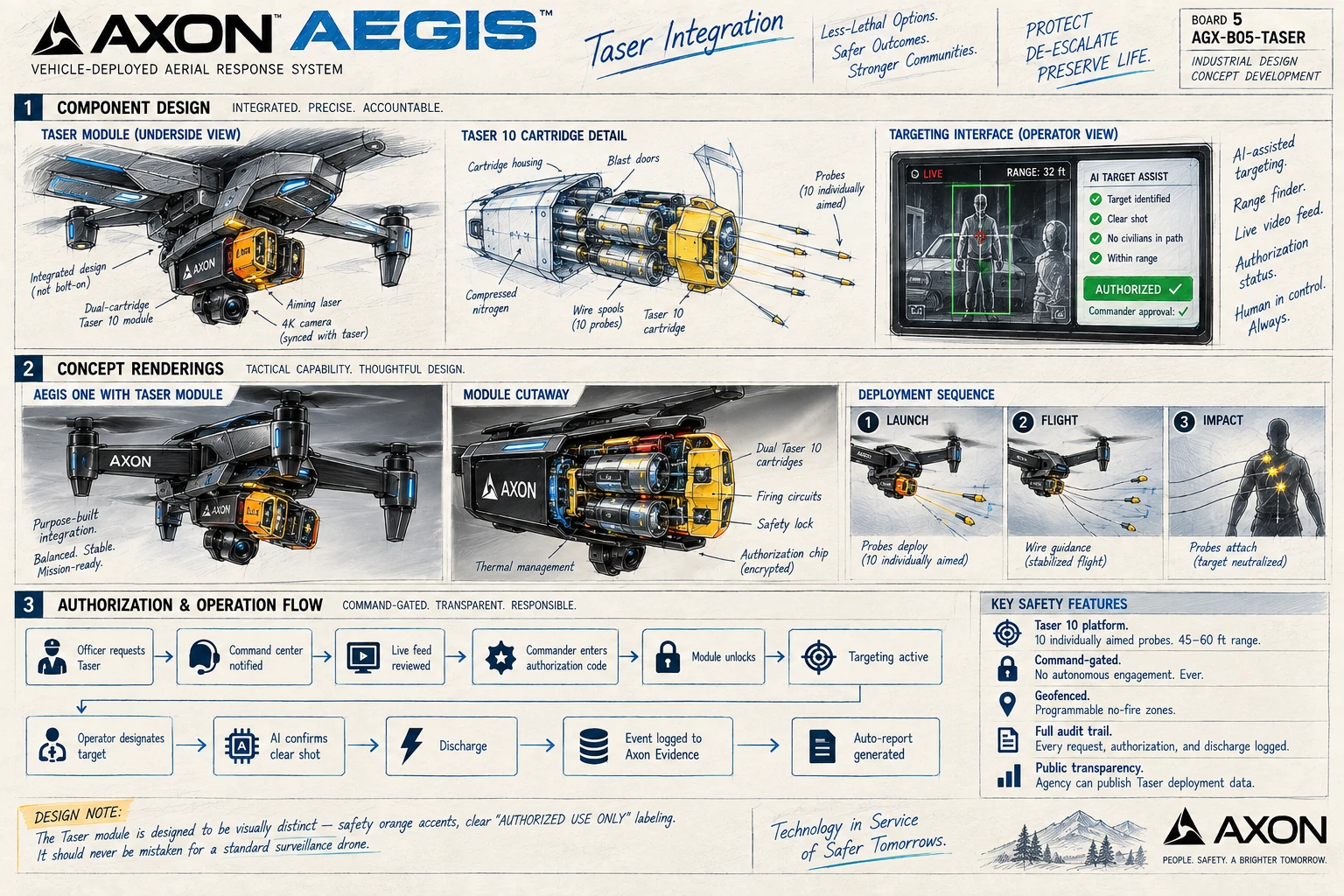
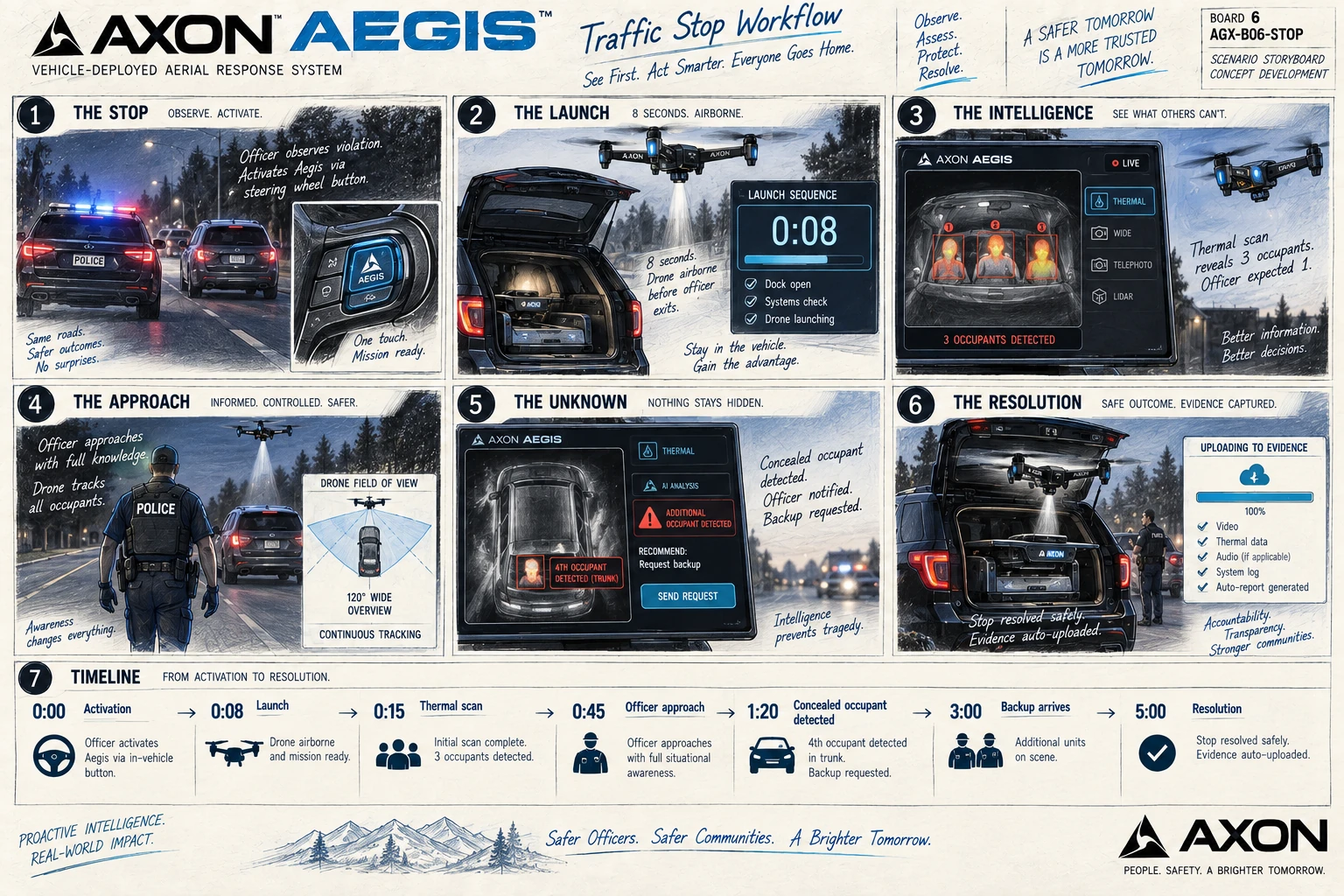
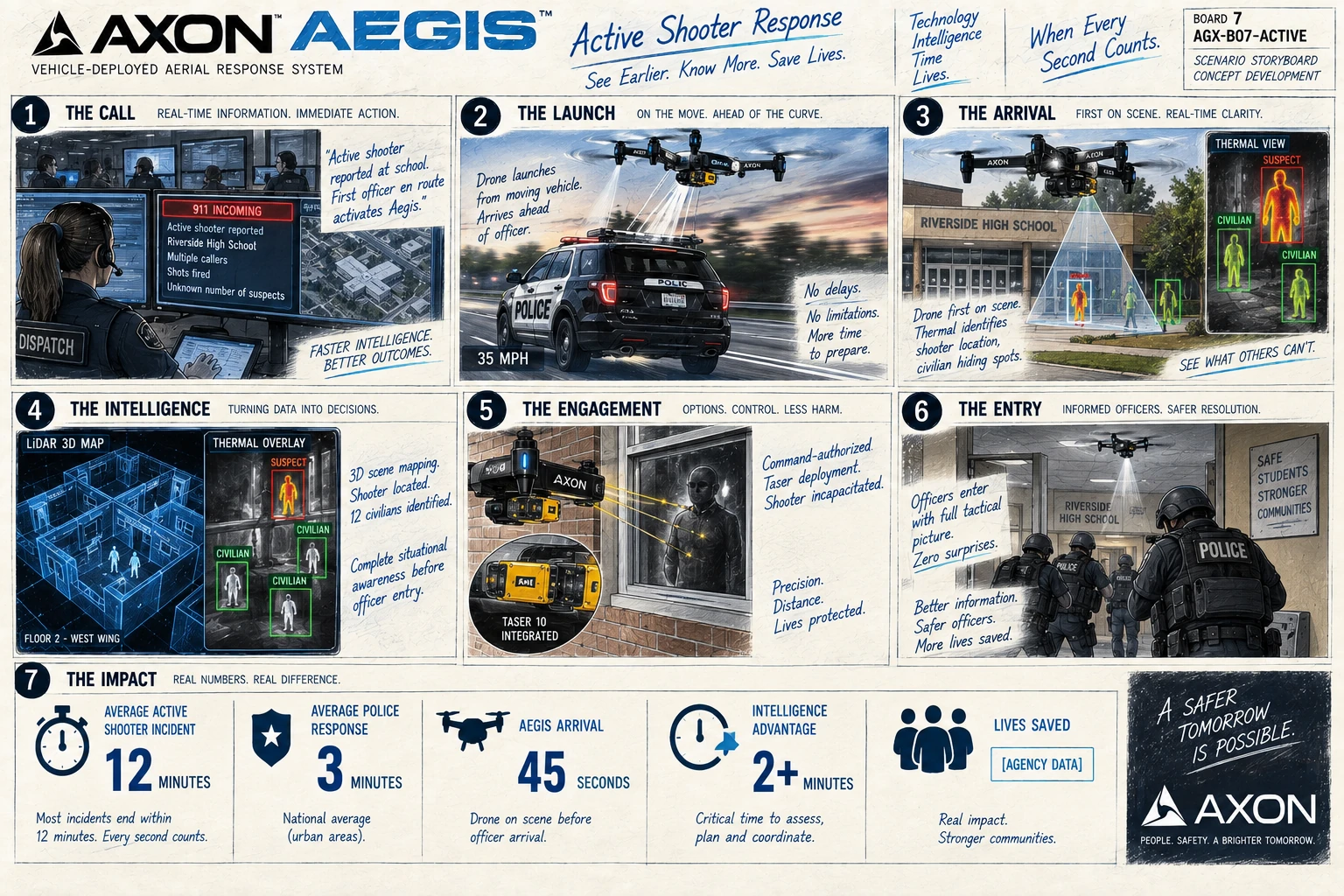
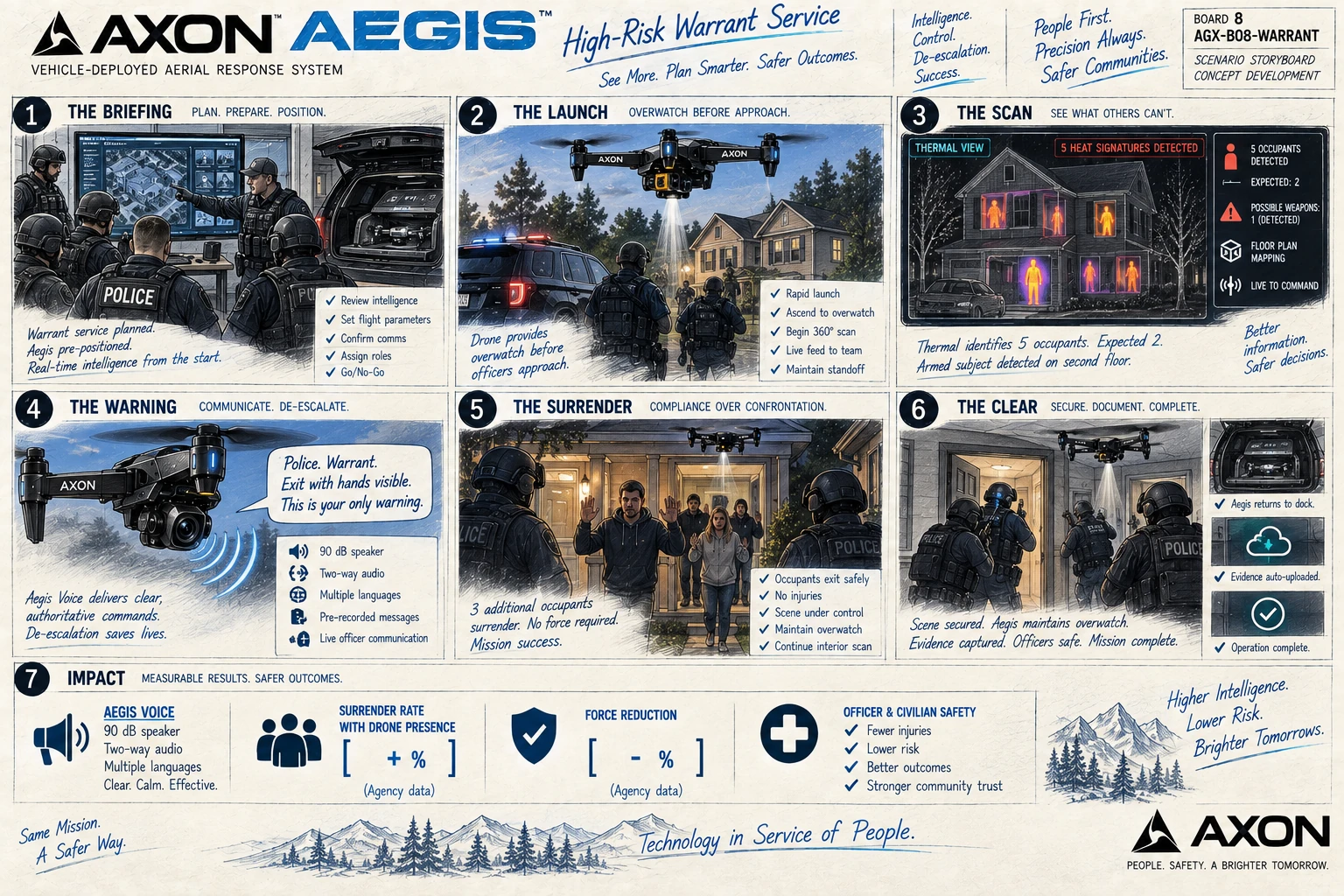
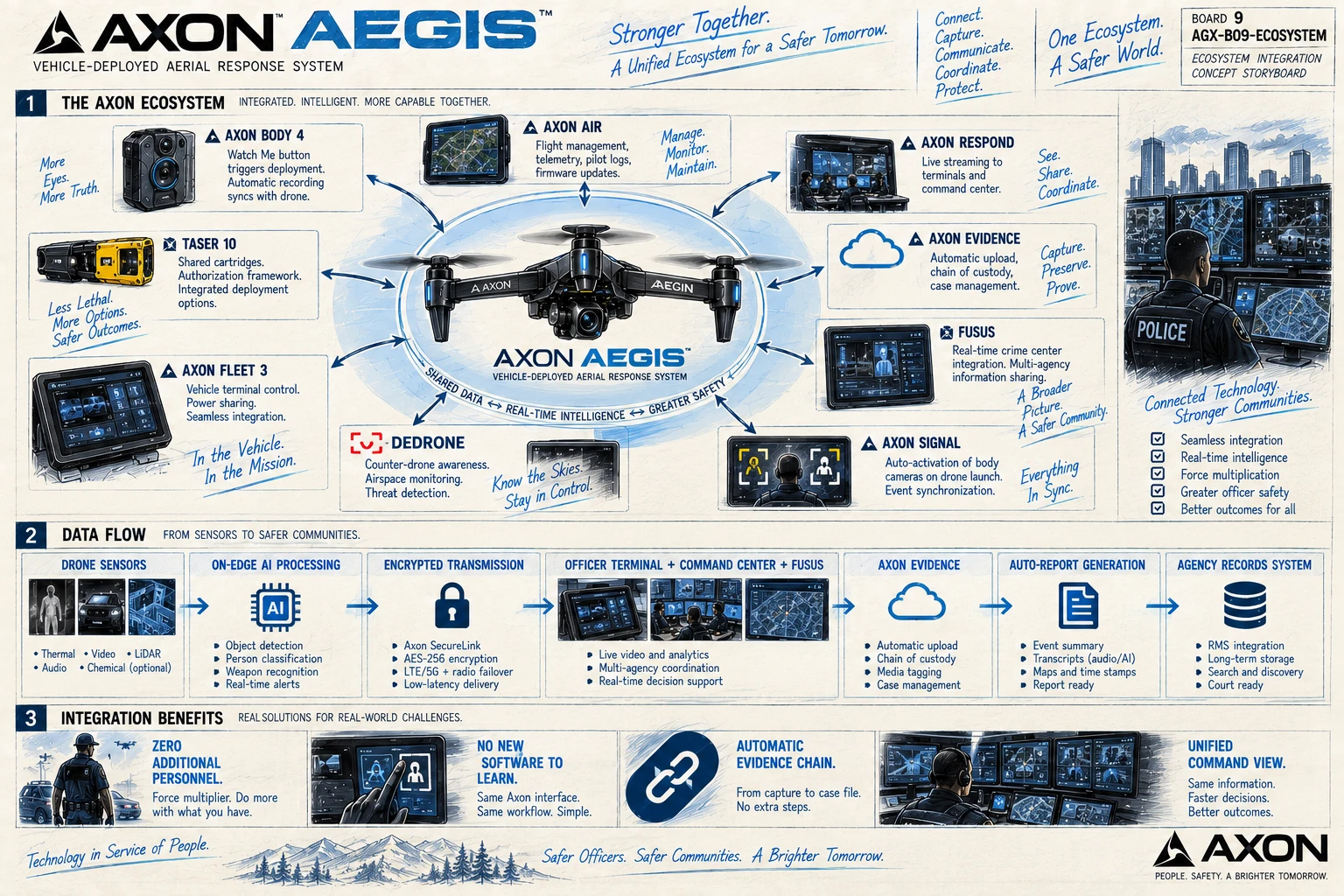
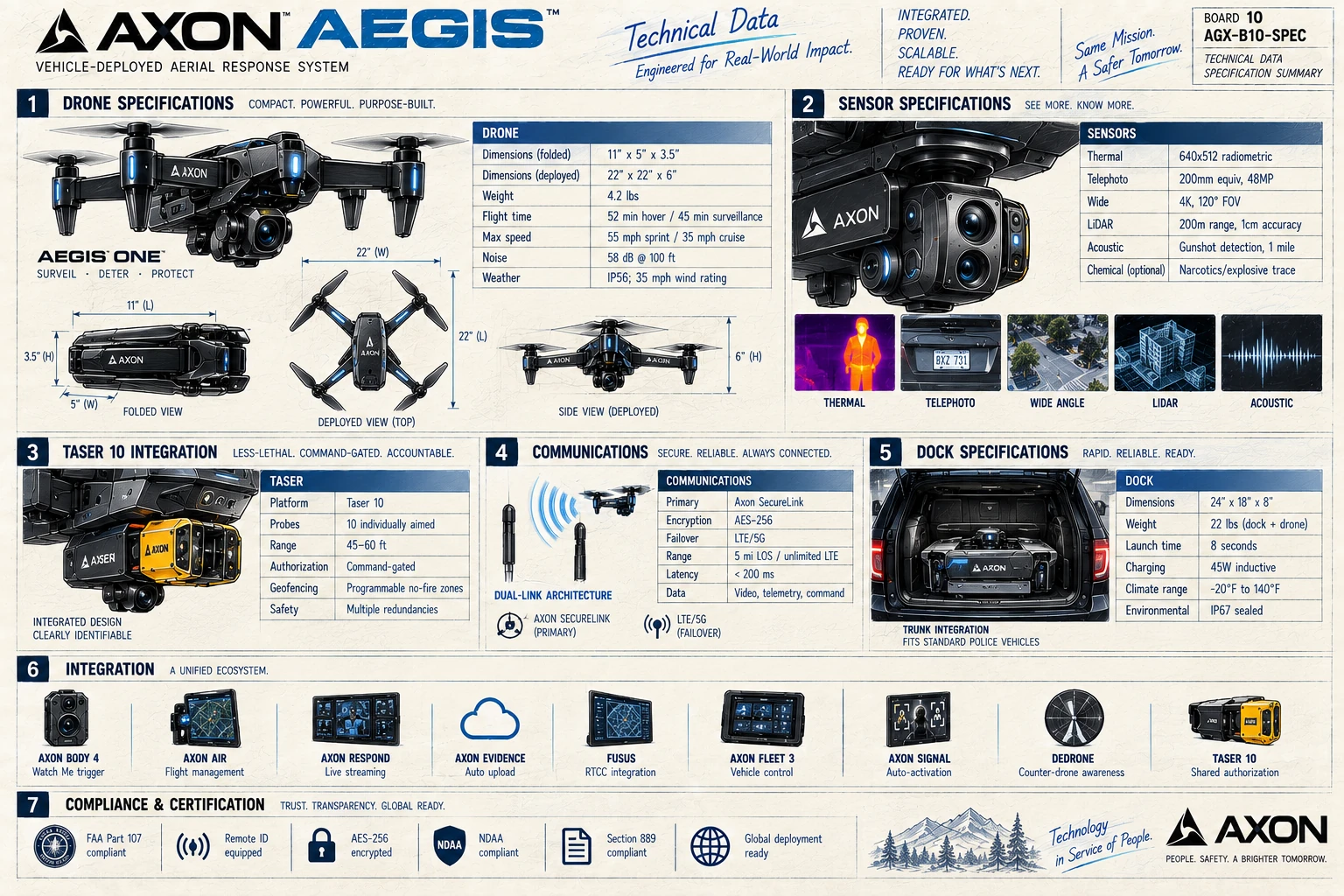
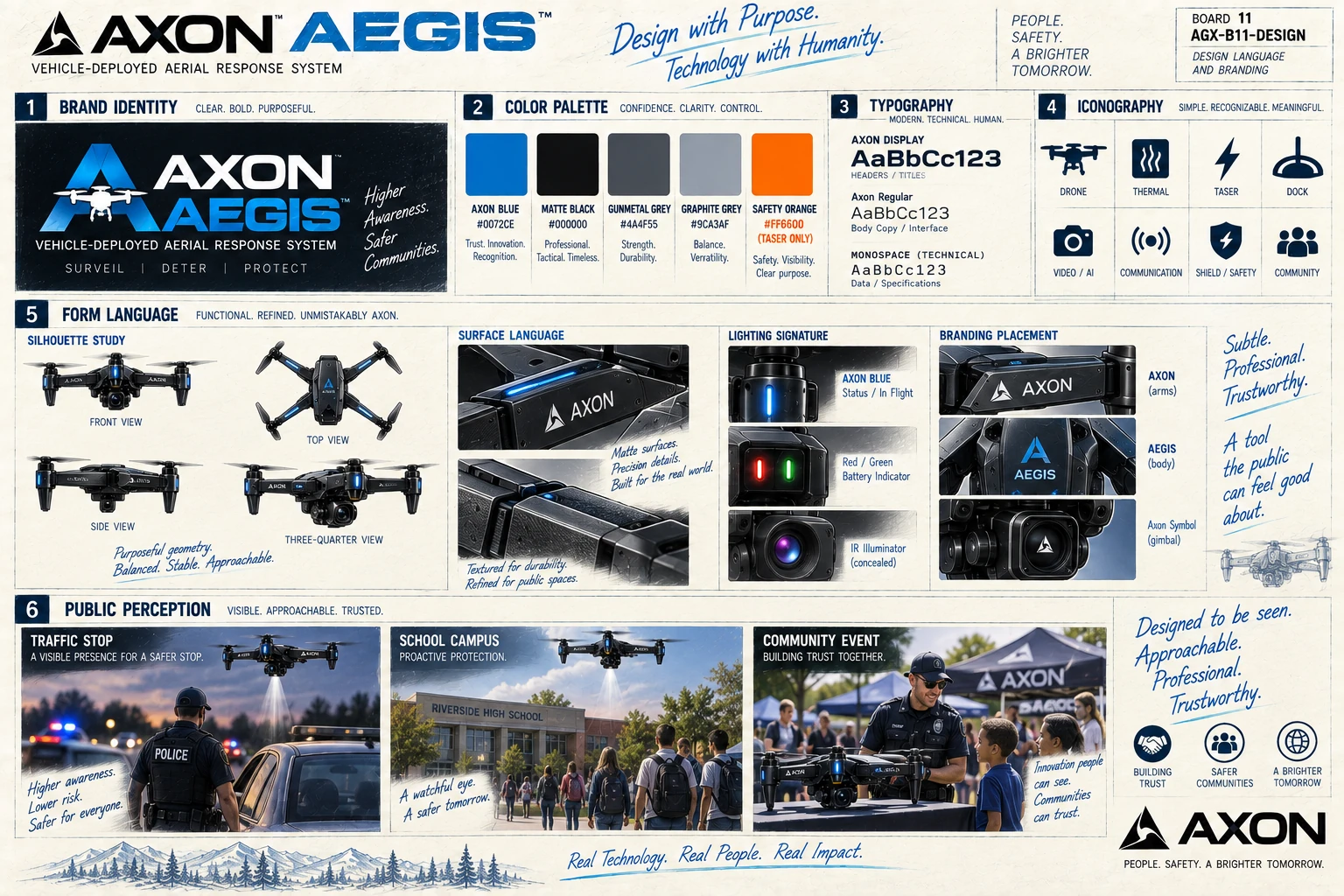
The concept combines a low-profile vehicle dock, a rapidly deployable aerial platform, multi-modal sensing and a secure data path back to the officer and evidence workflow.
A trunk-integrated housing concept keeps the aerial platform protected, charged and ready while preserving a low-profile vehicle installation.
A purpose-built quadcopter concept provides an elevated view of traffic stops and dynamic scenes before ground personnel commit to an approach.
A conceptual sensor package combines visible, thermal and spatial scene information to give officers a clearer picture of people, vehicles and surroundings.
Relevant scene information is surfaced through the existing vehicle terminal so the workflow adds awareness without introducing another standalone device.
Video, telemetry and scene data are designed to flow into the broader evidence record, reducing manual transfer and preserving a documented chain of events.
Higher-consequence functions are framed around explicit human approval, event logging, operational constraints and reviewable accountability.
The core experience is designed around the moments before, during and after an officer approaches a scene.
The strongest value proposition is not autonomy for its own sake; it is giving officers better context earlier while keeping consequential decisions accountable to people.
The system concept focuses on delivering useful scene context before the officer leaves the relative protection of the vehicle.
Vehicle-based charging, storage and diagnostics are intended to make the system available without creating a separate equipment-management burden.
Live information can conceptually support the officer, responding units and command personnel with a common view of the scene.
Automation supports sensing, navigation and information delivery while human authorization and auditable records remain central to higher-consequence actions.
Future work would prioritize dock packaging, officer interaction design, prototype deployment studies, engineering feasibility, regulatory analysis, ethics review and user validation with public-safety stakeholders.
A human-centered quality-inspection ecosystem pairing augmented-reality glasses with a rugged handheld interface for clear, contextual guidance on the production floor.
Human insight. Digital precision. A higher standard—together.
How might augmented guidance help quality inspectors manage complex information, verify component placement and document results without replacing their judgment?
E.A.G.L.E. explores a coordinated wearable-and-handheld system for automotive quality inspection. Spatial overlays identify components and alignment, while the handheld interface provides task control, reference images, exception handling and a resilient fallback workflow.
The system is designed around quick comprehension, hands-free guidance, reliable task control and accountable documentation.
Spatial overlays connect instructions and component status directly to the vehicle and inspection area.
Color-coded guidance distinguishes correct, misaligned and missing components at a glance.
AR eyewear supports hands-free work while the rugged handheld device manages tasks, inputs and fallback operation.
Inspection progress, exceptions and inspector decisions are organized into a documented quality record.
The overview frames the full design story—from the opportunity and user need through system design, prototyping, validation and projected outcomes.
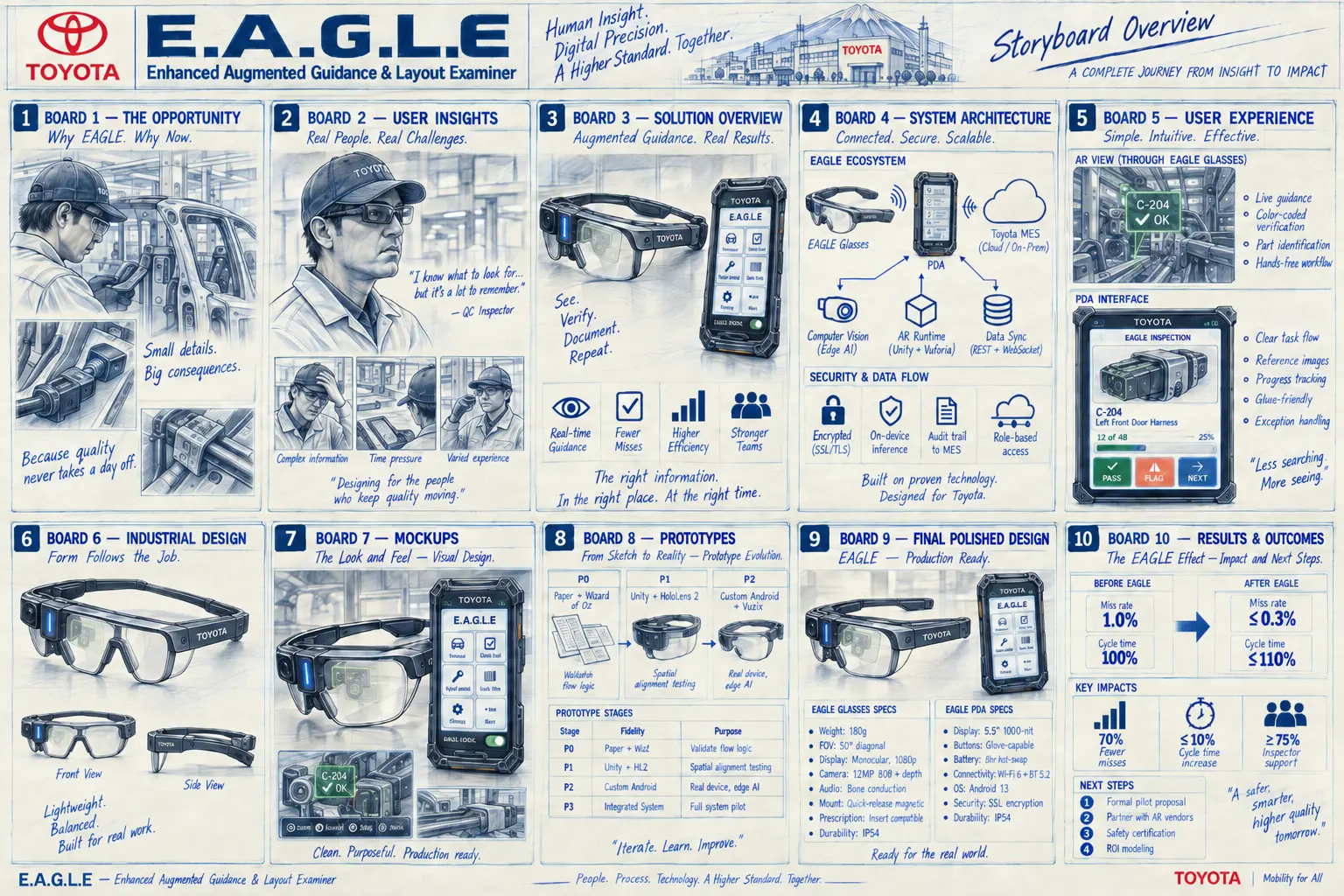
The boards are presented in narrative order. Portrait boards remain upright and the approved eyewear render keeps its original orientation and proportions.
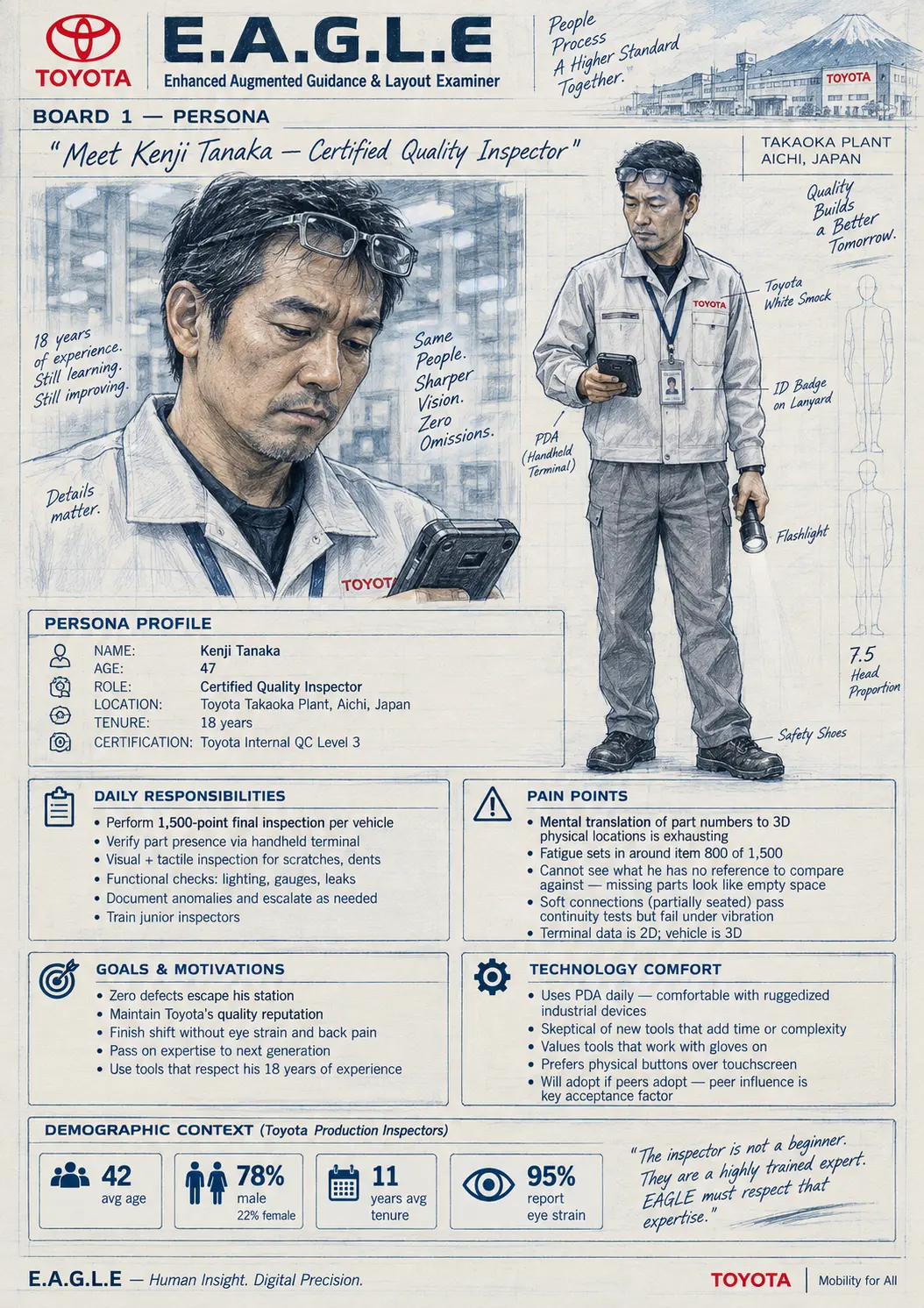
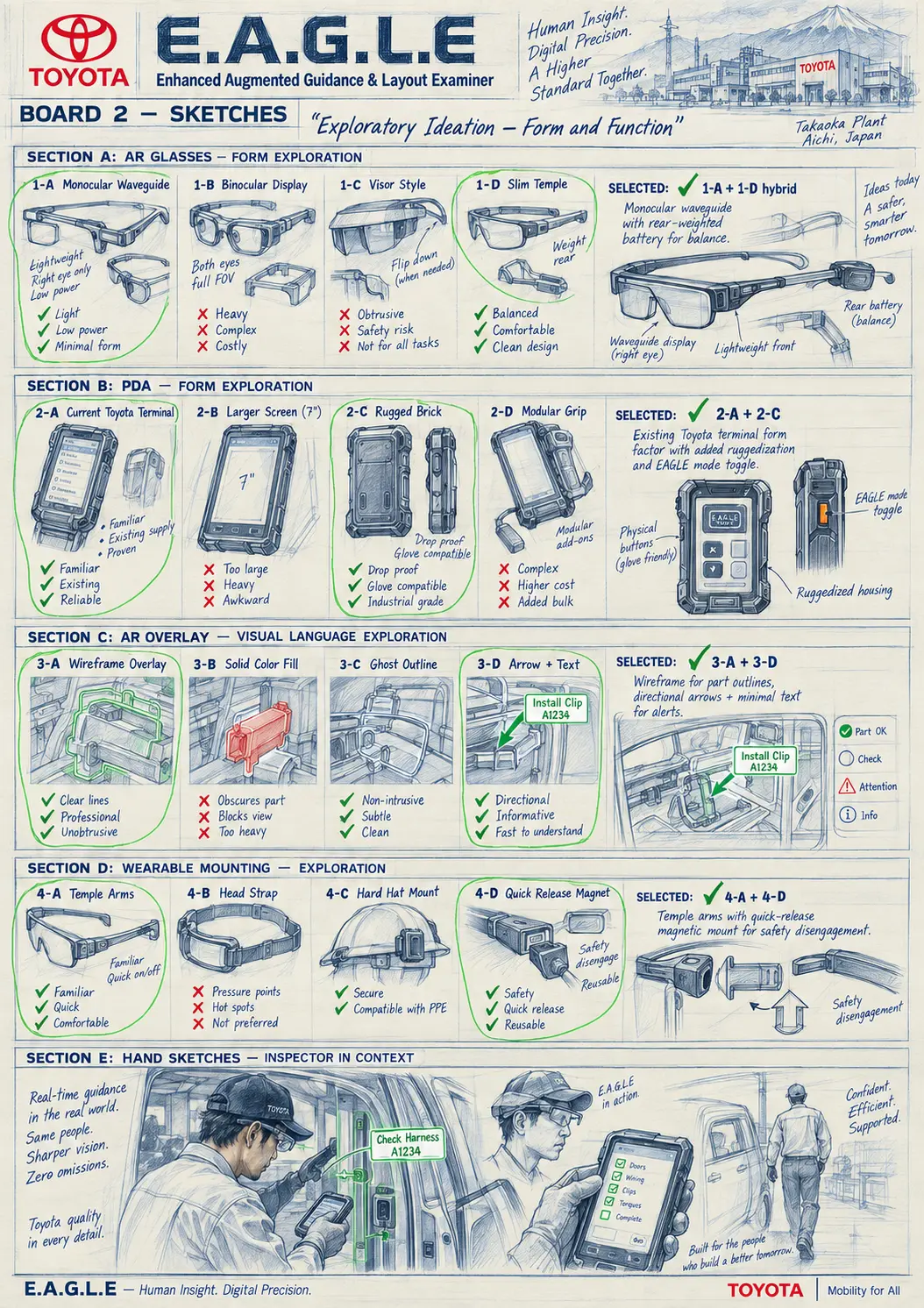
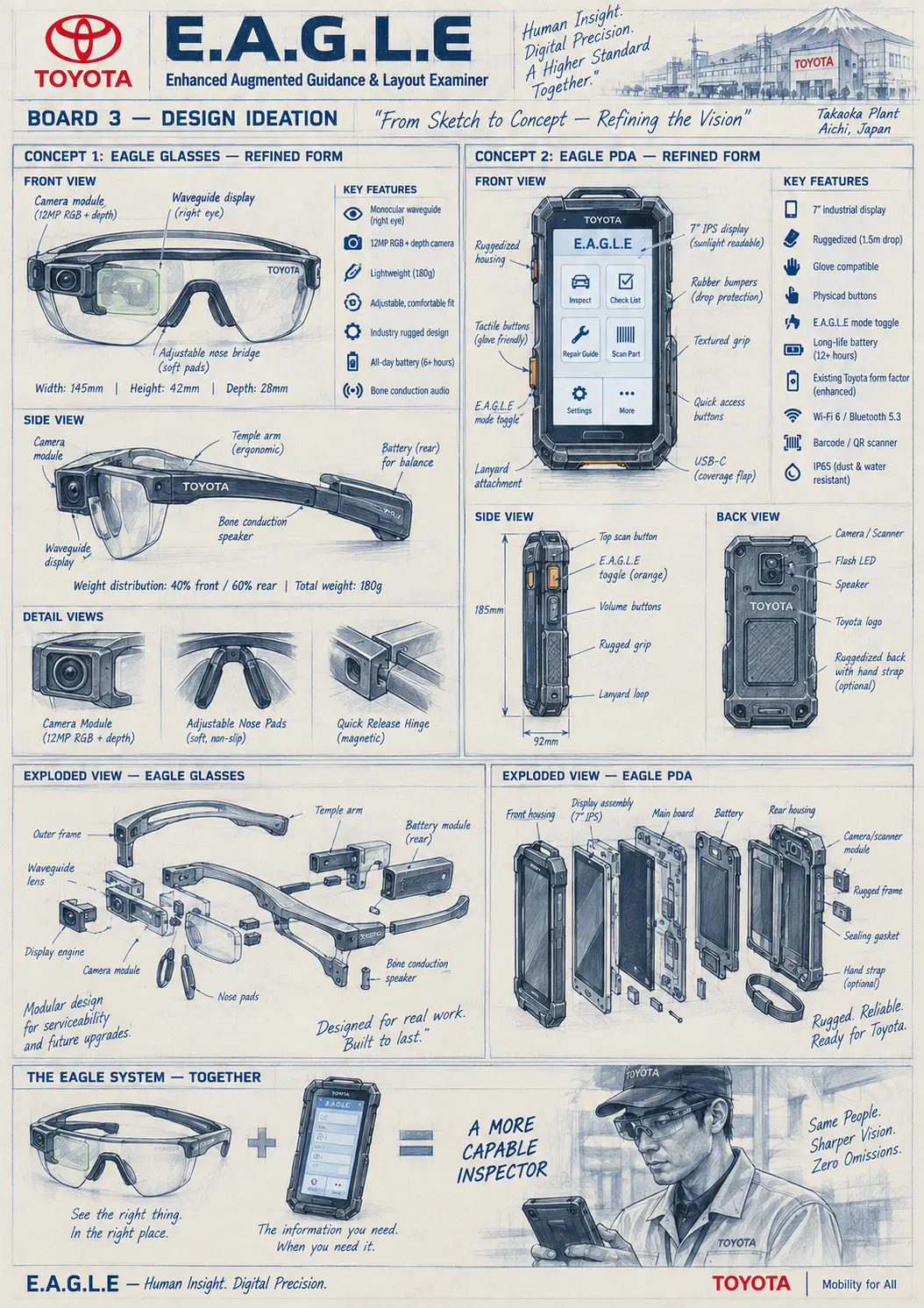
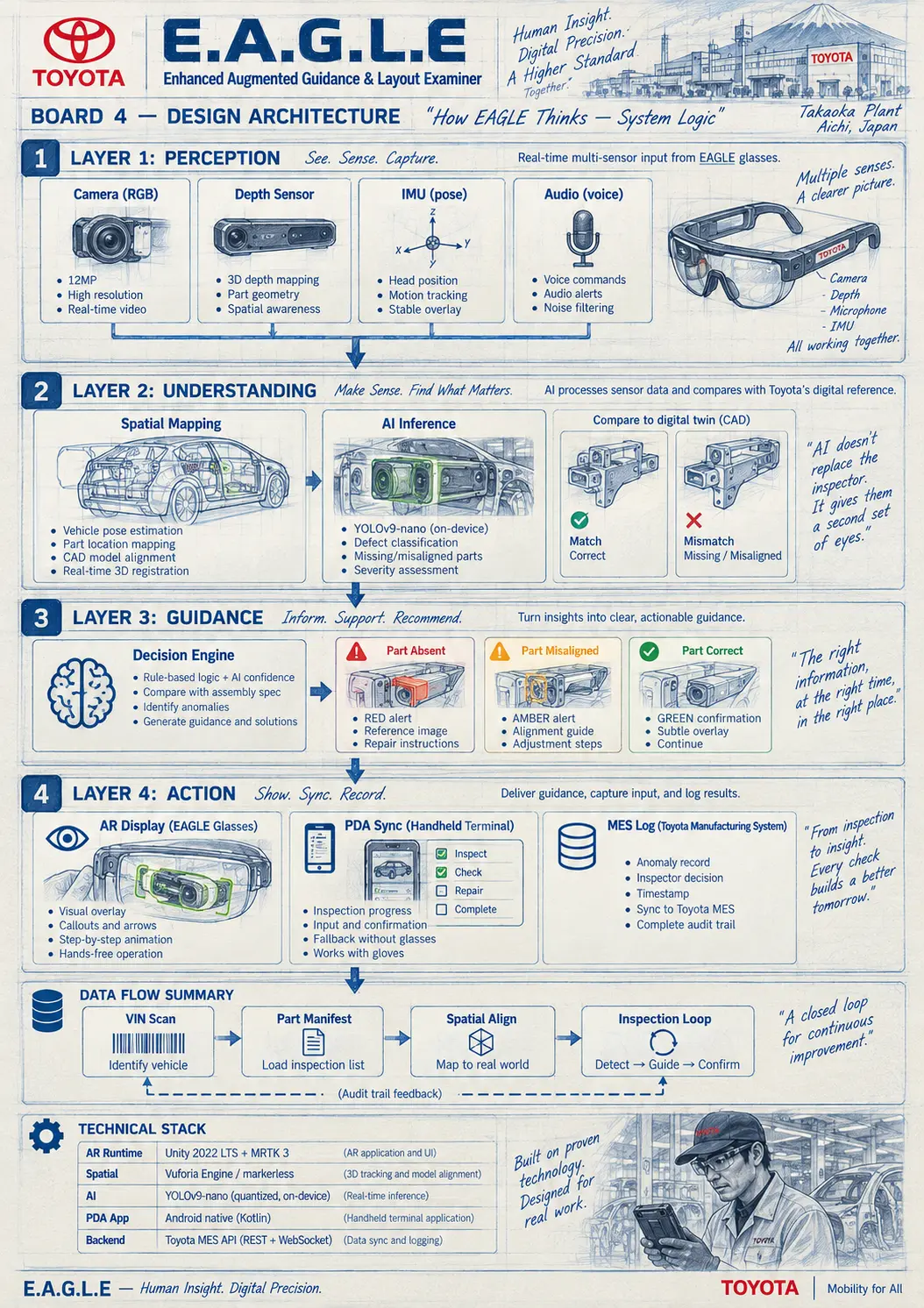
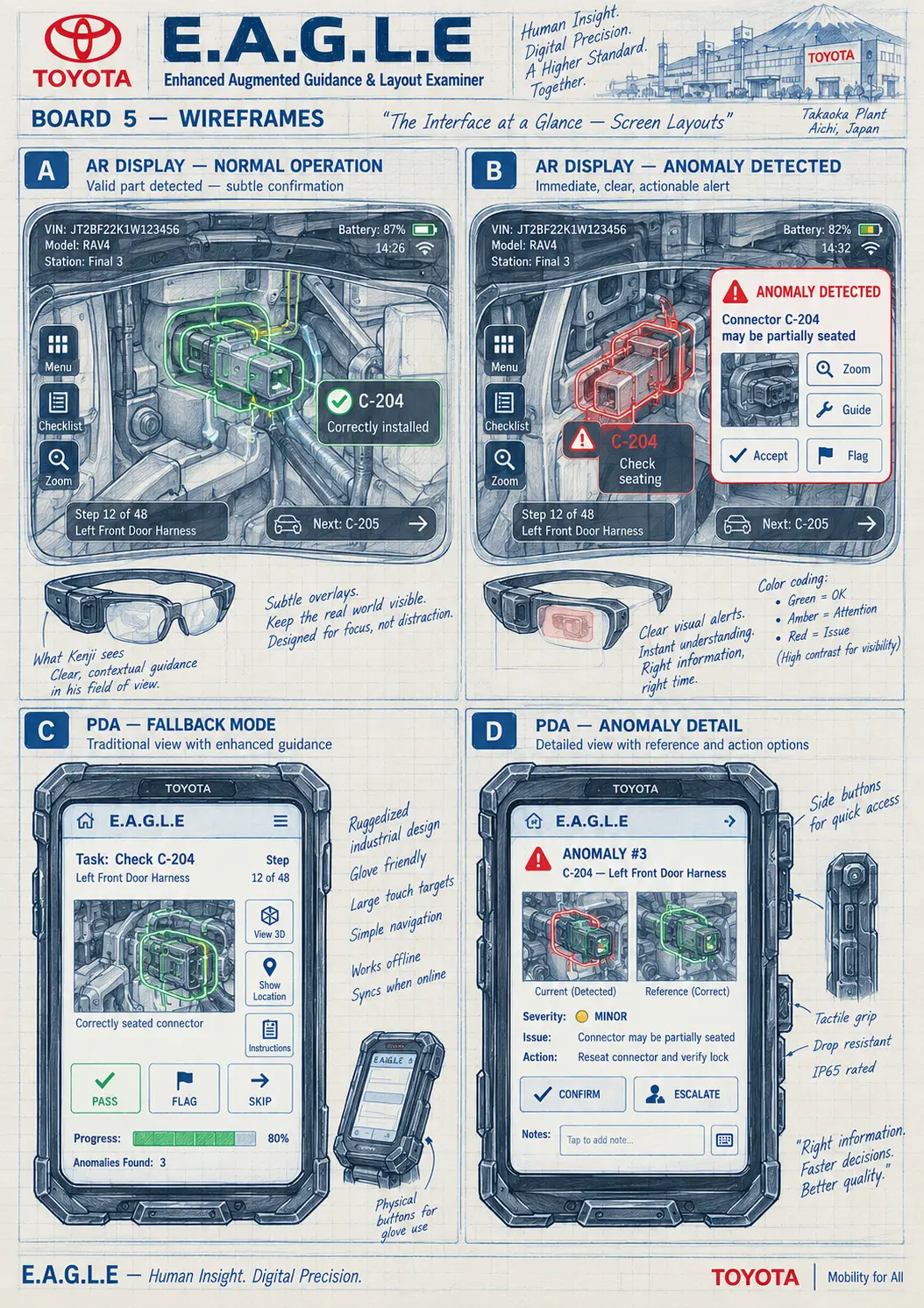
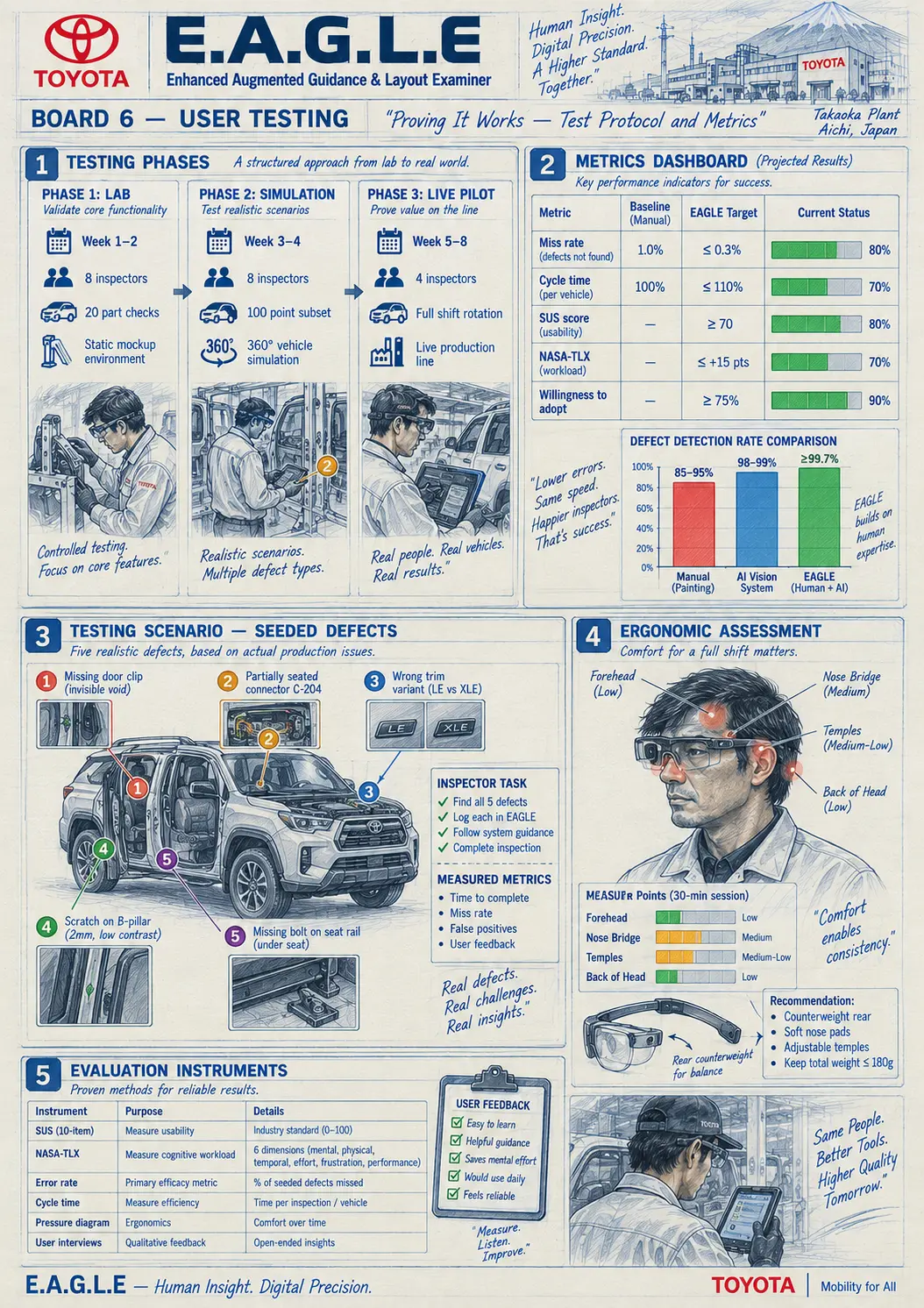
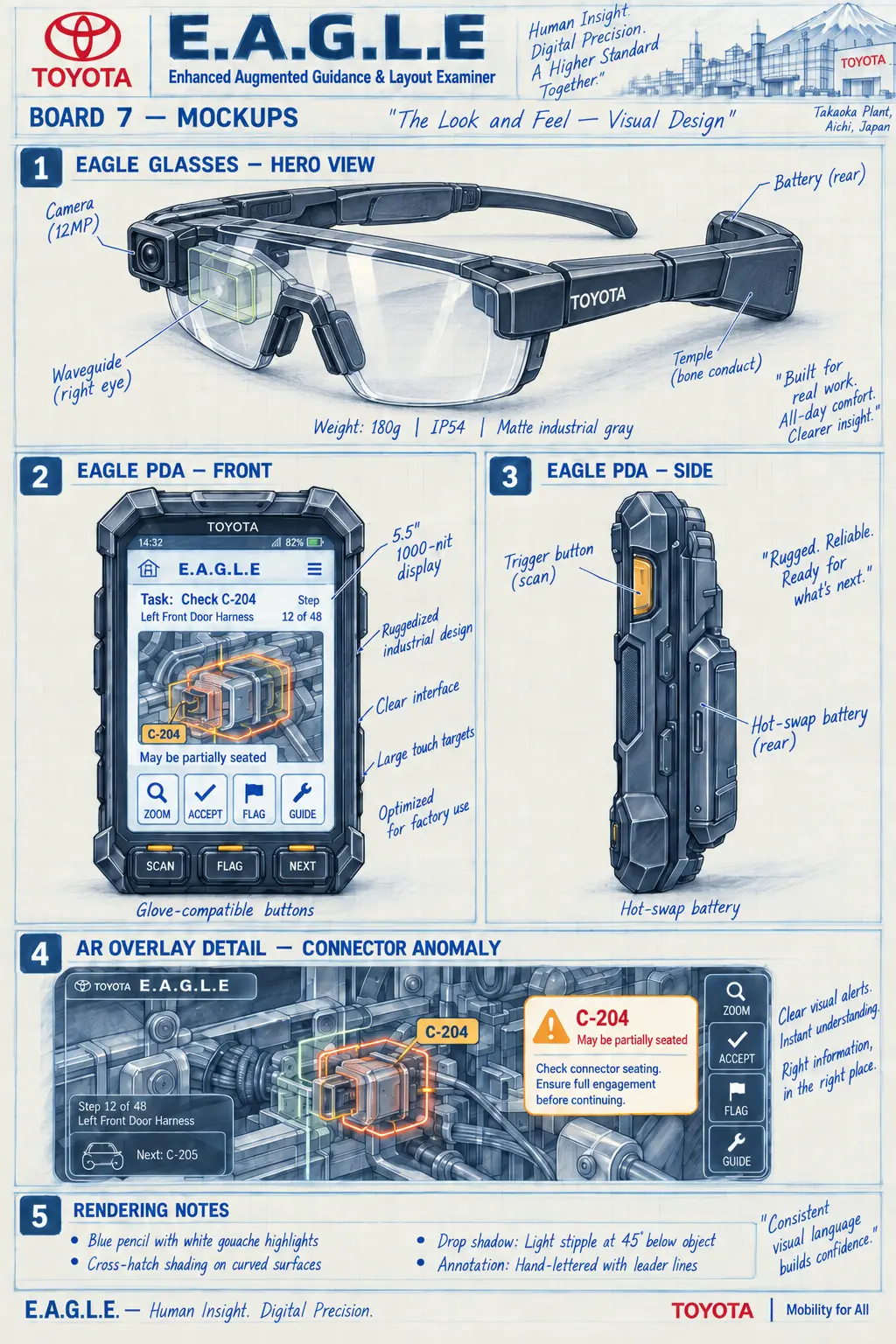
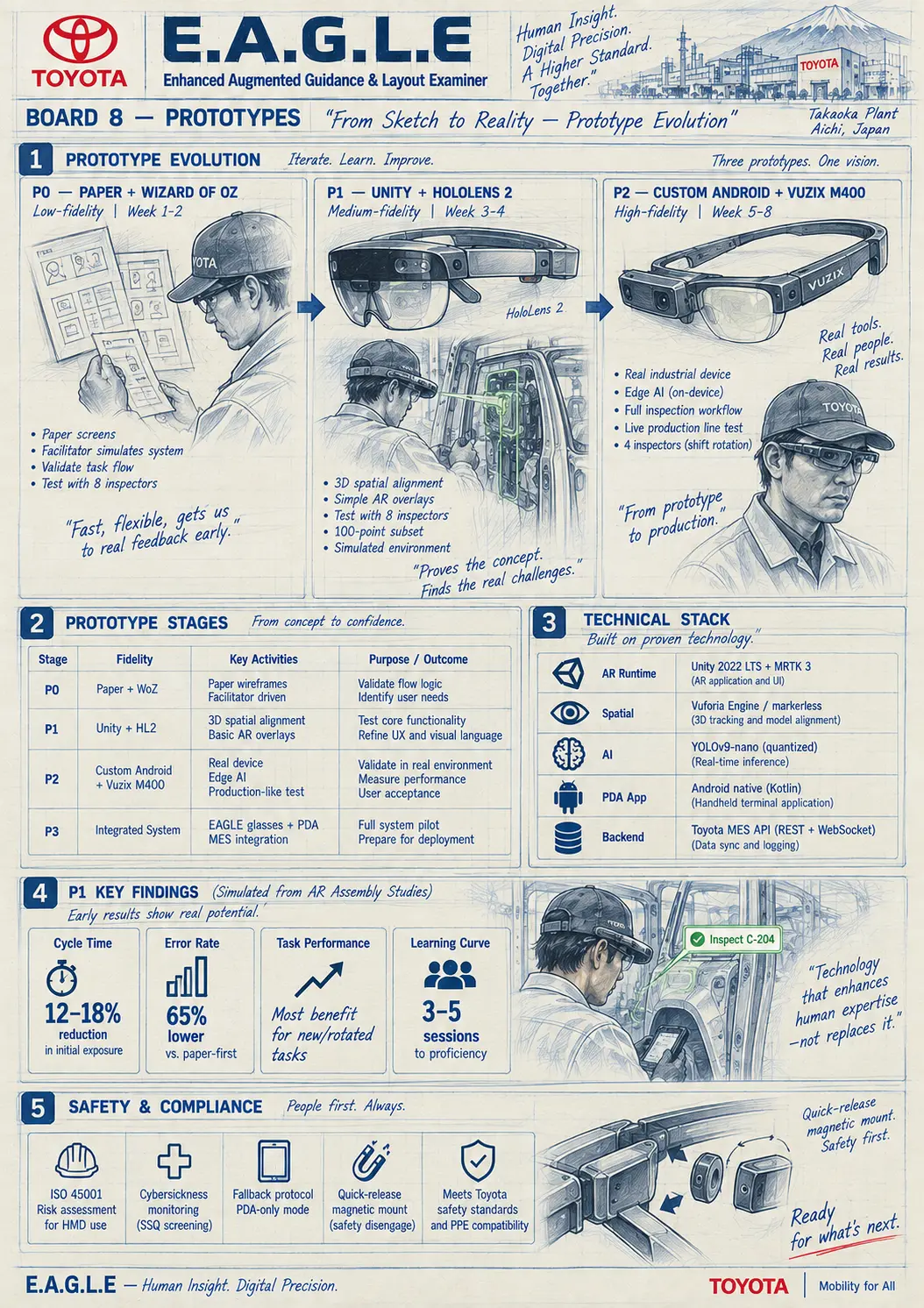
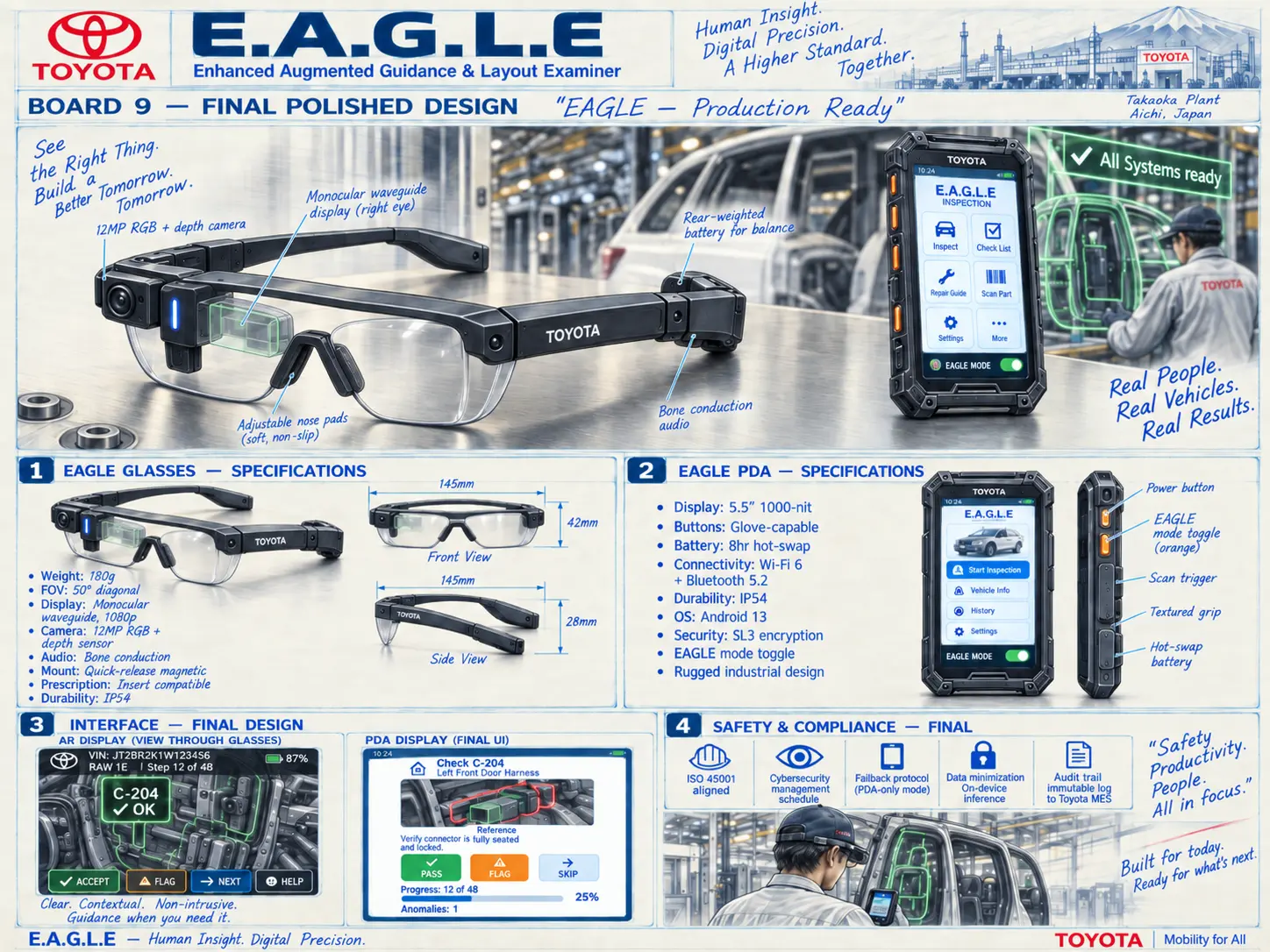
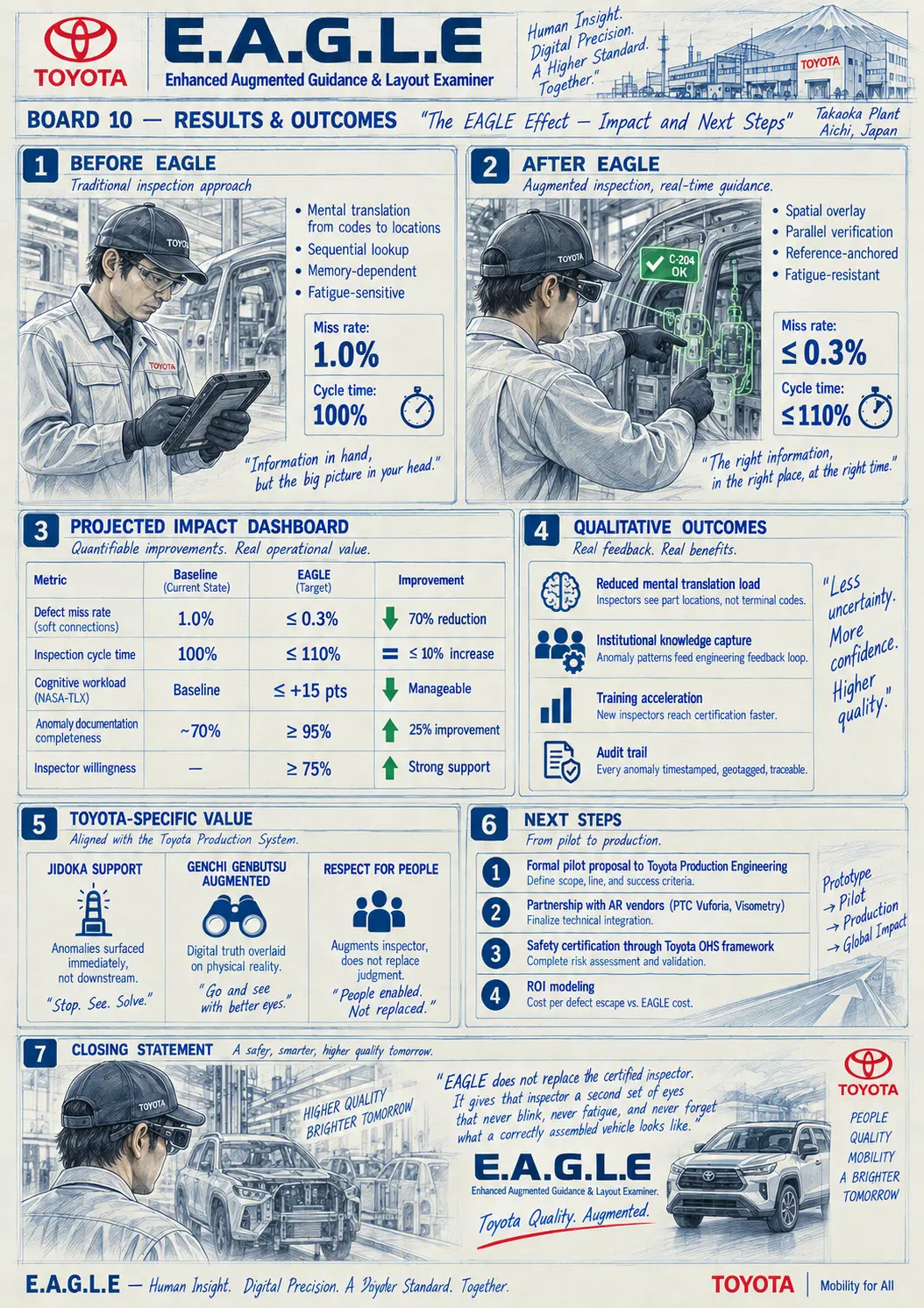
The concept uses spatial computing as a support layer: surfacing relevant information while preserving inspector authority, operational fallback and a clear audit trail.
E.A.G.L.E. is framed as a second set of eyes—not a replacement for expertise. The inspector remains responsible for interpreting conditions and making the final decision.
Future work would validate fit and comfort, optical placement, glove-friendly controls, real-world accuracy, system latency, data governance and measurable impact through a controlled manufacturing pilot.
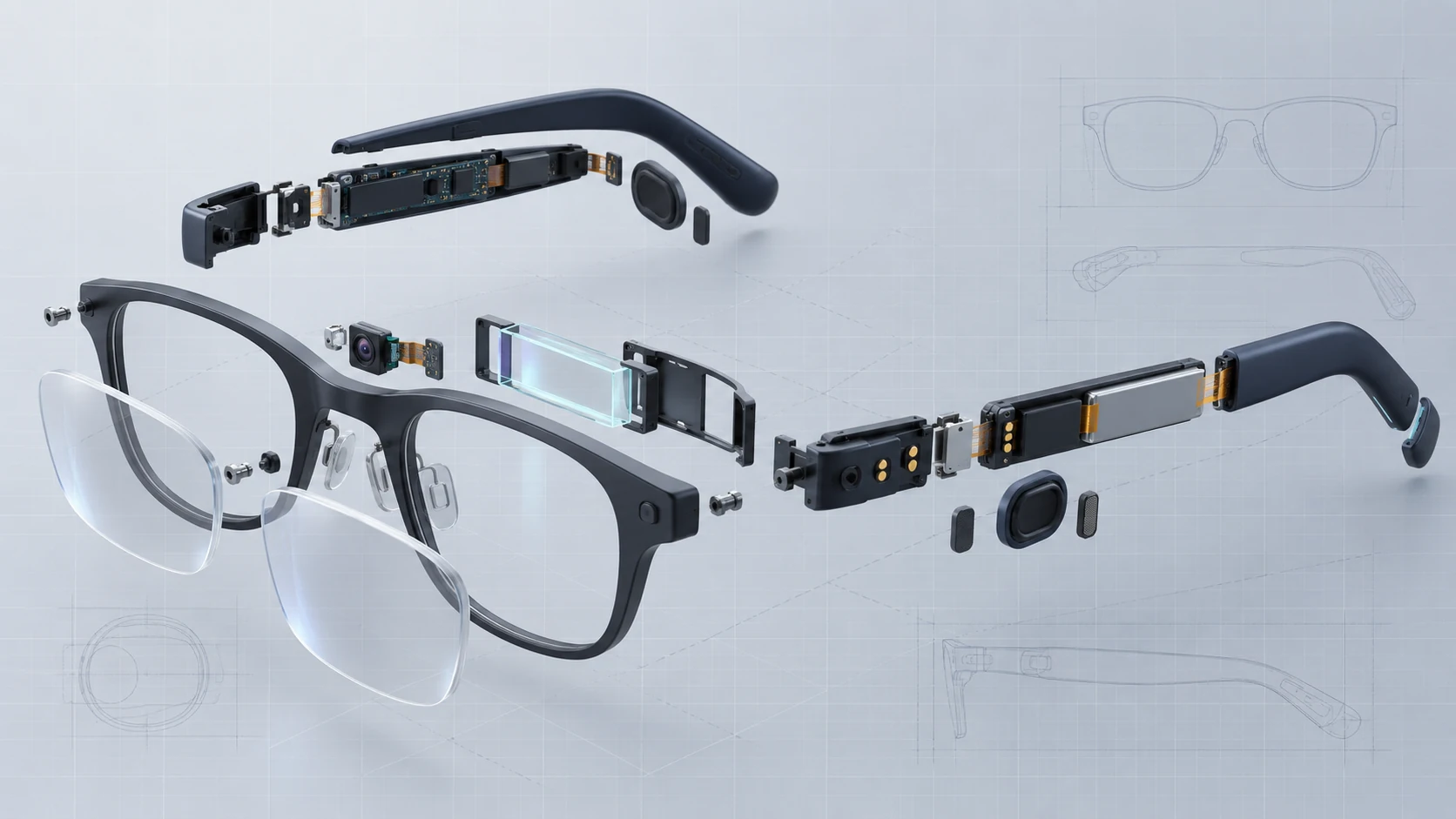
A quiet, privacy-conscious wearable safety anchor for growing independence.
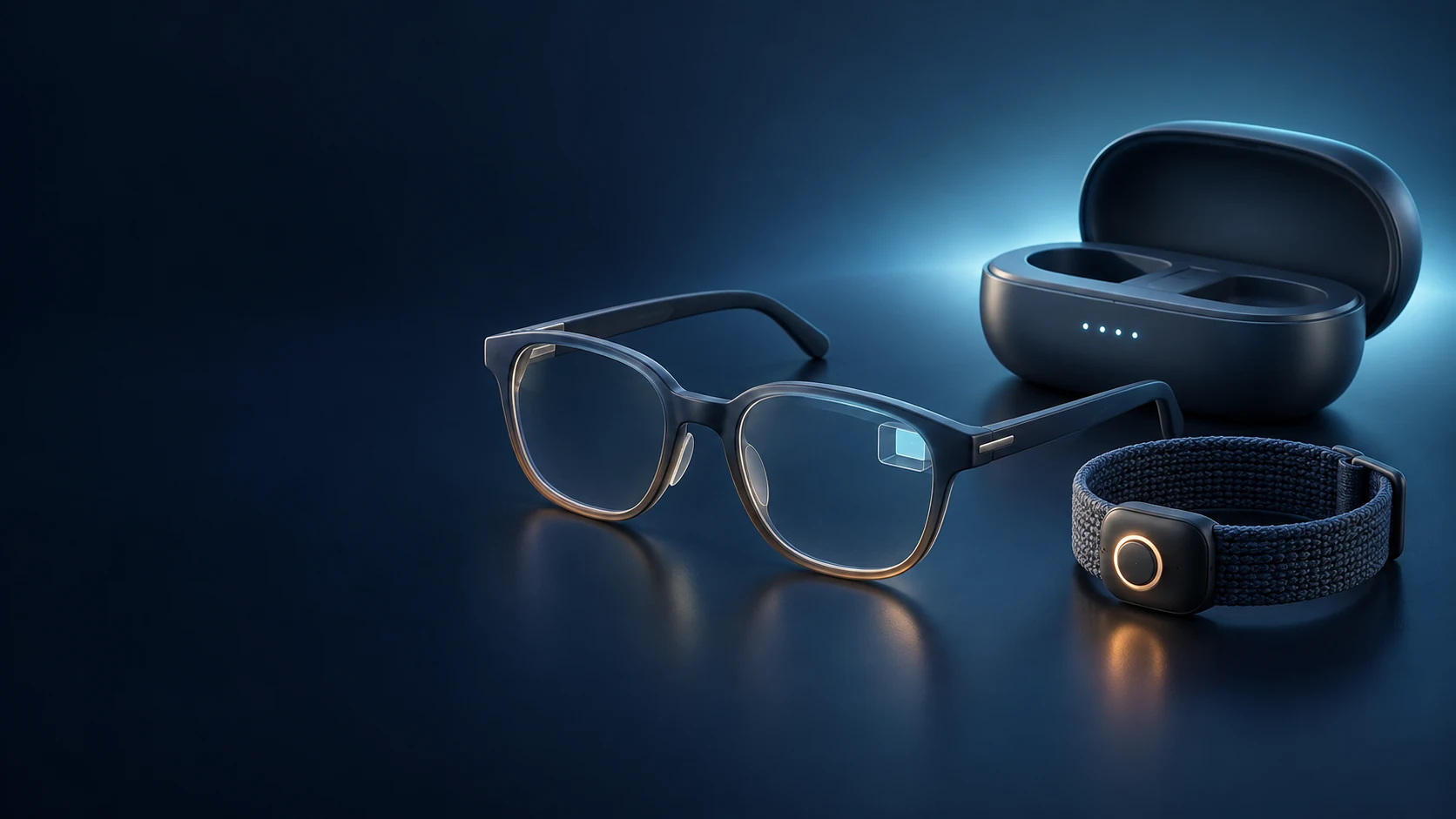
HALO explores a familiar-looking pair of children’s glasses, a companion pulse wristband and a caregiver app. Its purpose is to provide time and context for appropriate adult response through graduated awareness, not to promise prevention of every dangerous situation.
The design prioritizes on-device interpretation, low-friction wearability, a transparent recording indicator, clear escalation states and an editable Trust Circle.
Visual studies follow the idea from the full ecosystem through architecture, materials and everyday use.
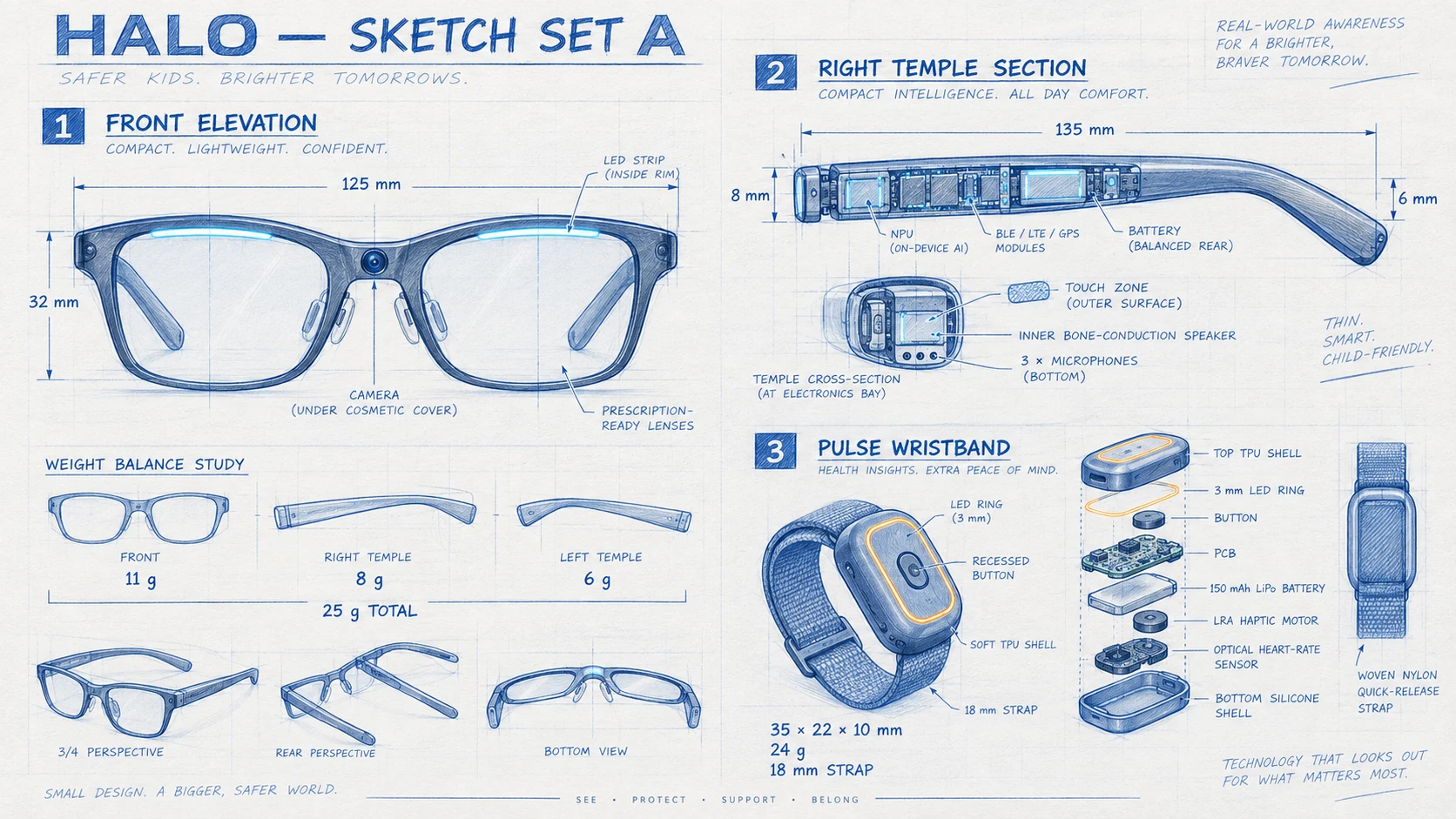
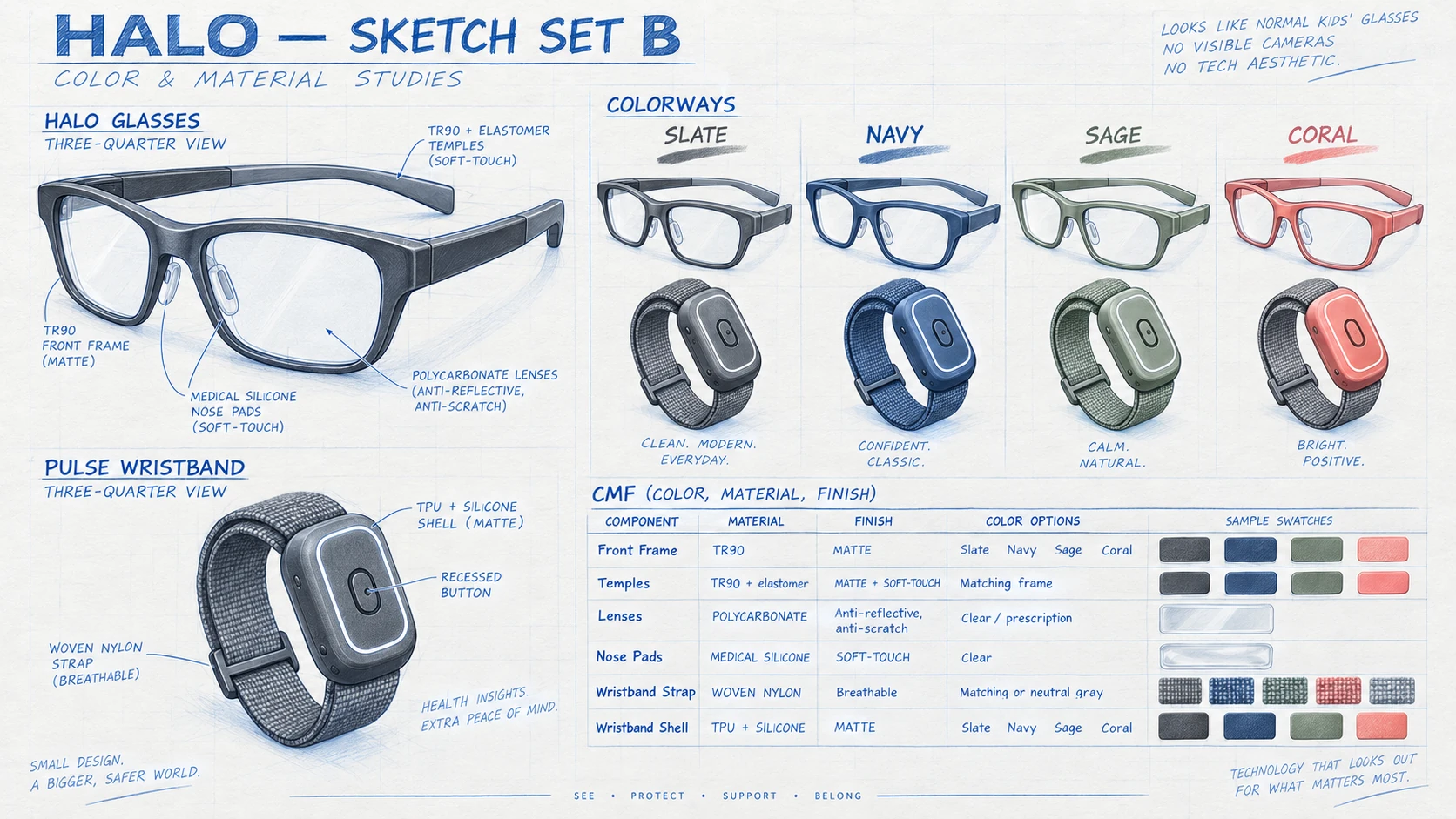

Five core app states and a two-tier experience storyboard explain how a caregiver configures trusted relationships and responds to context-sensitive alerts.
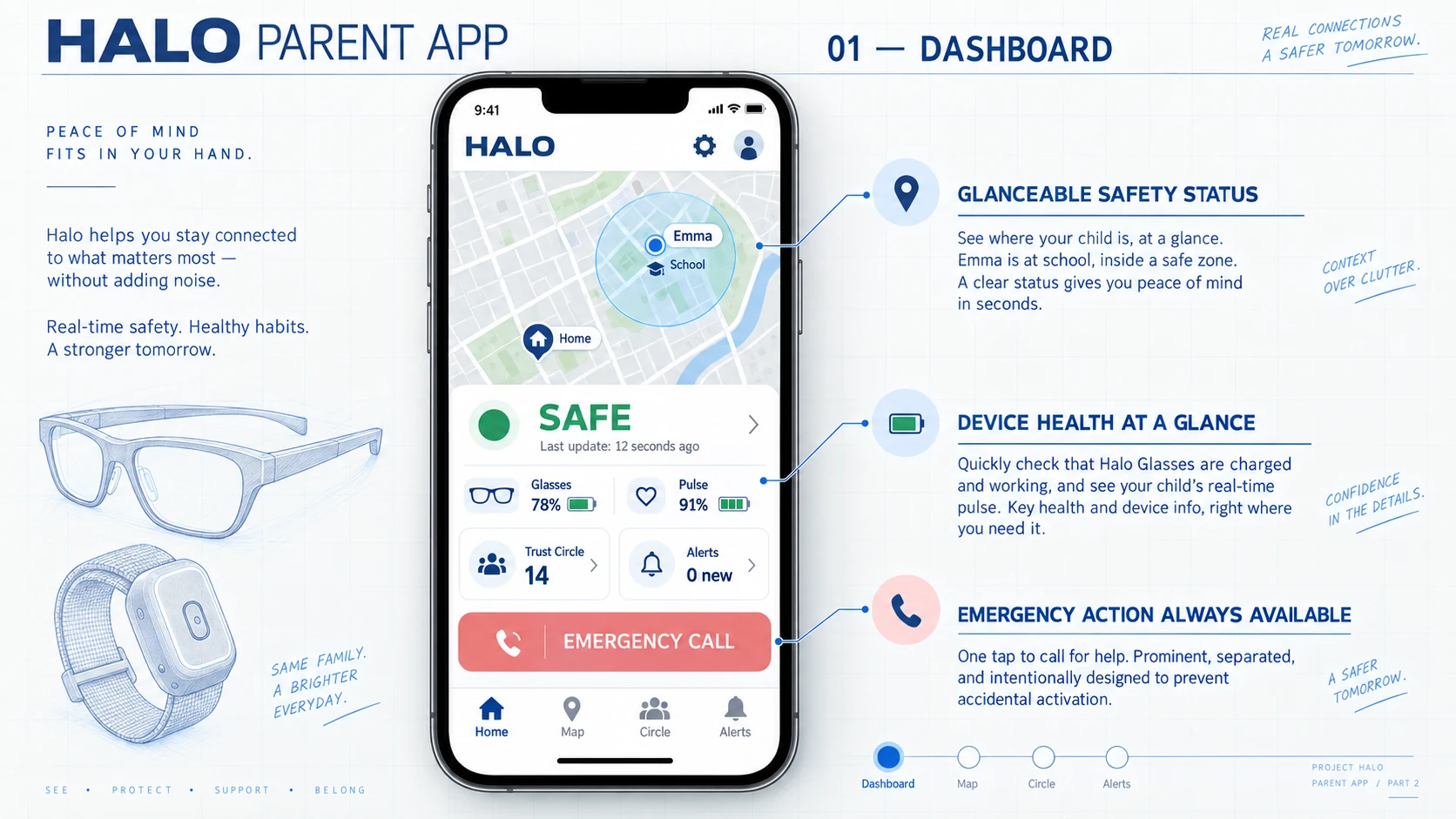
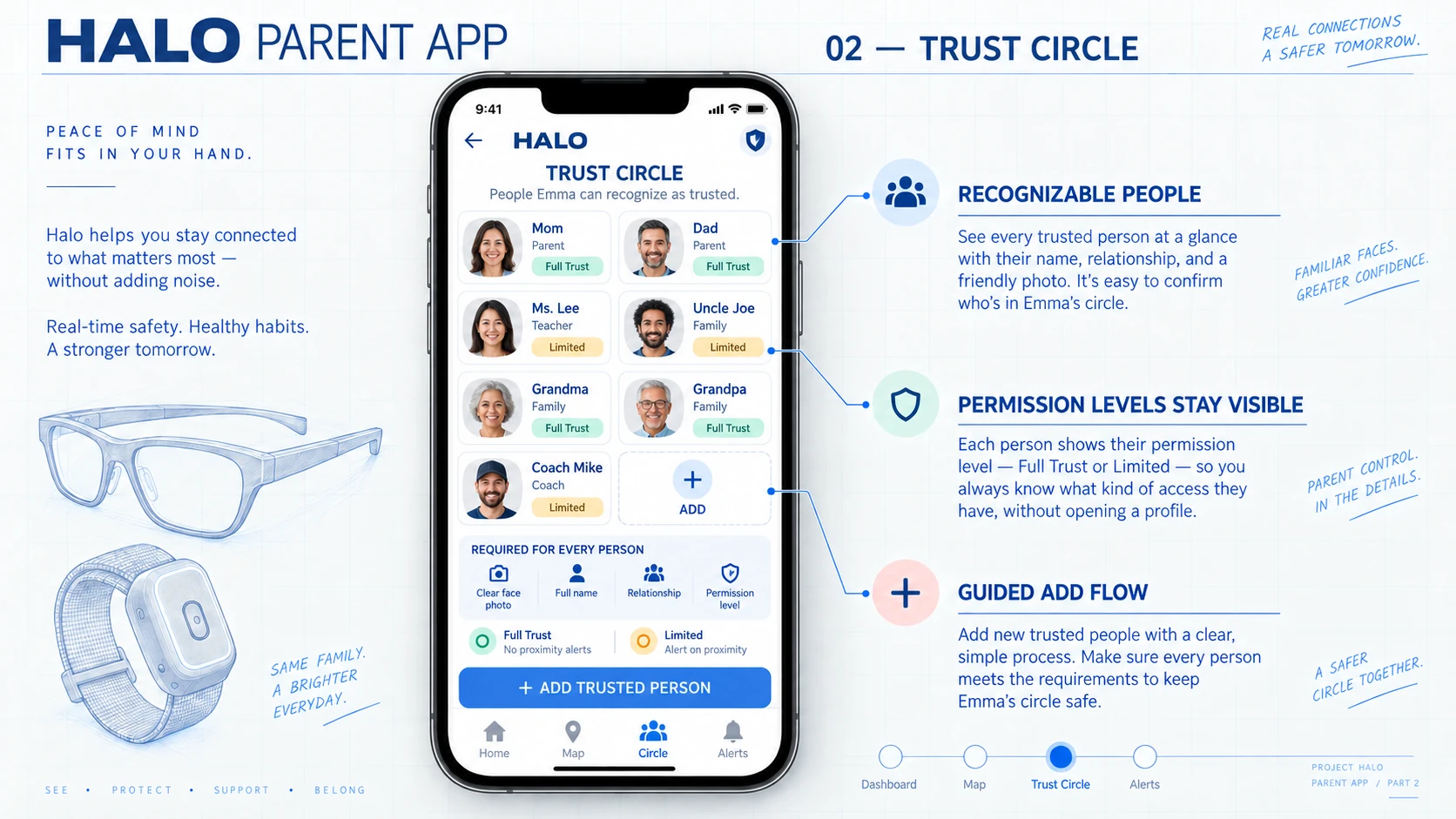
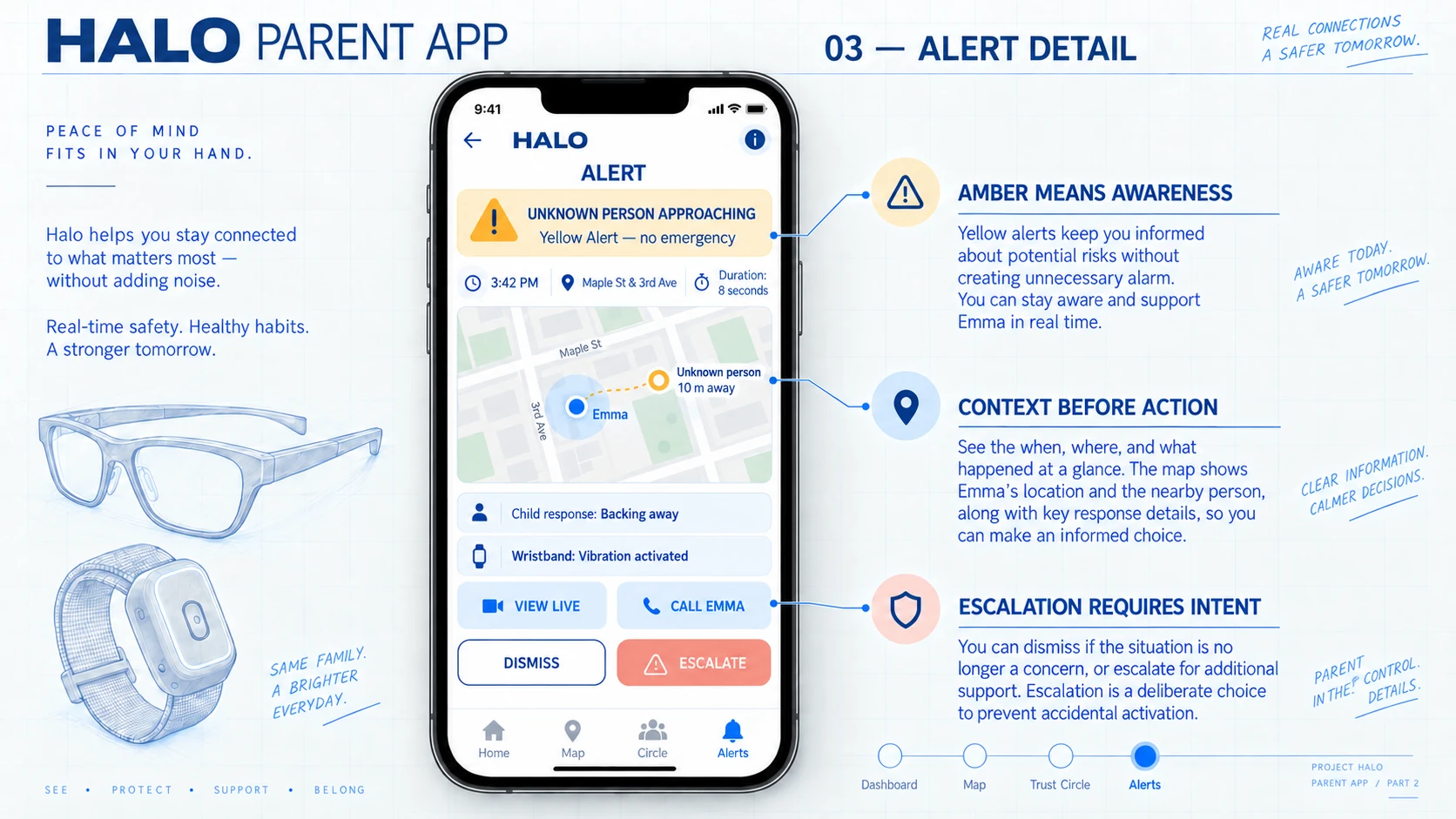
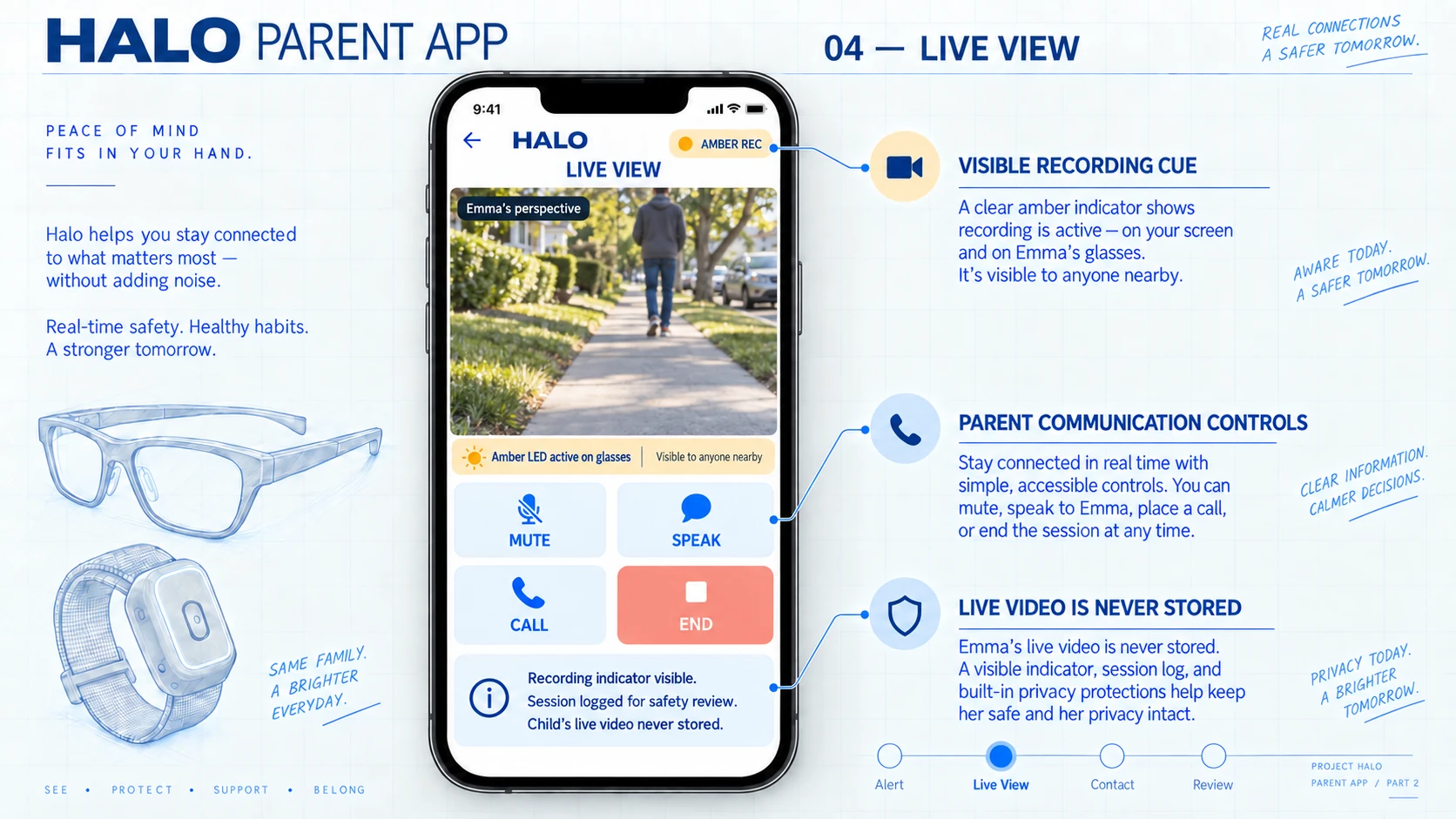
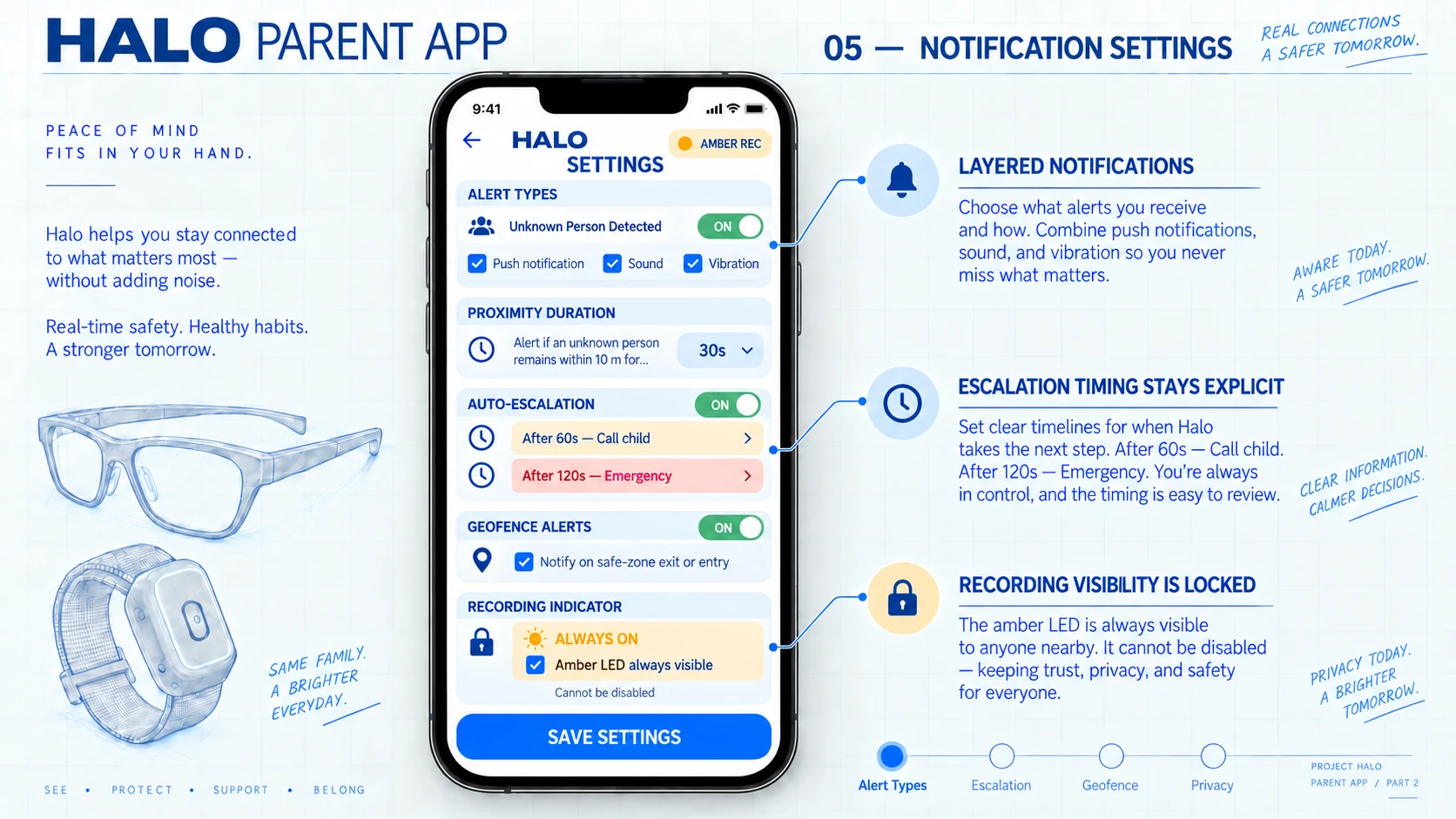
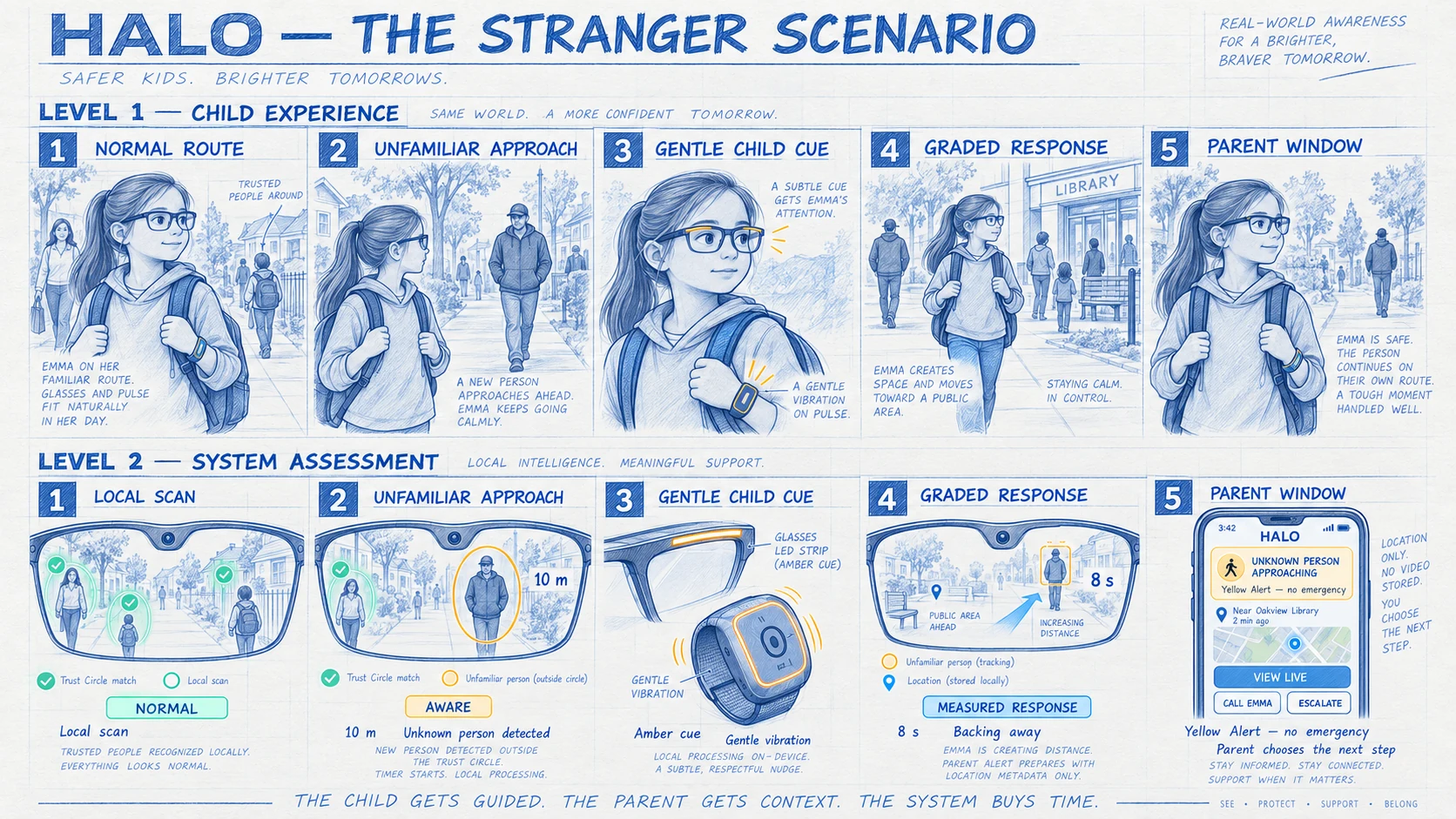
Communicate what the system knows, what it does not know and why a notification was raised. An alert should support judgment, not replace it.
Test child comfort, false-positive rates, parental understanding, consent, recording safeguards, battery life and accessible interaction before any implementation claim.
An immersive steering-wheel concept inspired by the contemporary Lincoln Nautilus.
This study explores extending the rectilinear wheel language into a near-continuous digital ring. The chosen direction makes the illuminated interface a dominant part of the wheel instead of adding another isolated screen.
The visual design asks how information, touchpoints and lighting can remain legible while keeping the wheel pleasant to grip and consistent with Lincoln’s interior design language.
Initial exploration of shape, interface density and the relationship between the steering wheel and instrument display.
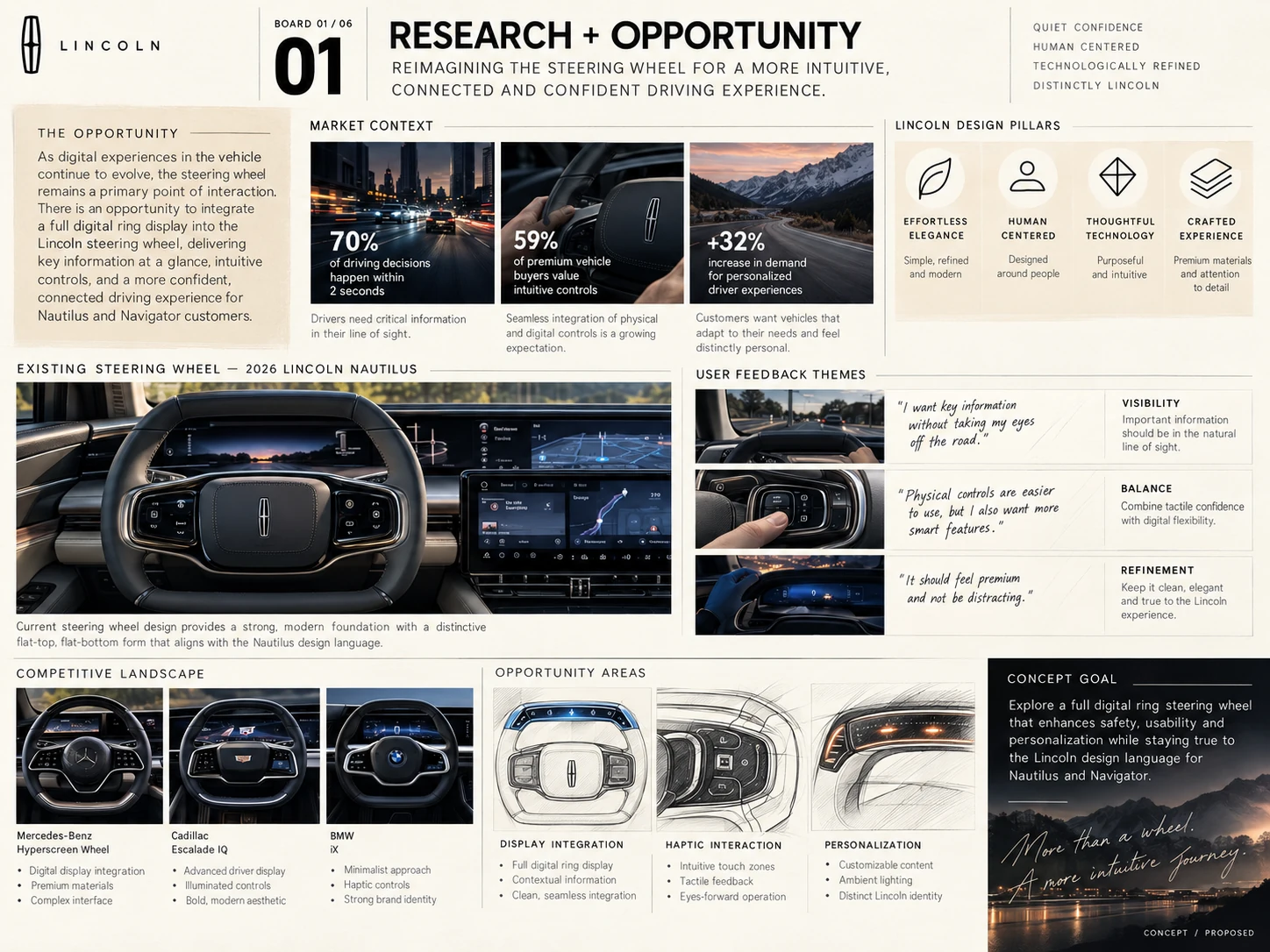
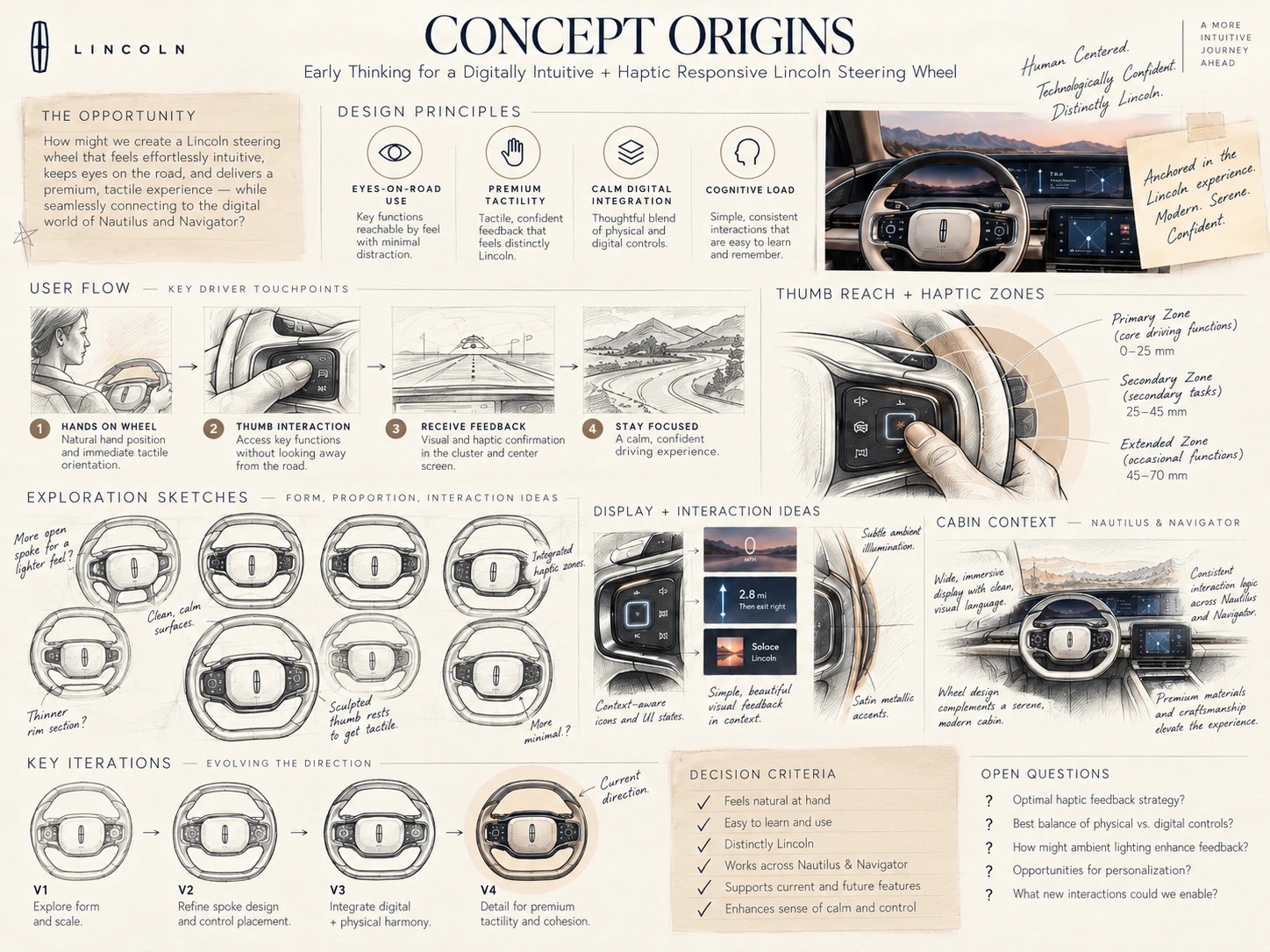
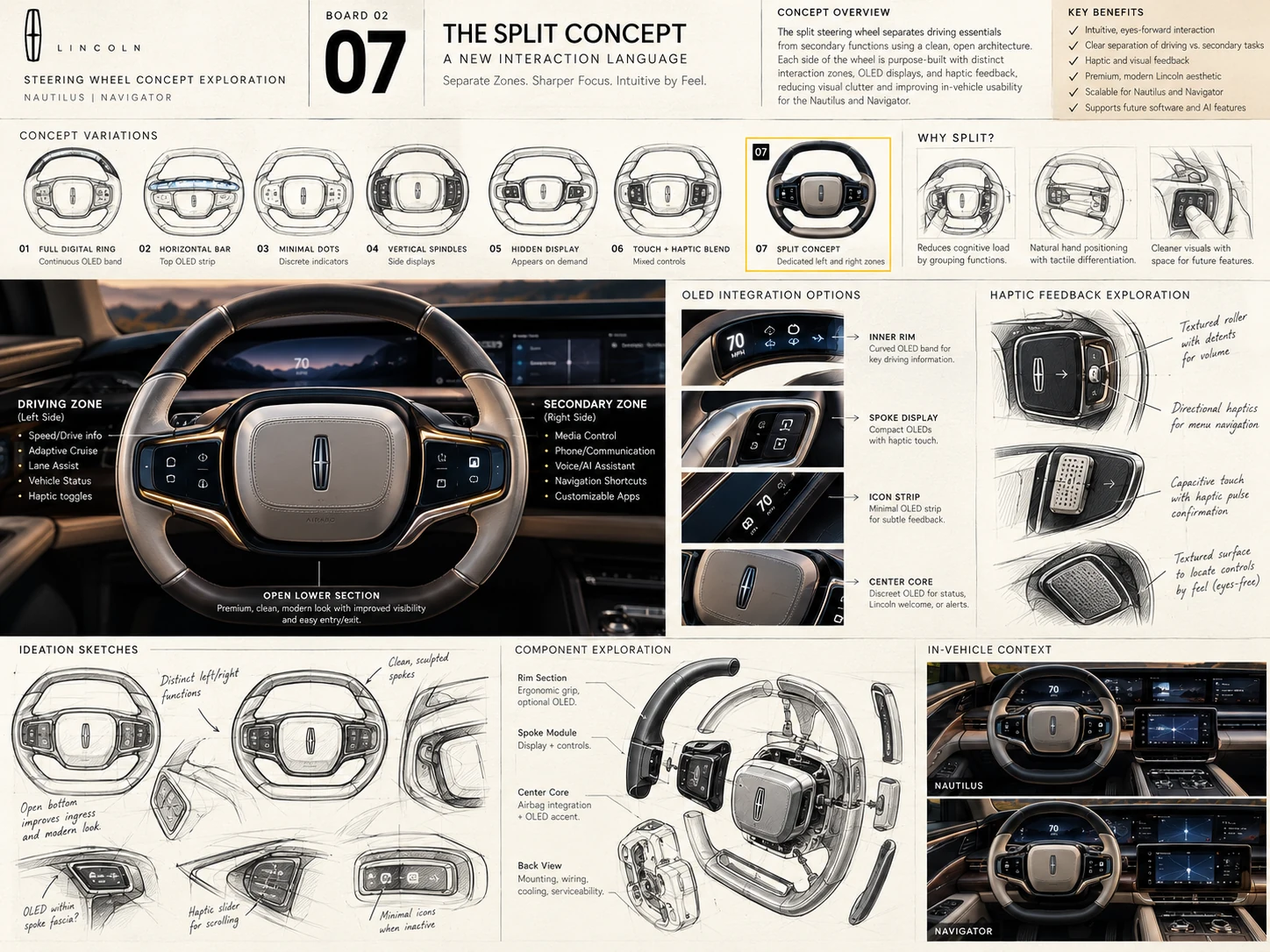
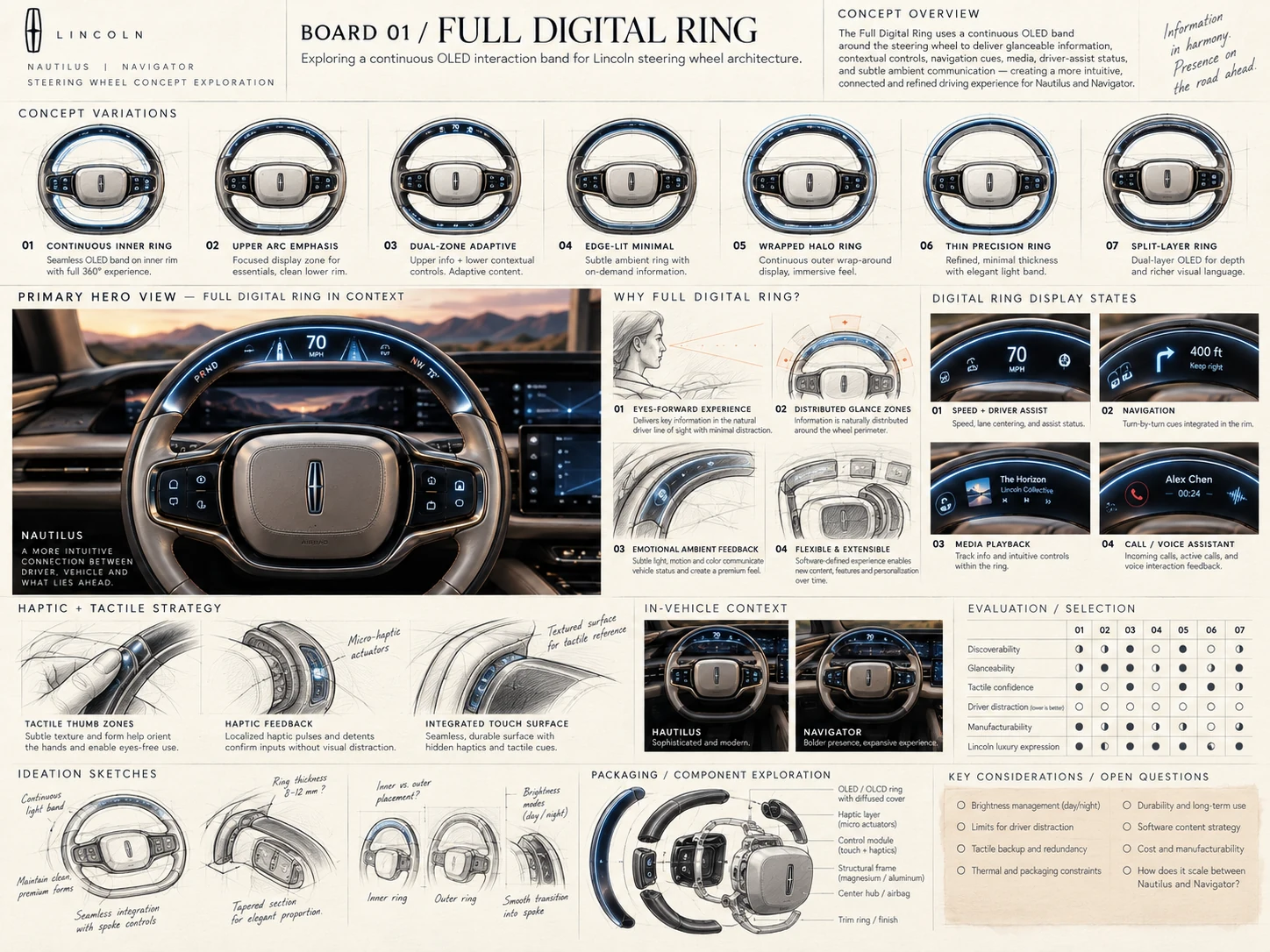
Research, persona, sketches, interaction behaviour, model development and a final production-oriented concept, with the most extensive ring configuration selected for the closing board.
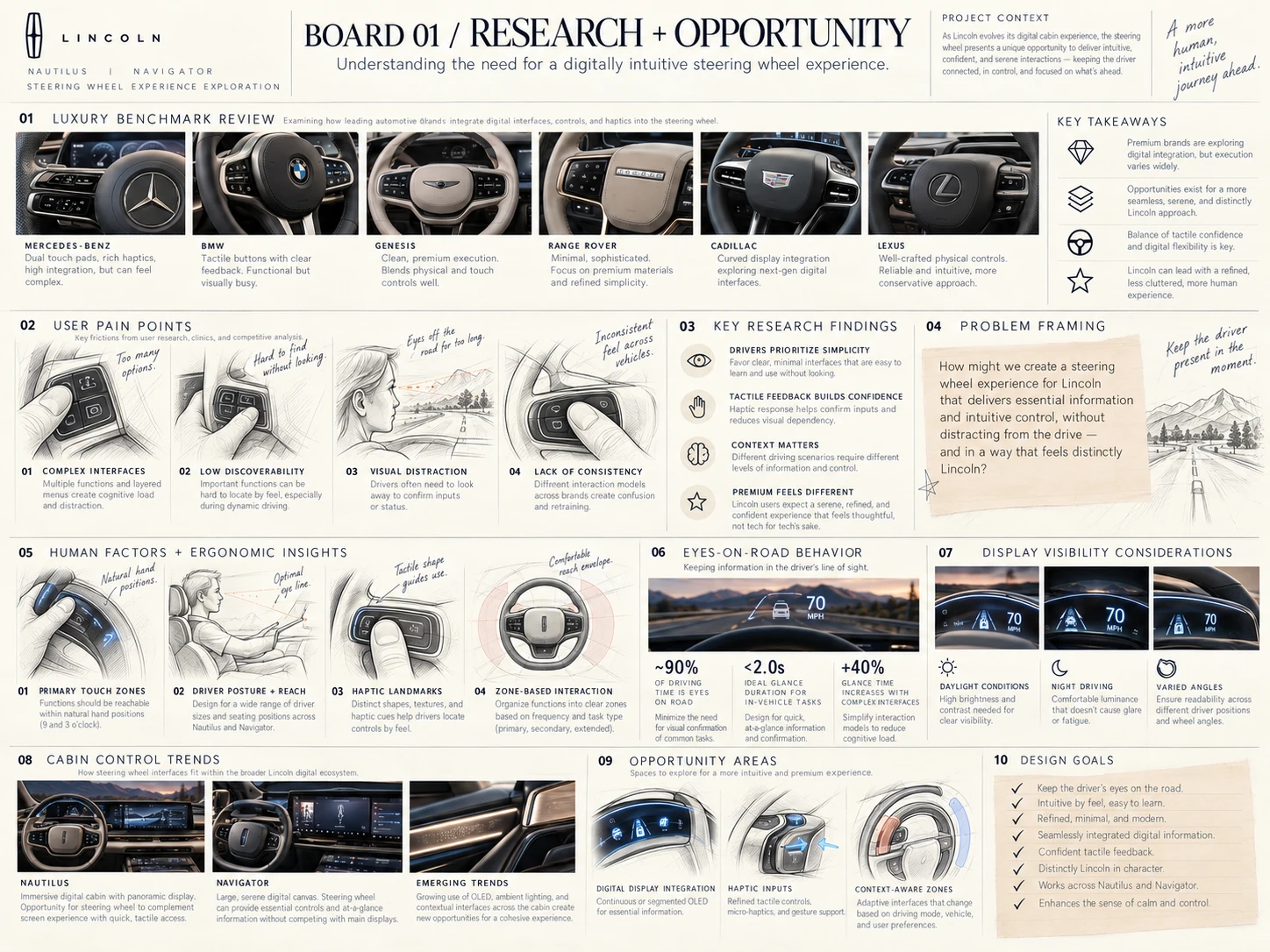
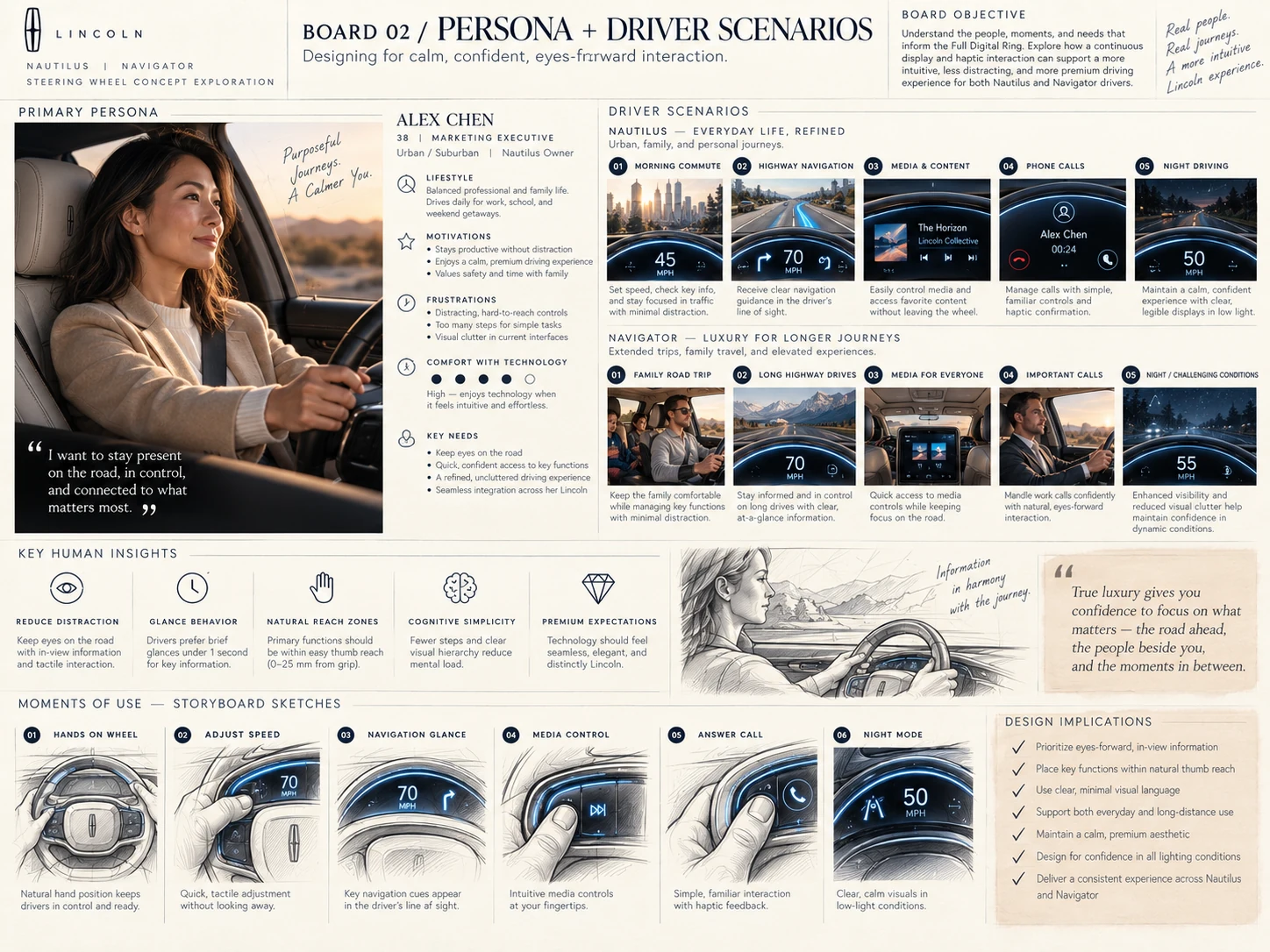
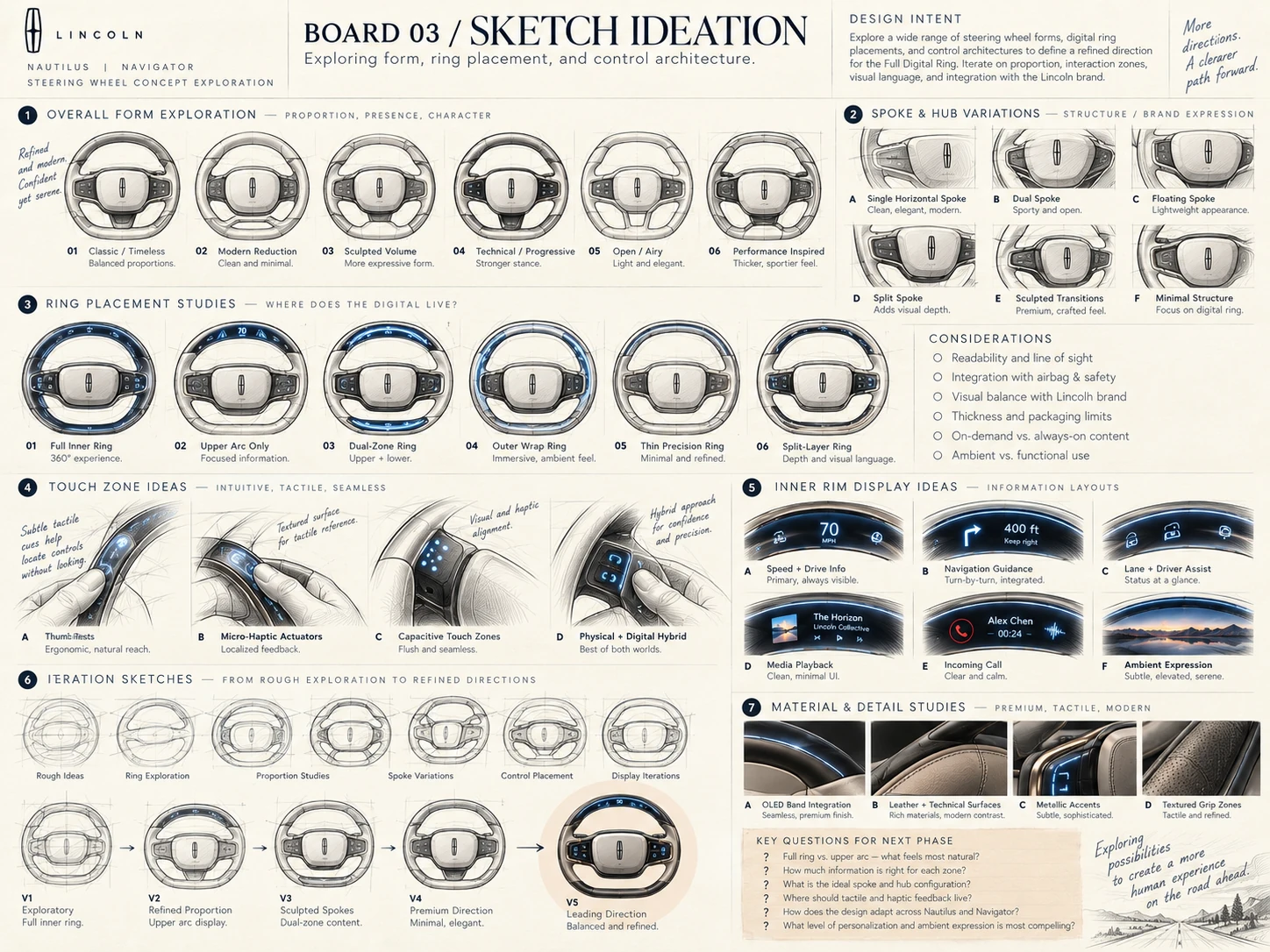
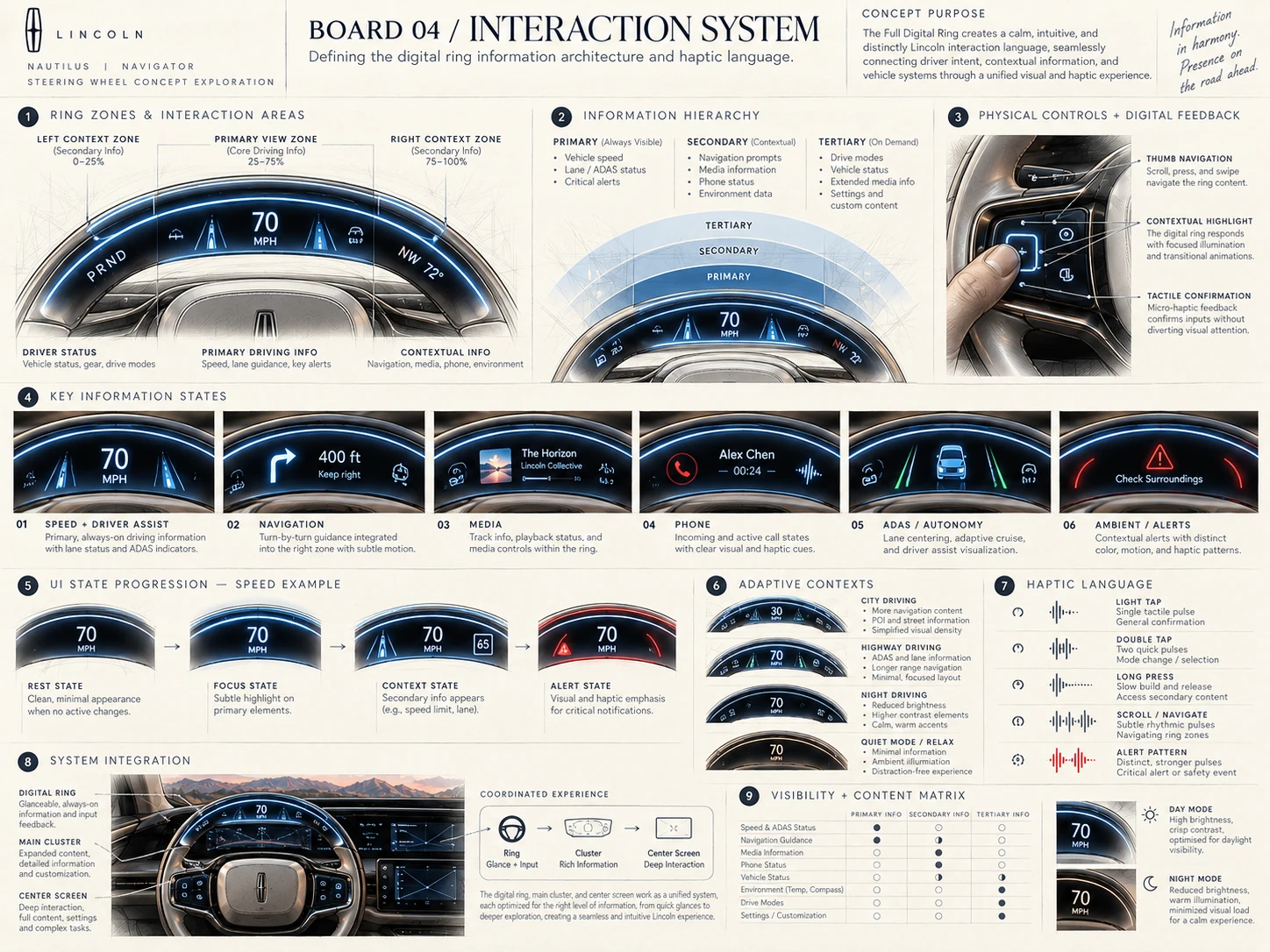
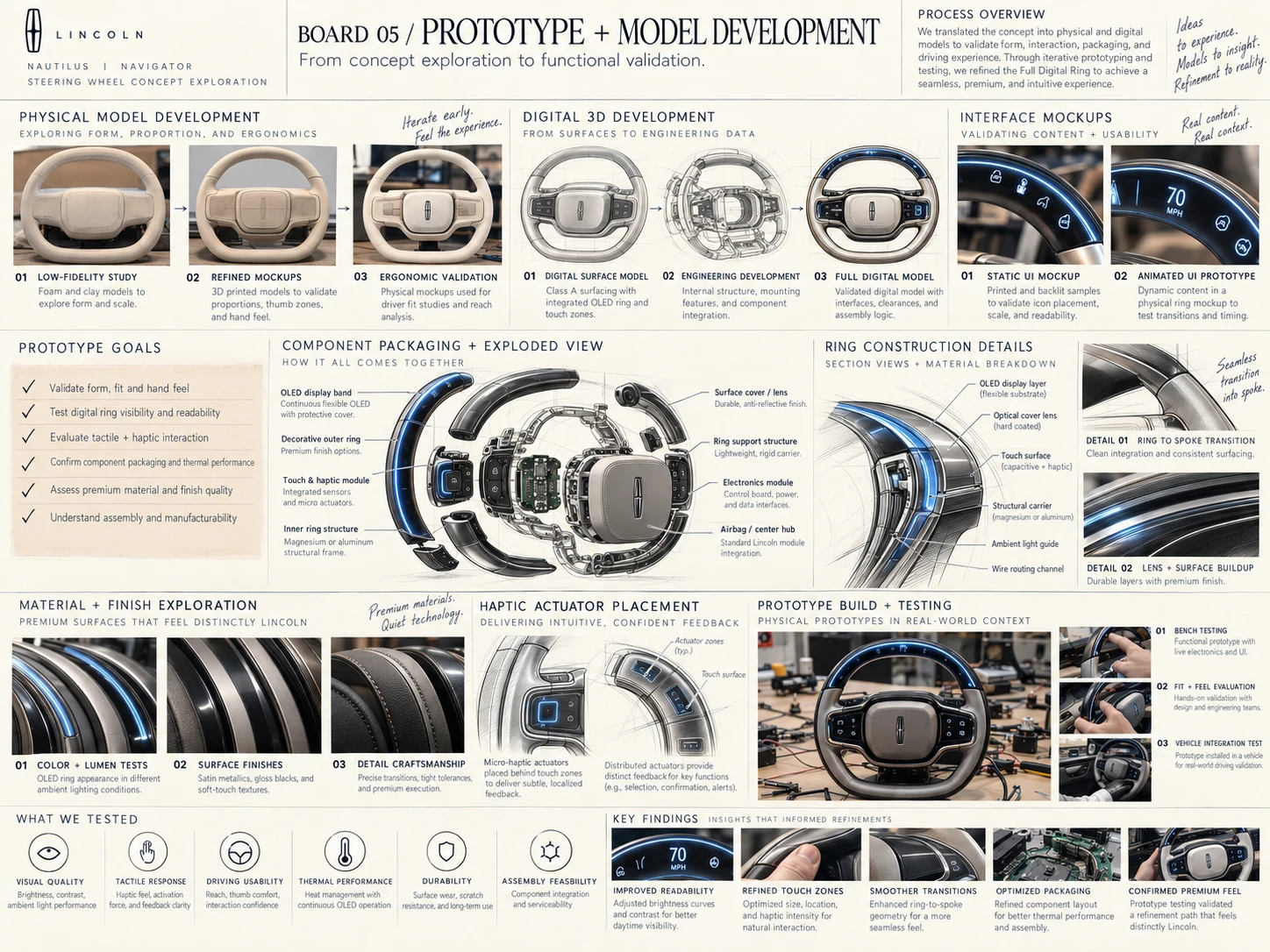
A visual centrepiece that joins the steering wheel and dashboard through one coherent lighting and interaction language, while preserving practical driving tasks.
Test display readability, distraction, touch and grip, electronics durability, driver-control regulations, thermal management and airbag deployment before claiming a production-ready system.
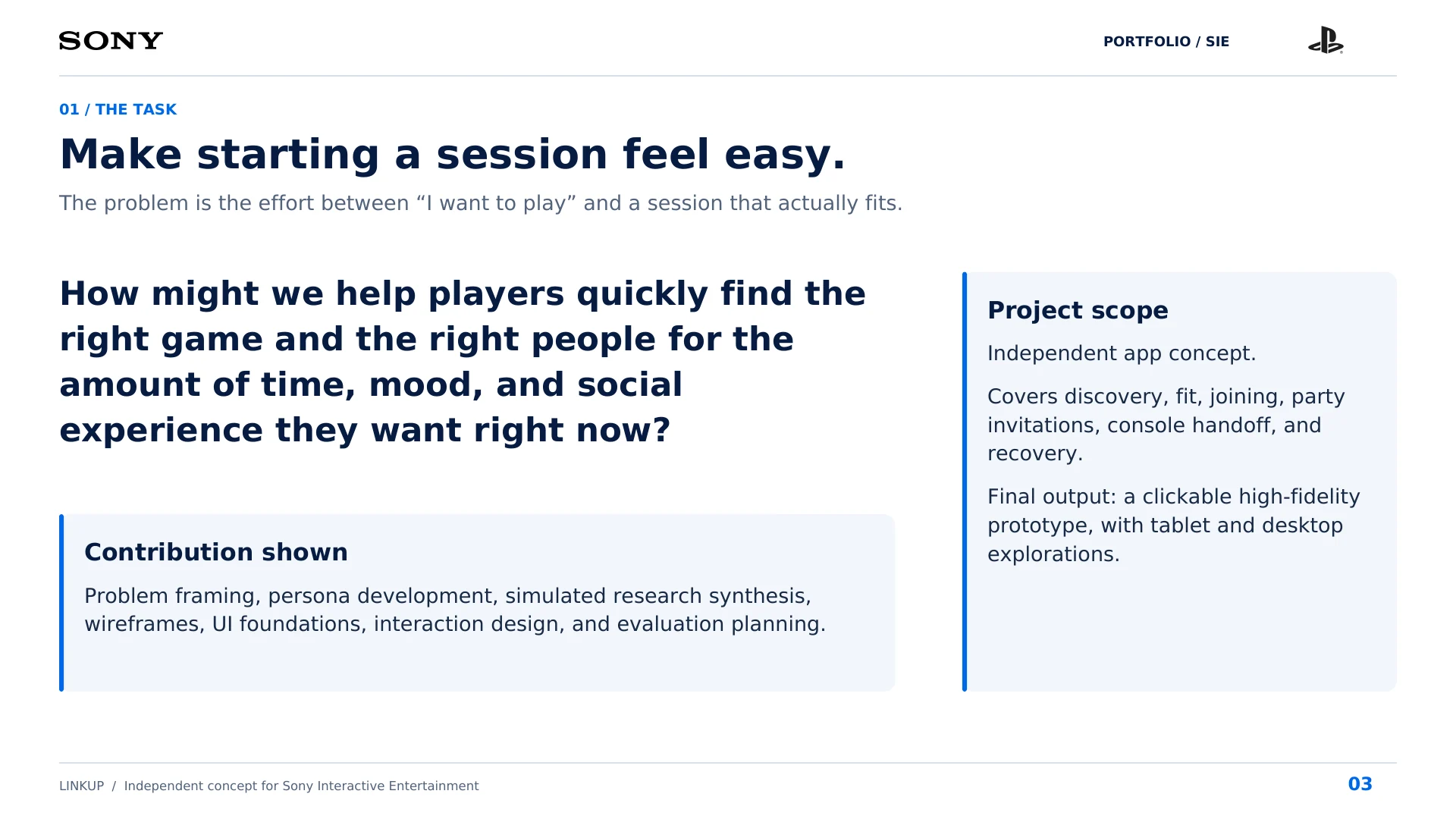
An independent PlayStation-oriented concept, from player needs to a complete high-fidelity prototype.
 INDEPENDENT CONCEPT / SIE

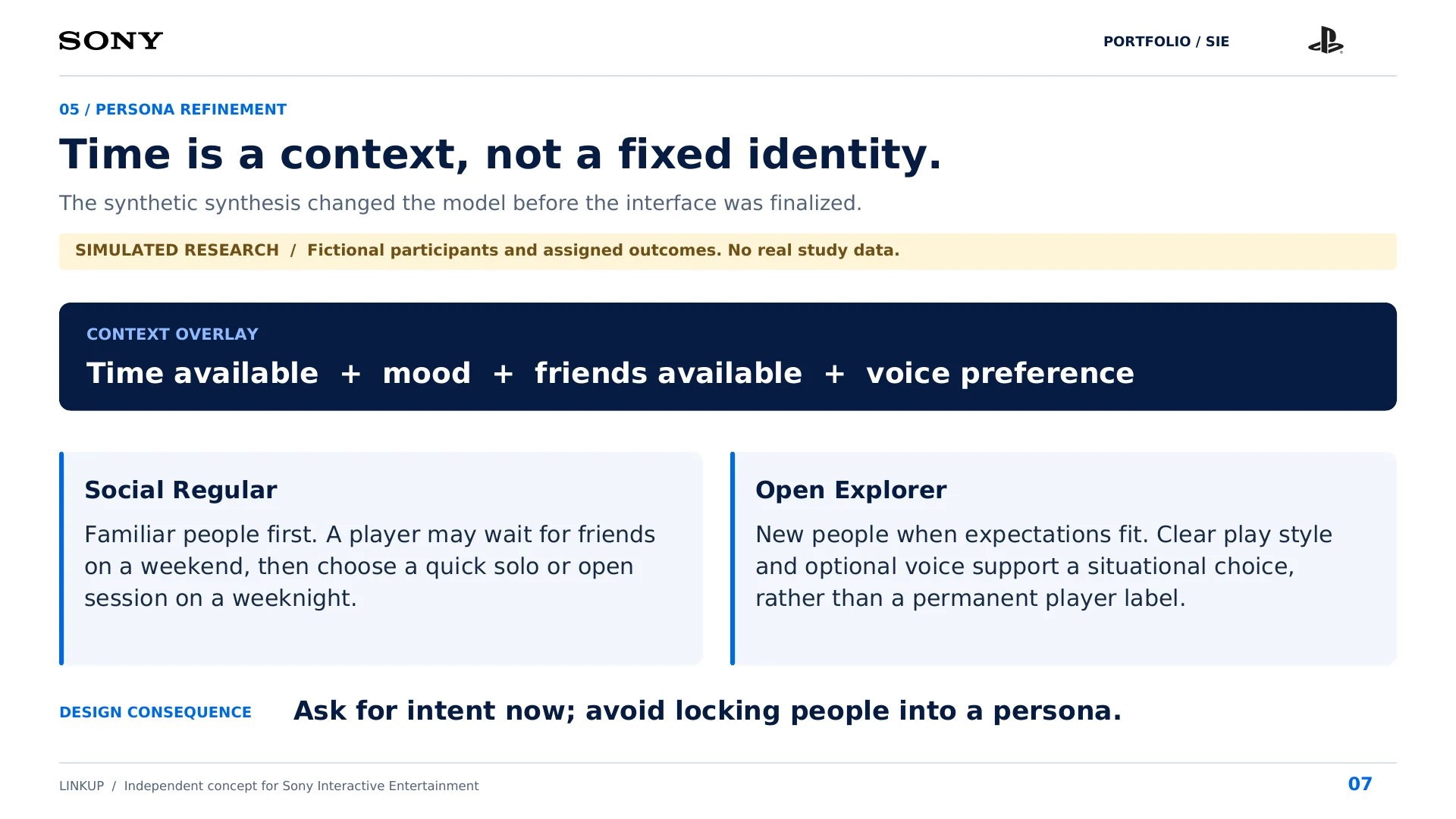
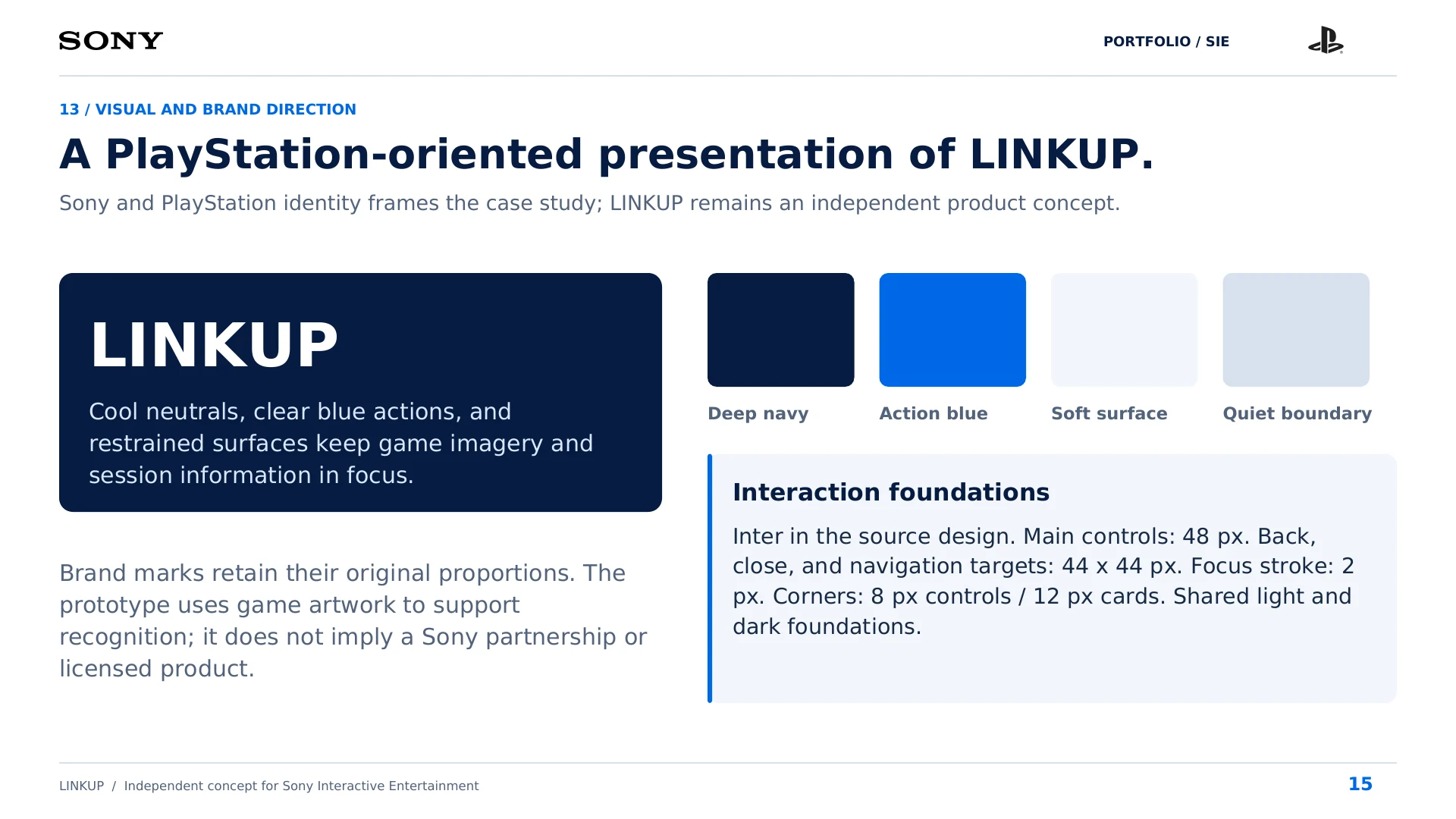
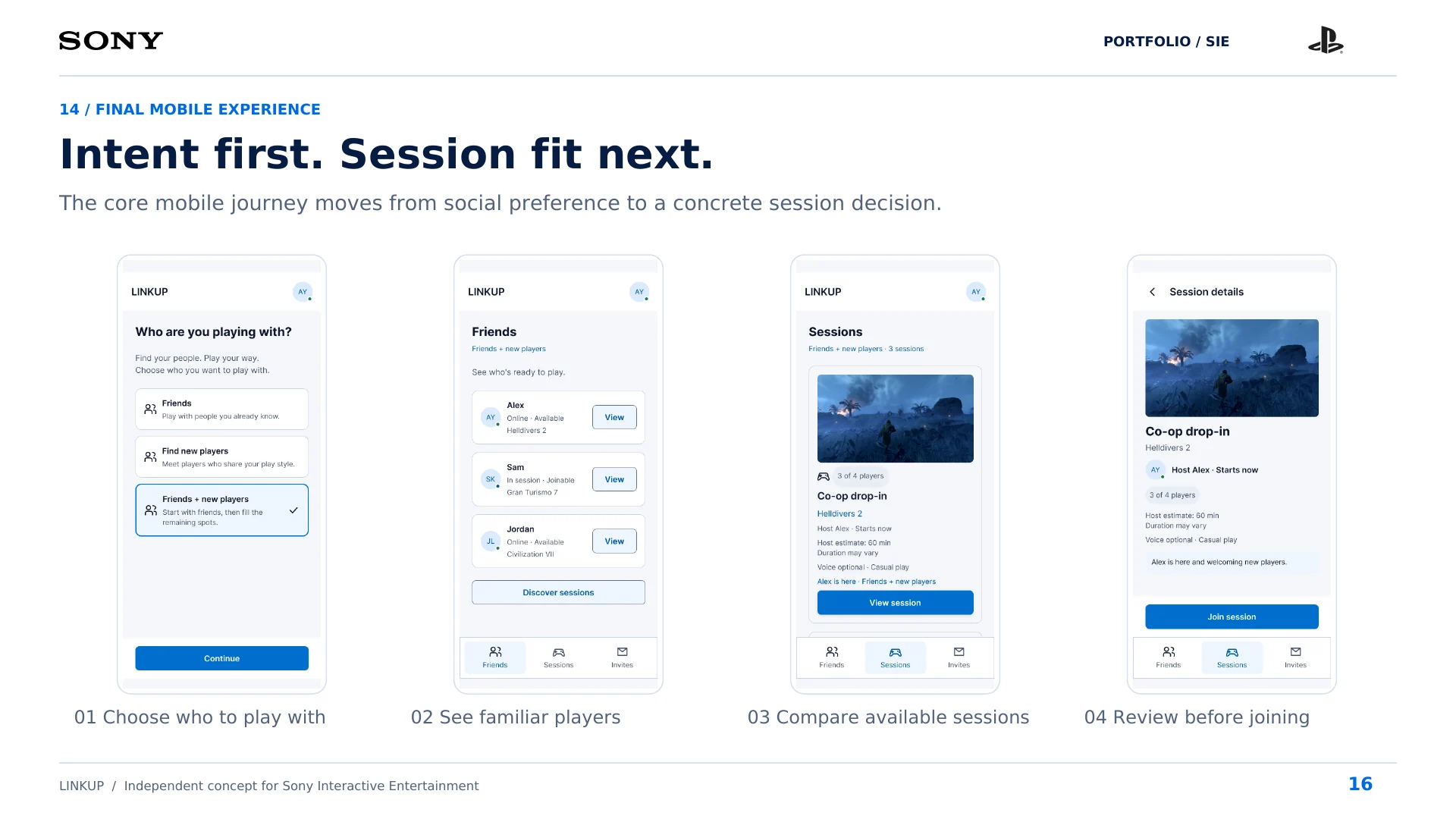
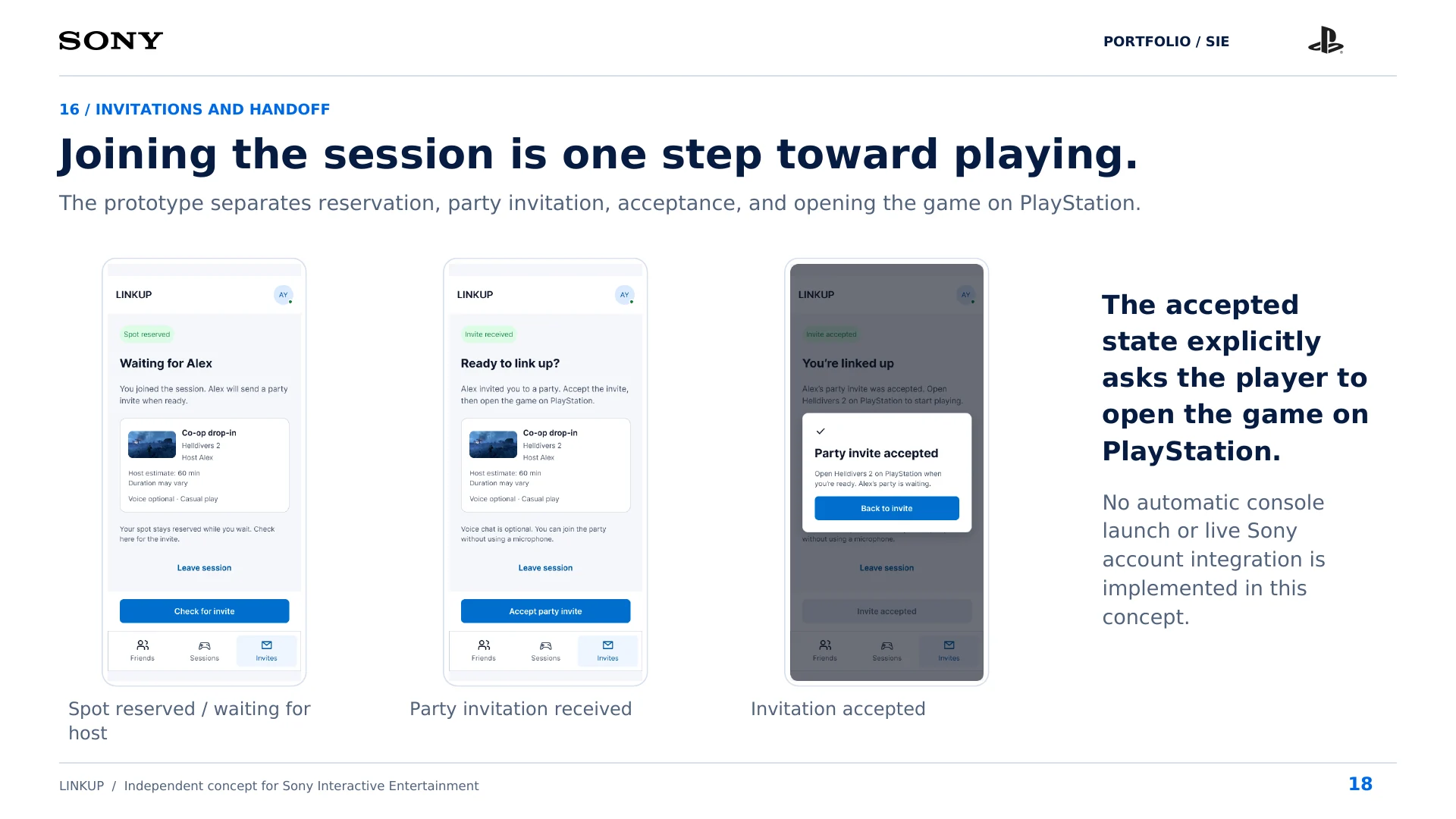
LINKUP asks how players can find the right game and people for their available time, mood, and social preferences. The design connects discovery, session fit, reservation, party invitations, console handoff, and recovery.
Design scope: problem framing, behavioral personas, simulated research, synthesis, wireframes, visual foundations, interaction design, responsive layouts, and evaluation.
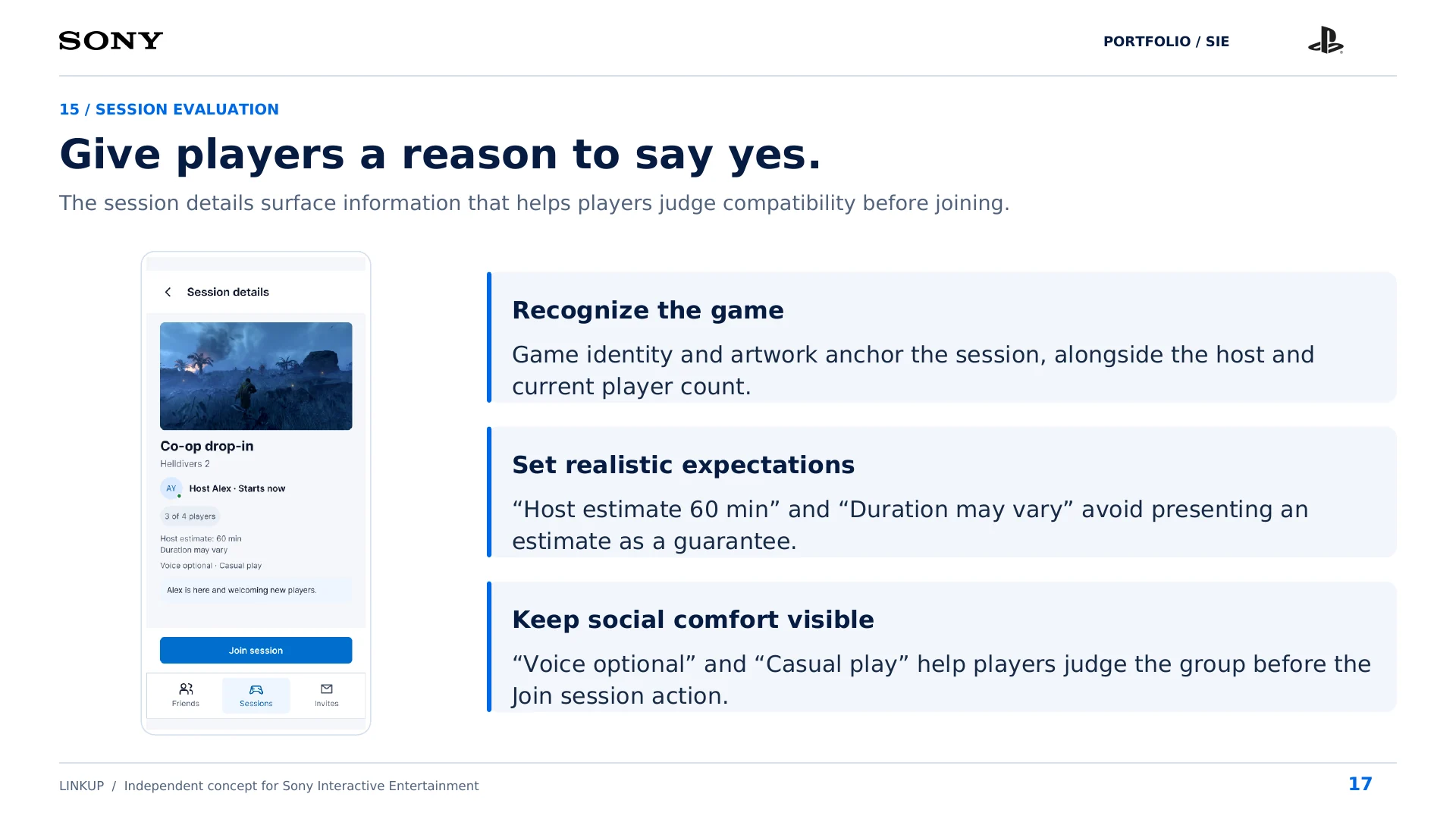
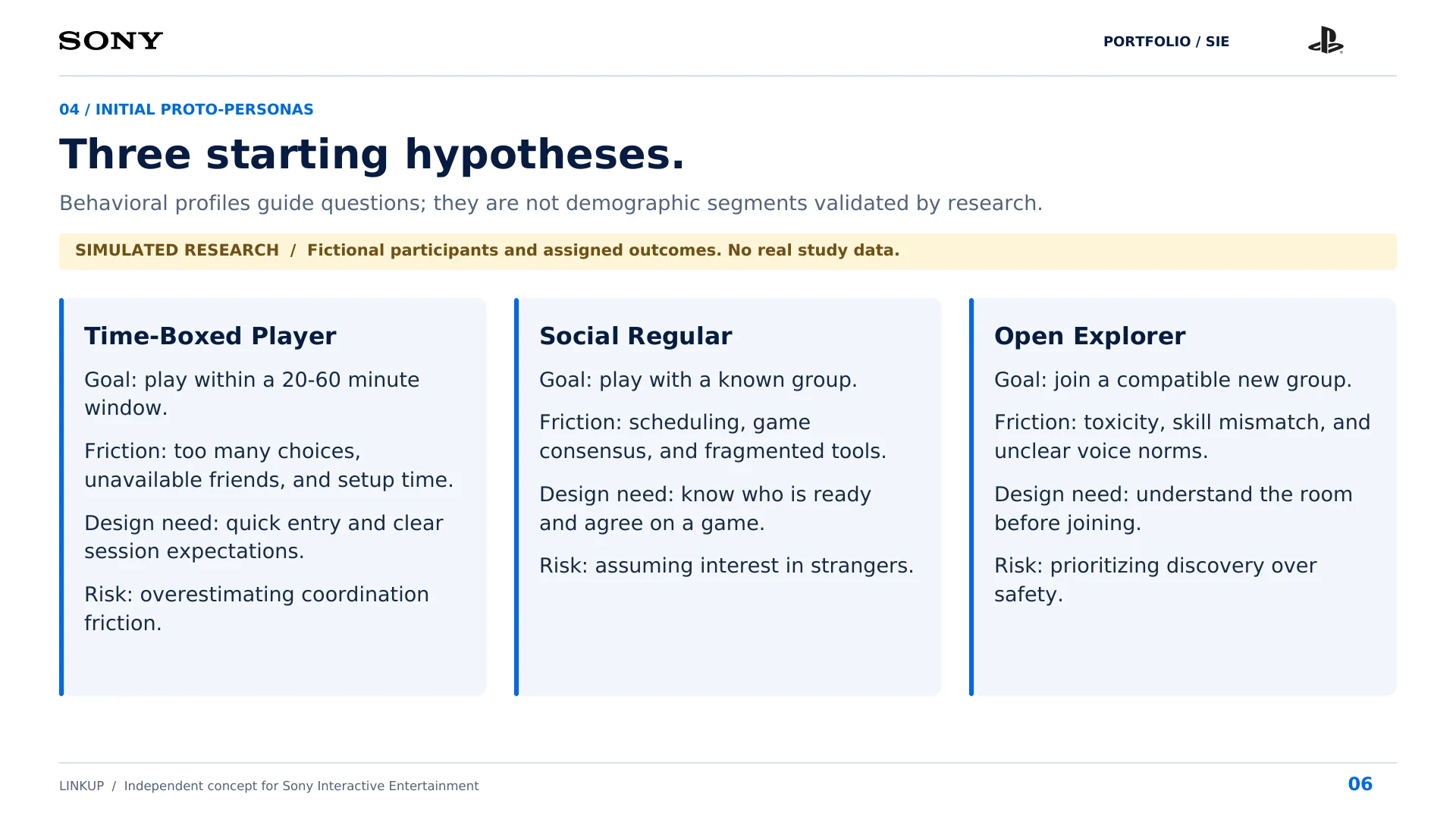
Illustrative composite personas; the scenarios and images do not represent real research participants.
Problem: coordinating people consumes his short play window.
Need: see who is ready and judge session length quickly.
Problem: unfamiliar groups feel uncertain when expectations are unclear.
Need: understand the play style and group before joining.
Problem: voice expectations make joining uncomfortable.
Need: know voice is optional and quiet play is welcome.
All 27 approved boards appear in sequence. Open a board at full size or expand its text below.
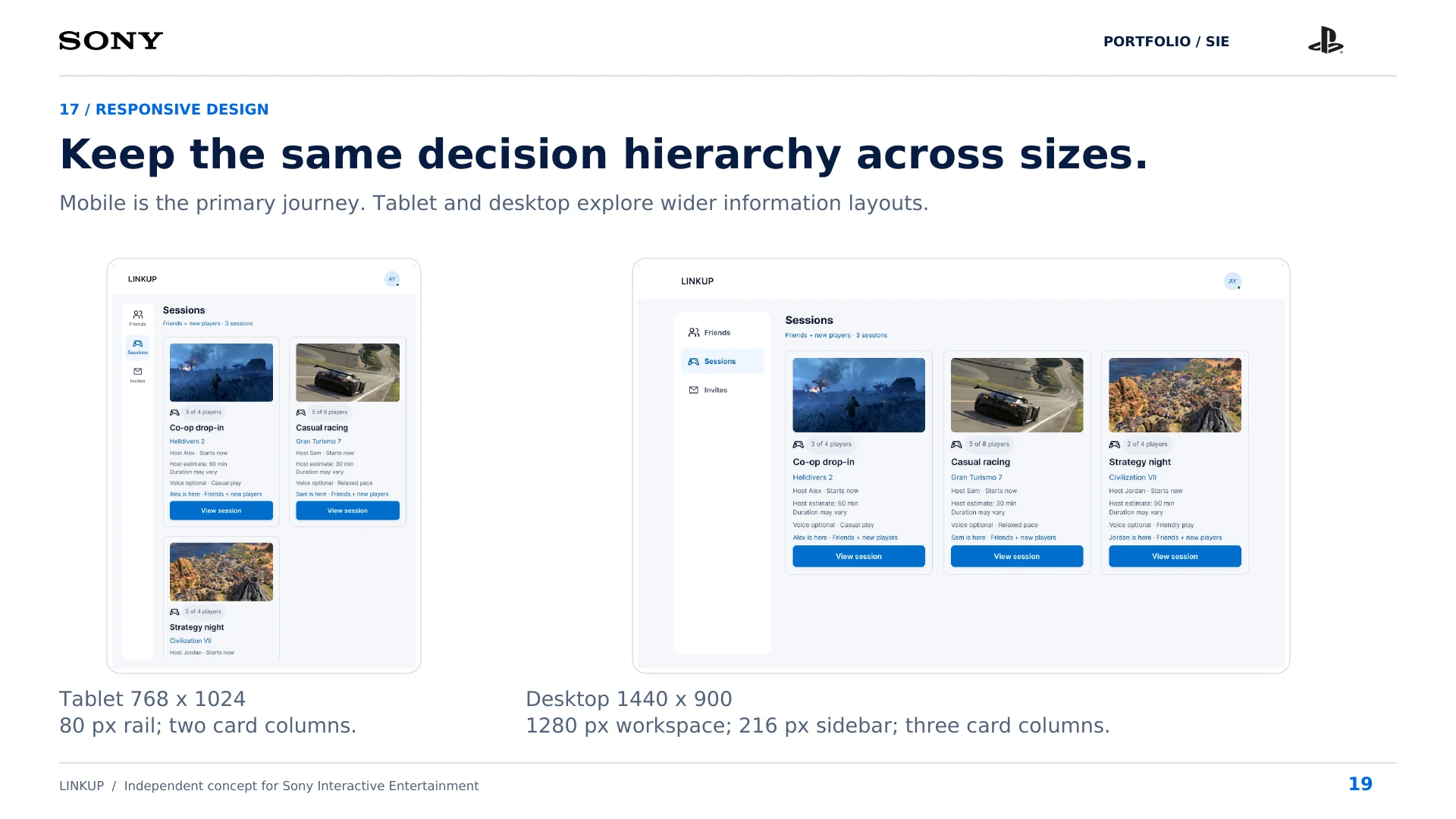
Player needs → task and assumptions → personas and research → journey and sketches → wireframes and iterations → UI foundations → mobile, tablet, and desktop prototypes → simulated evaluation and next steps.
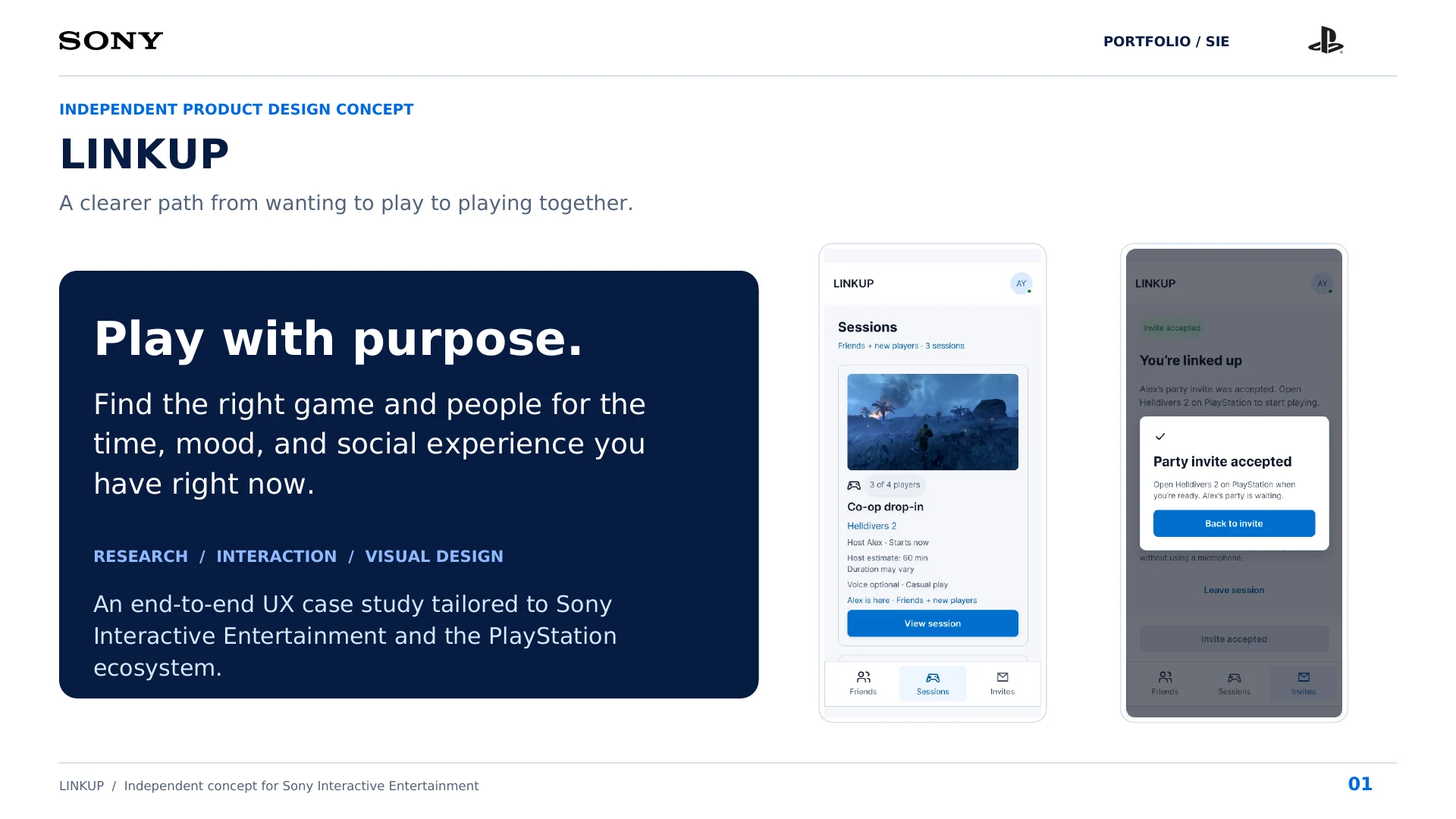
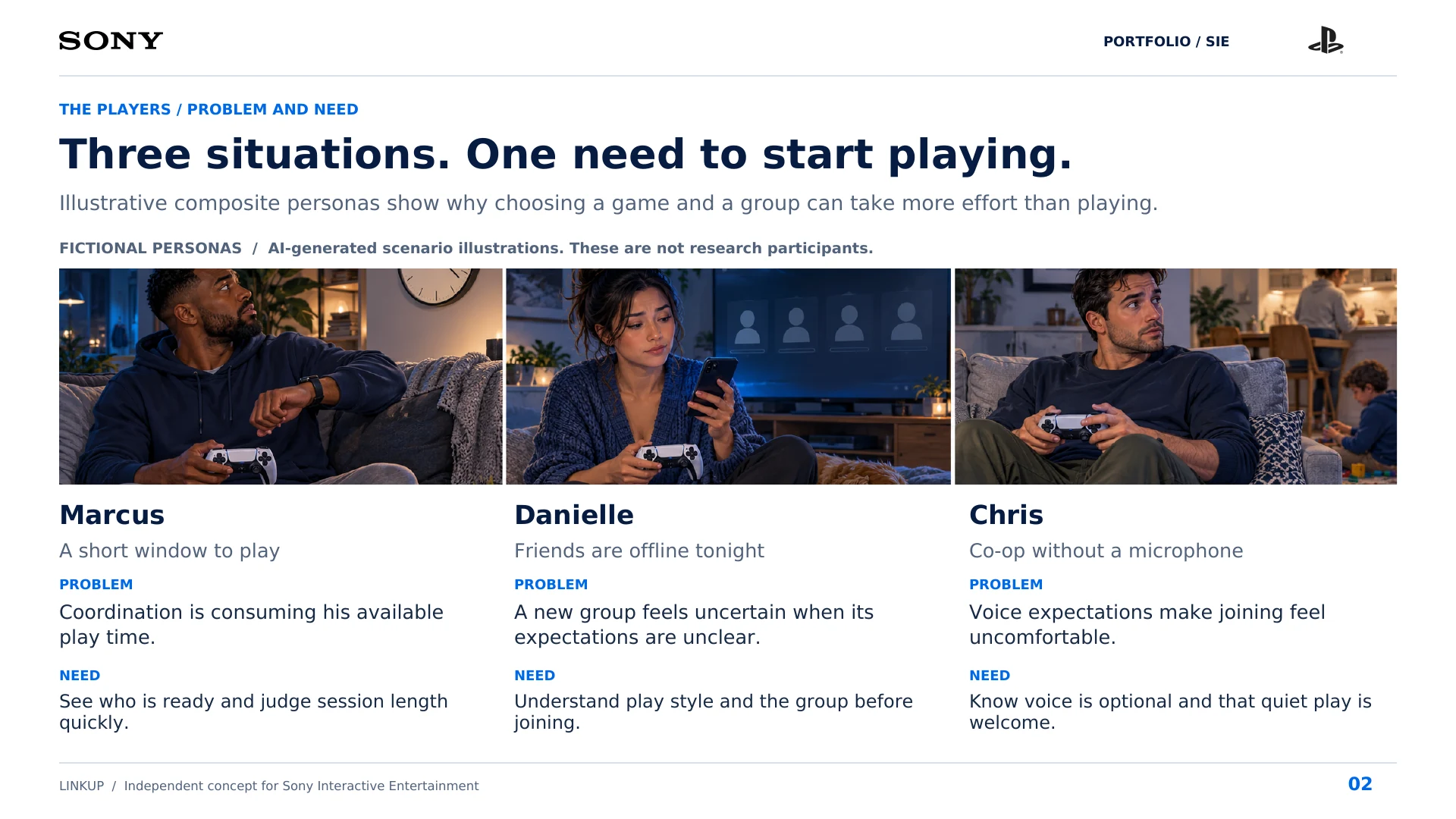
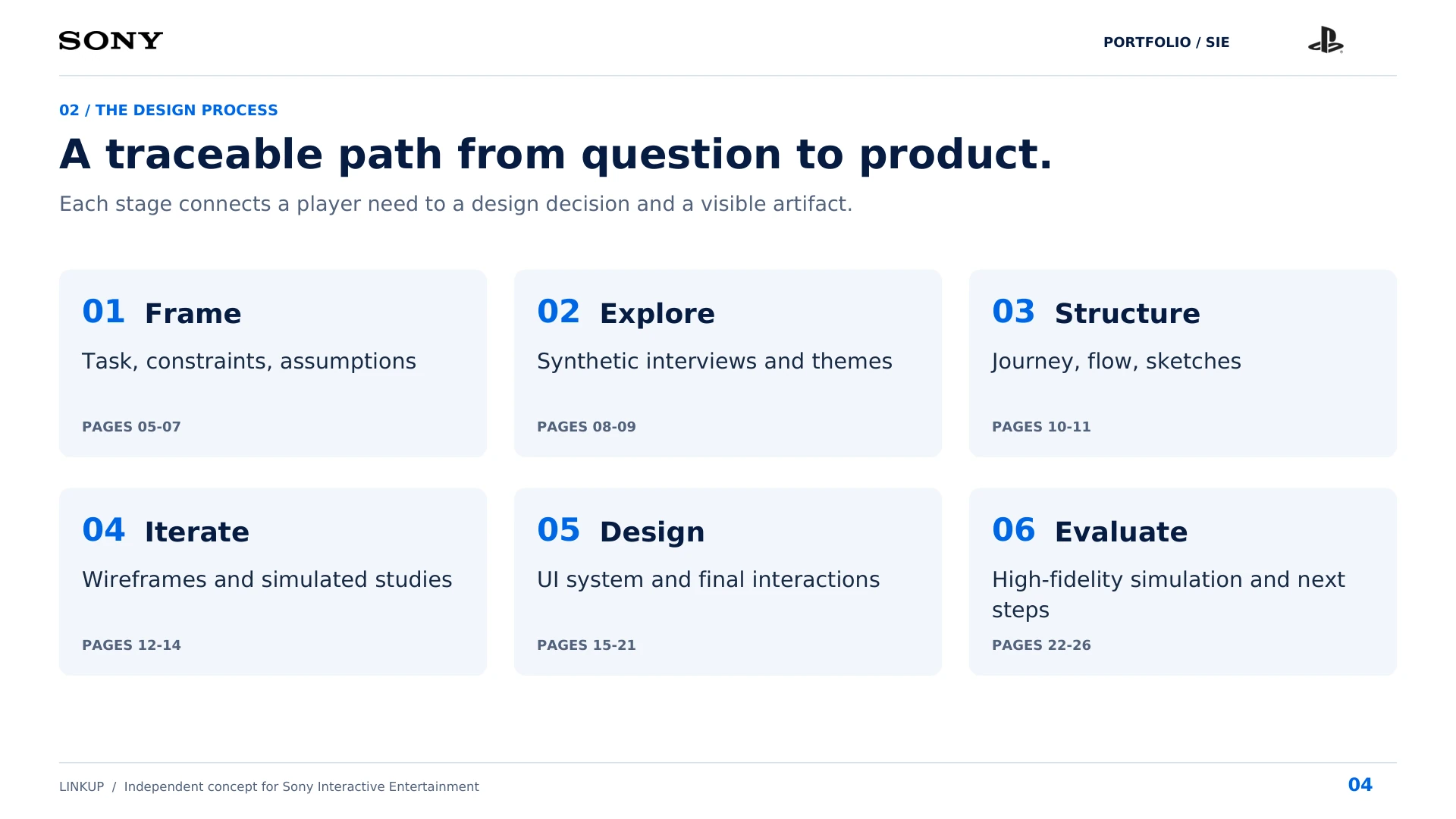
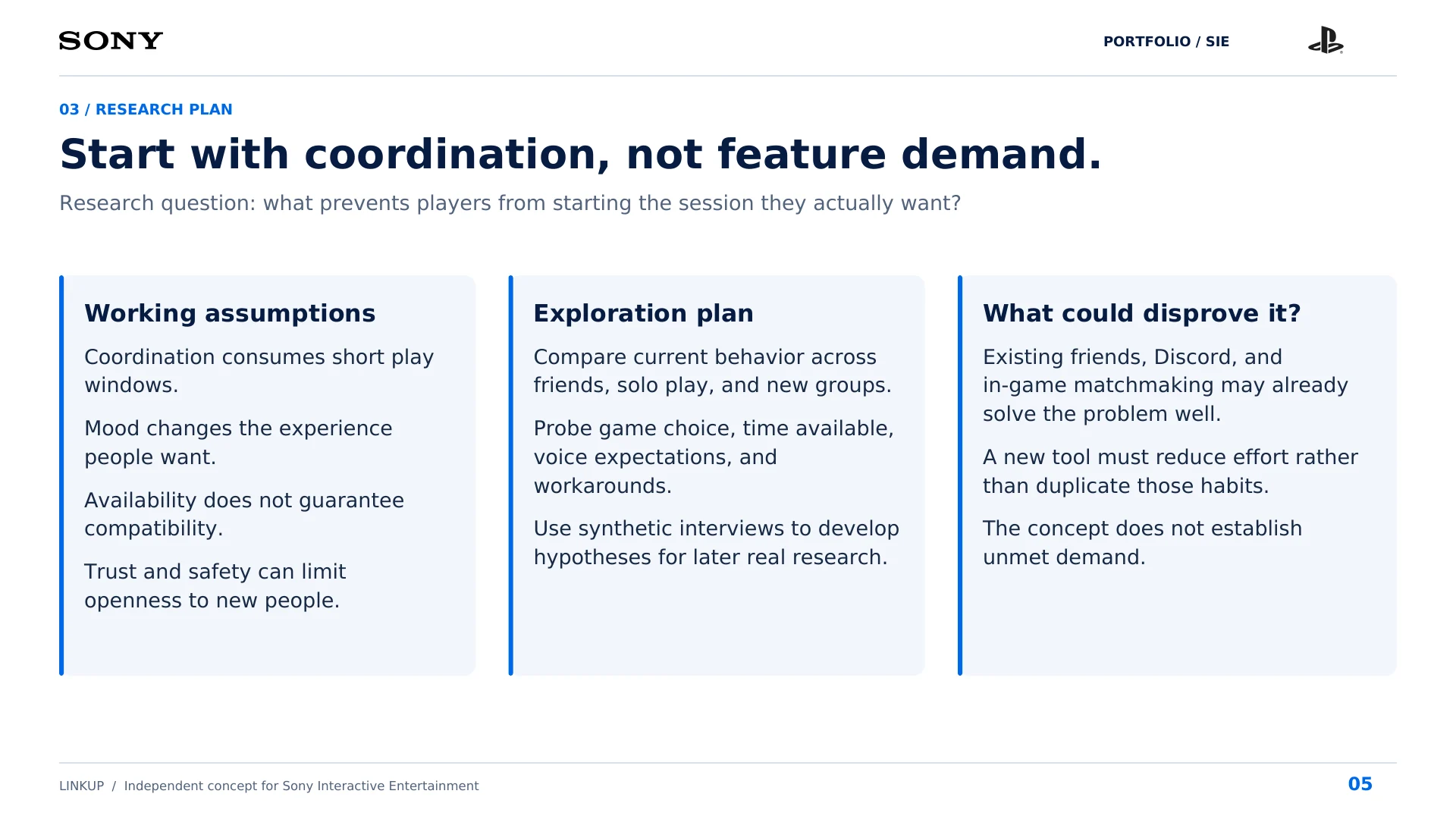
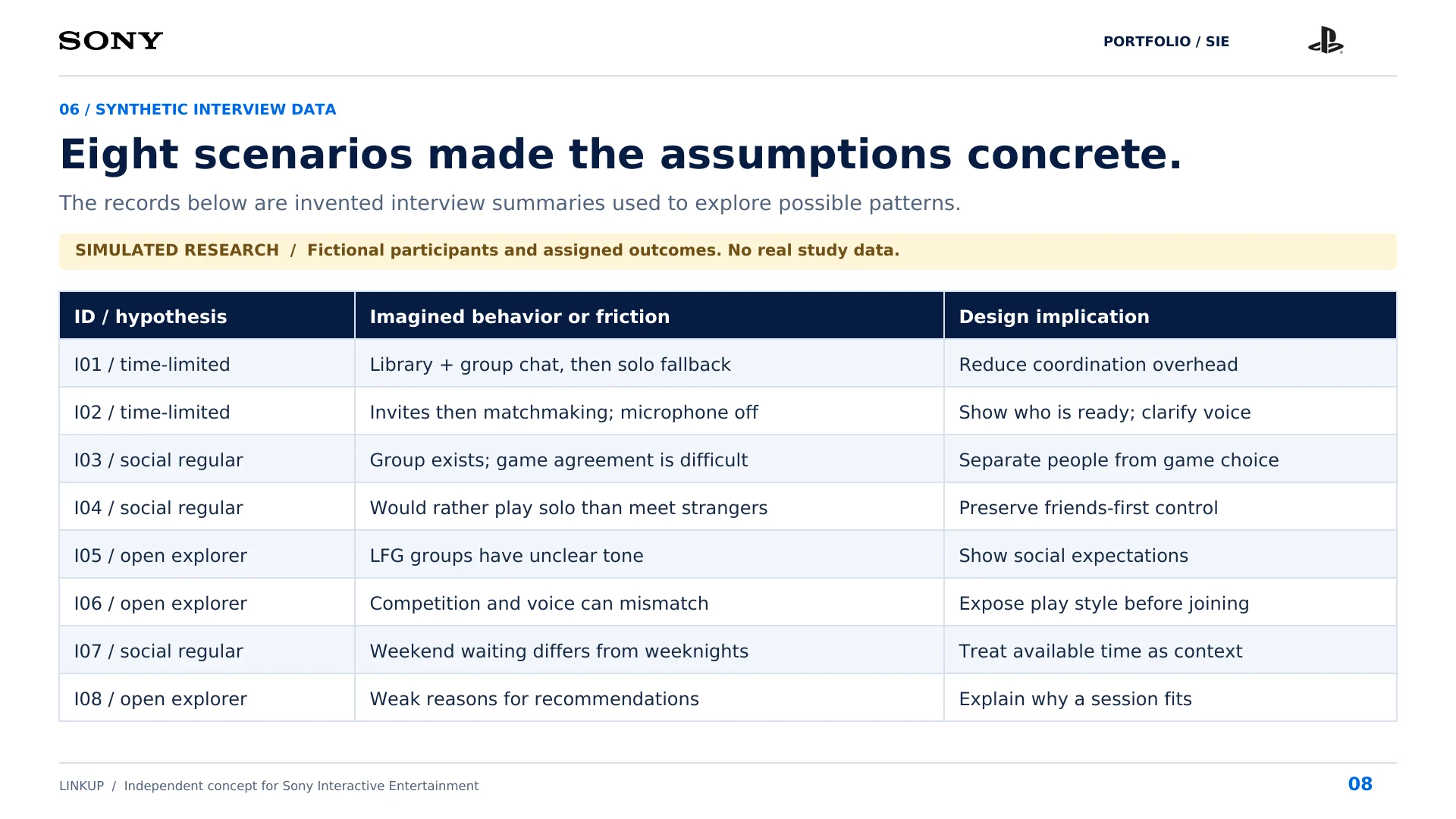
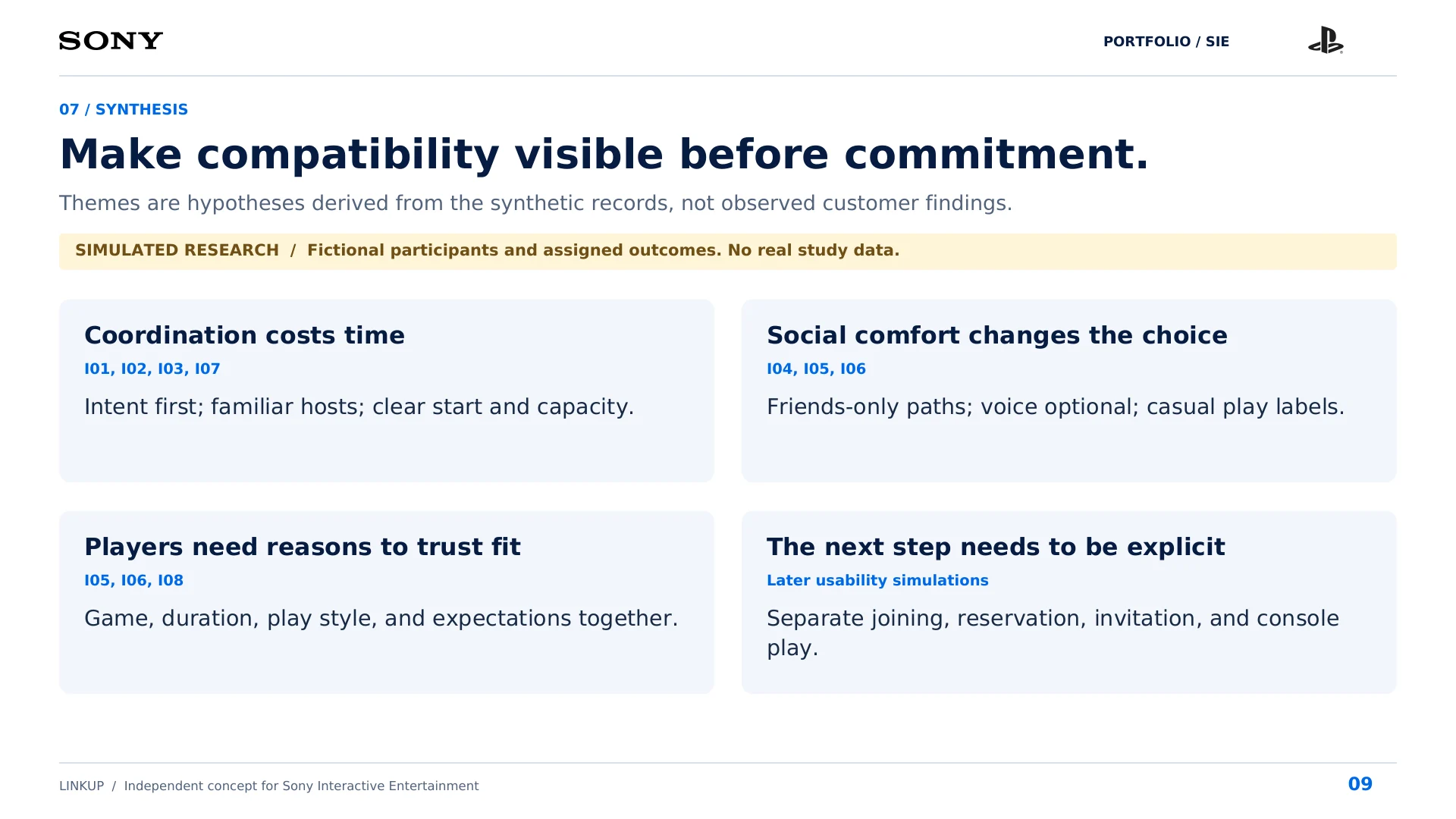
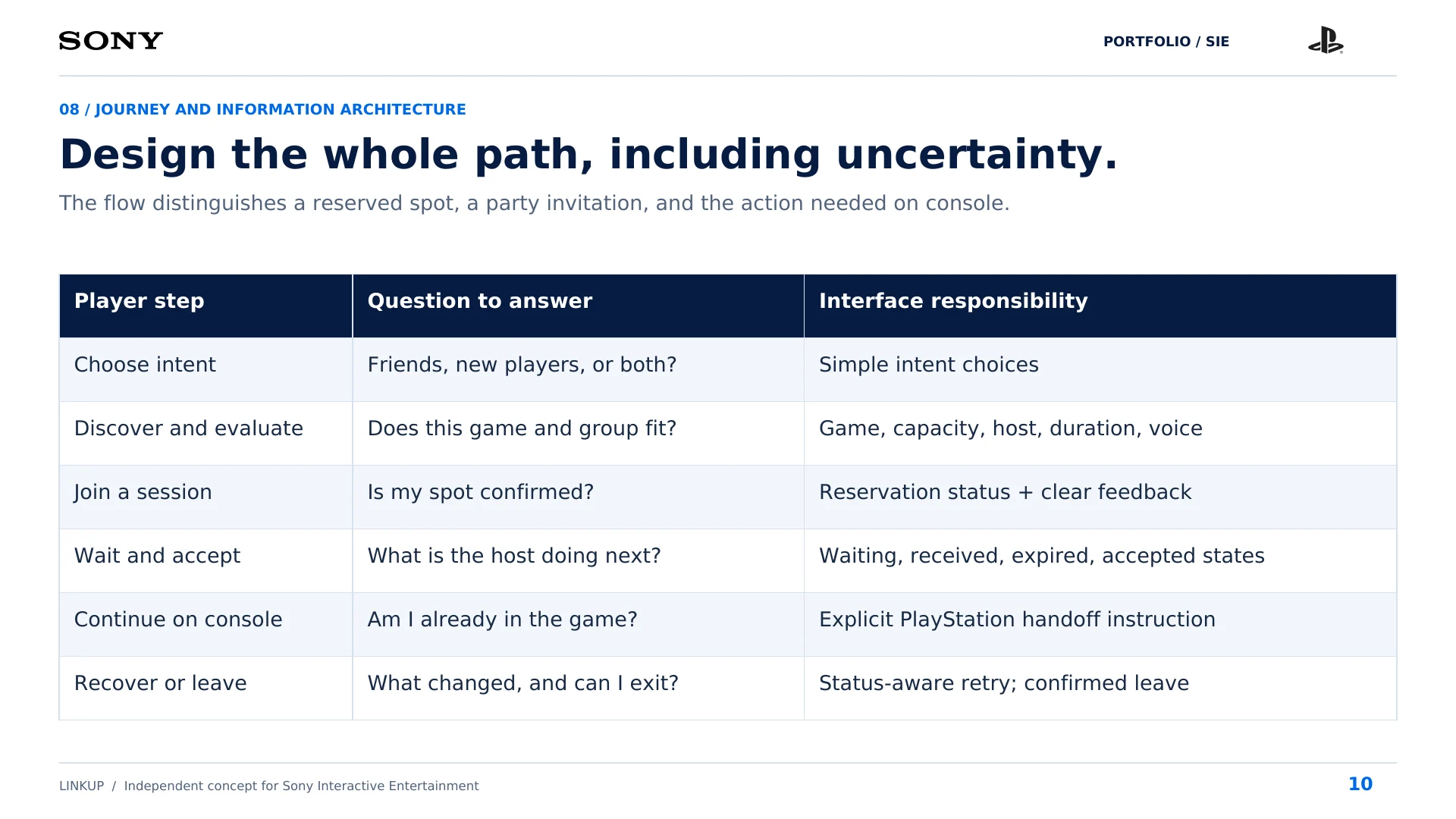
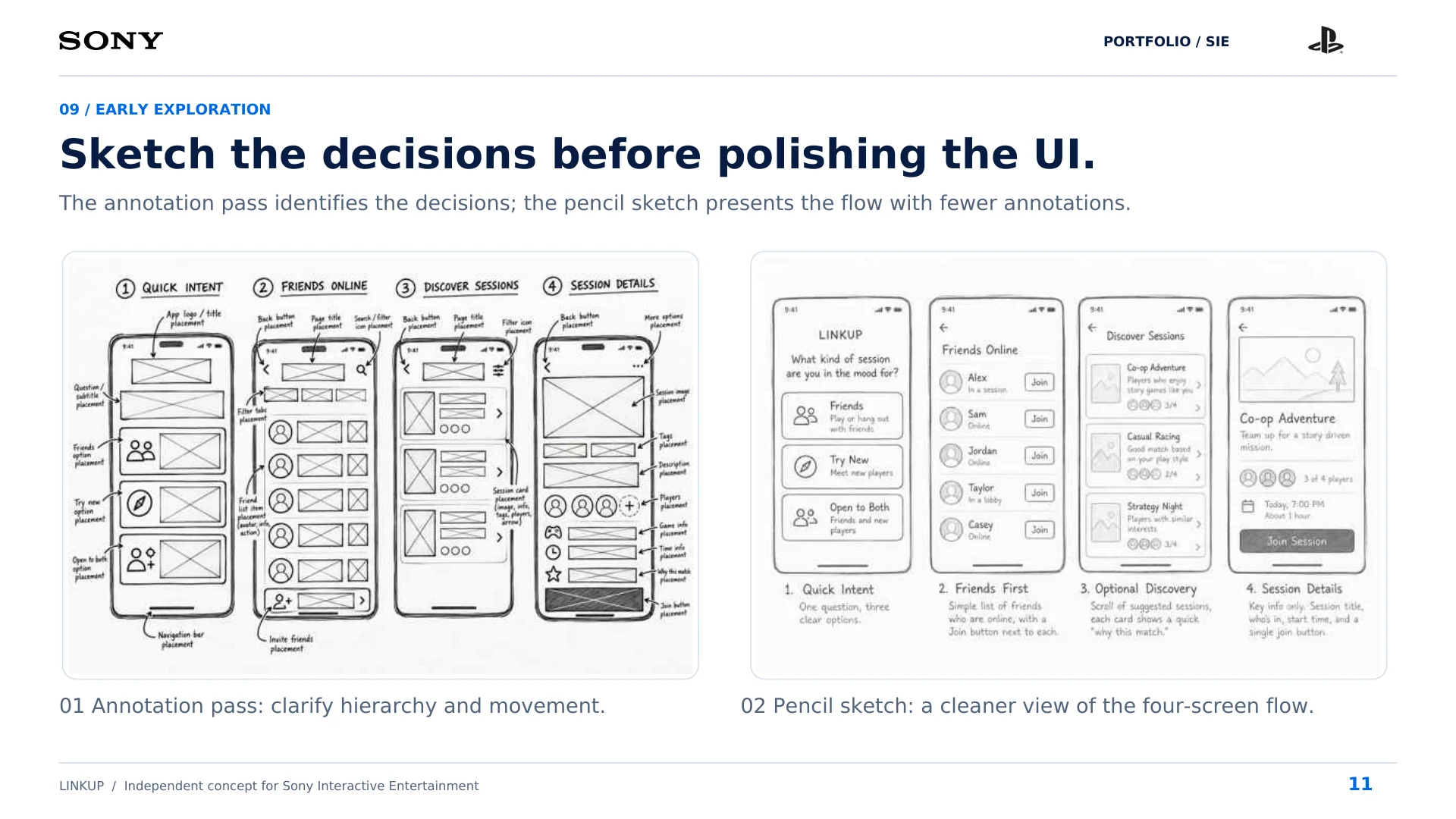
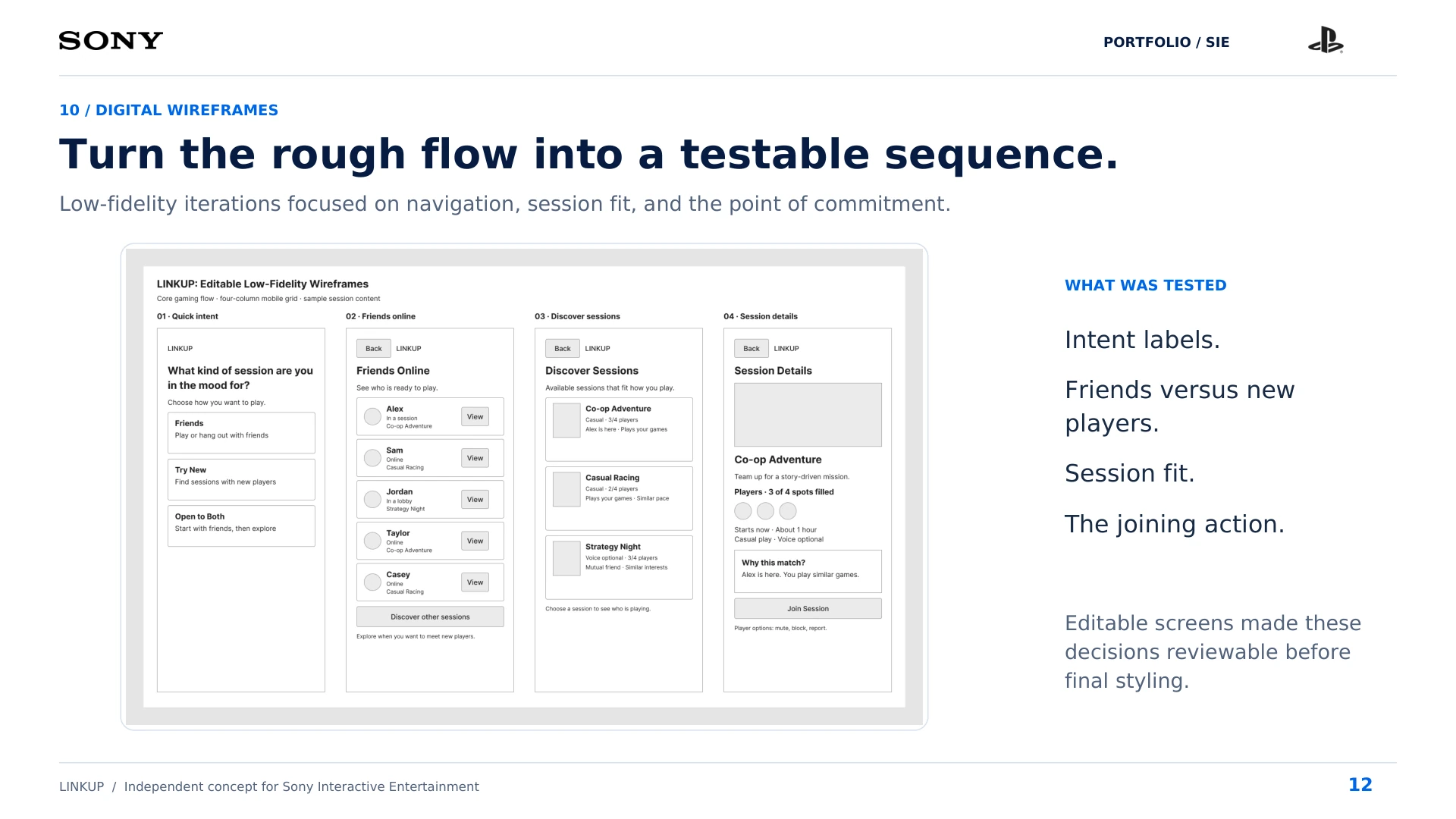
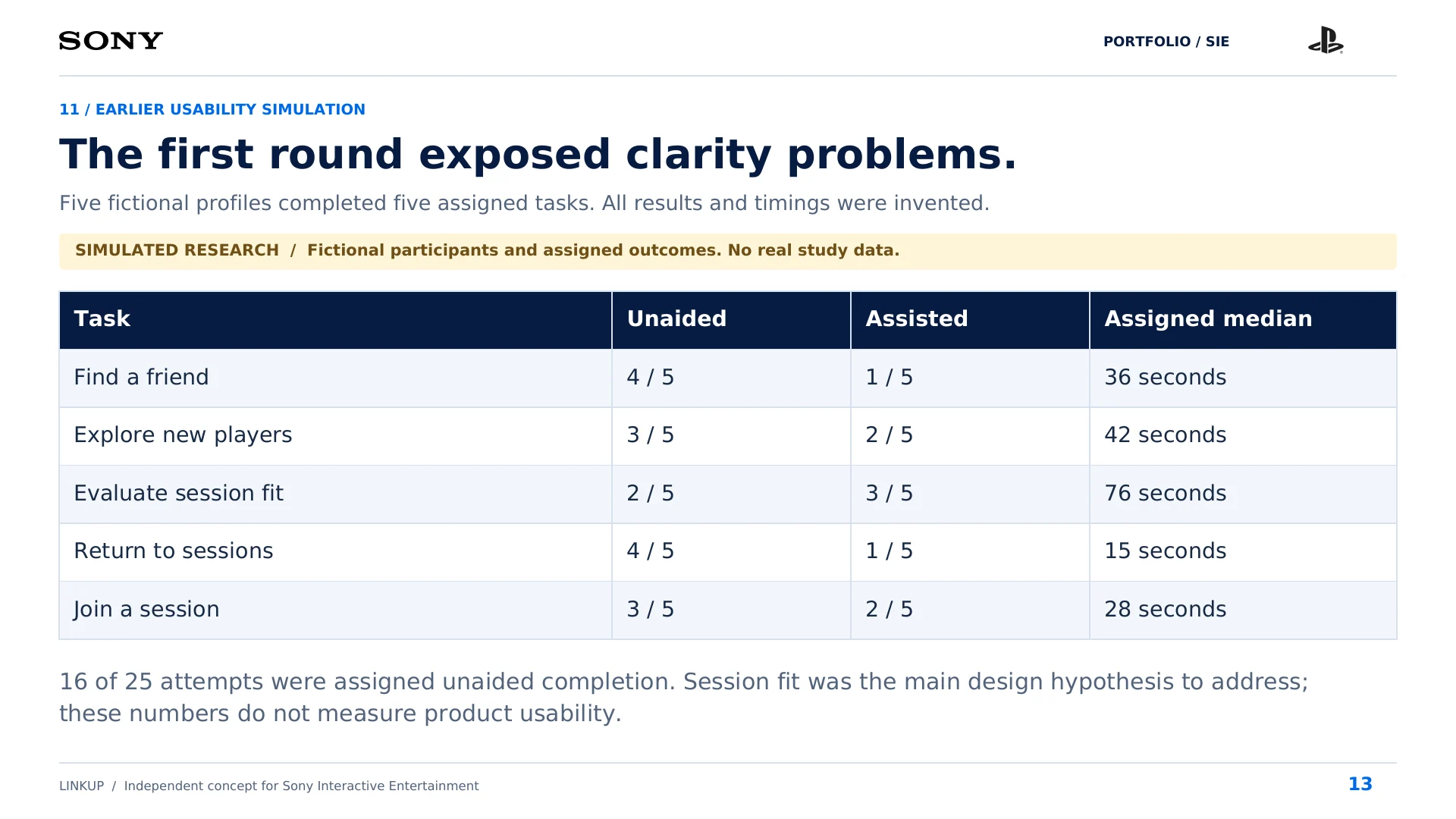
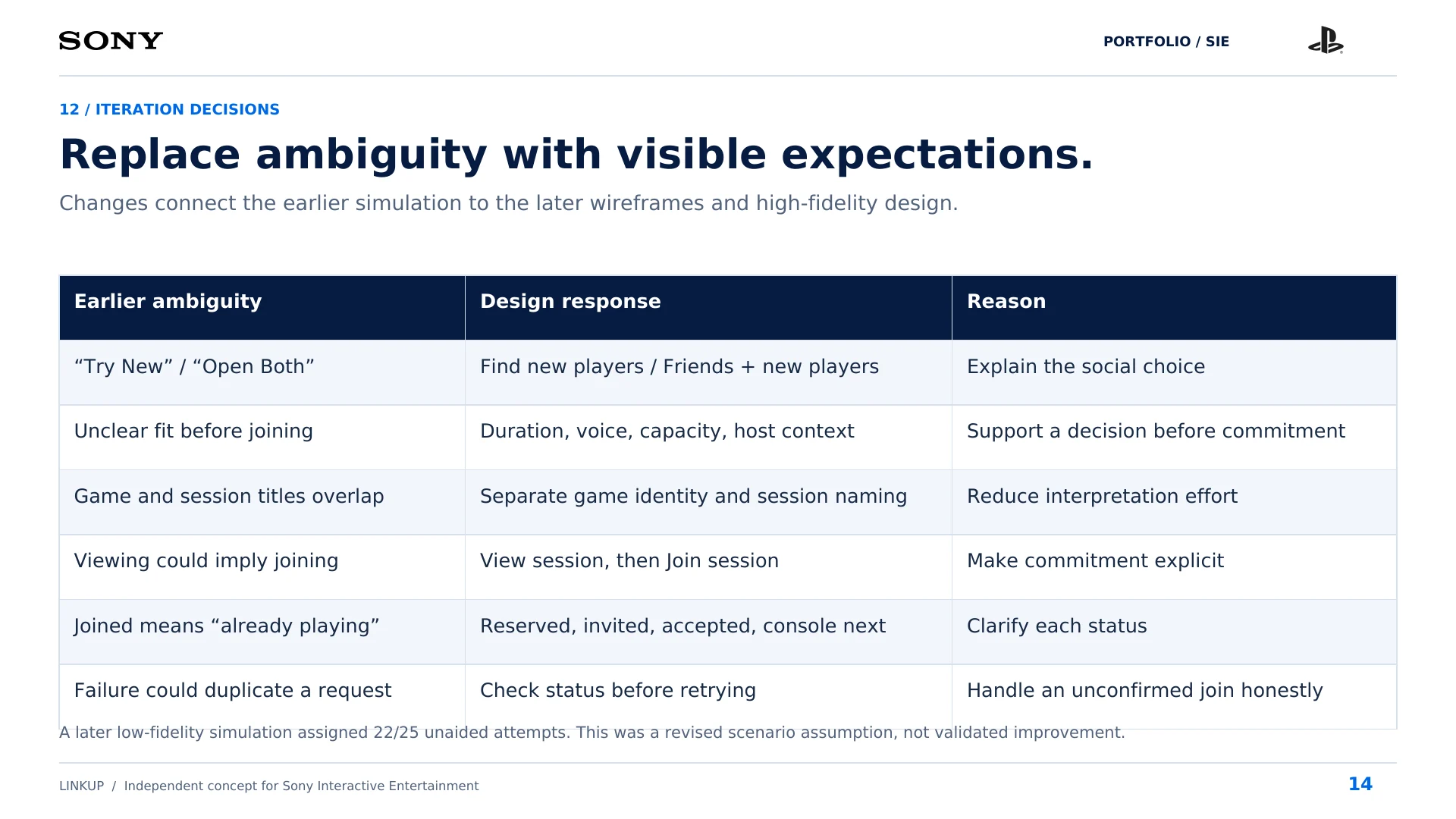
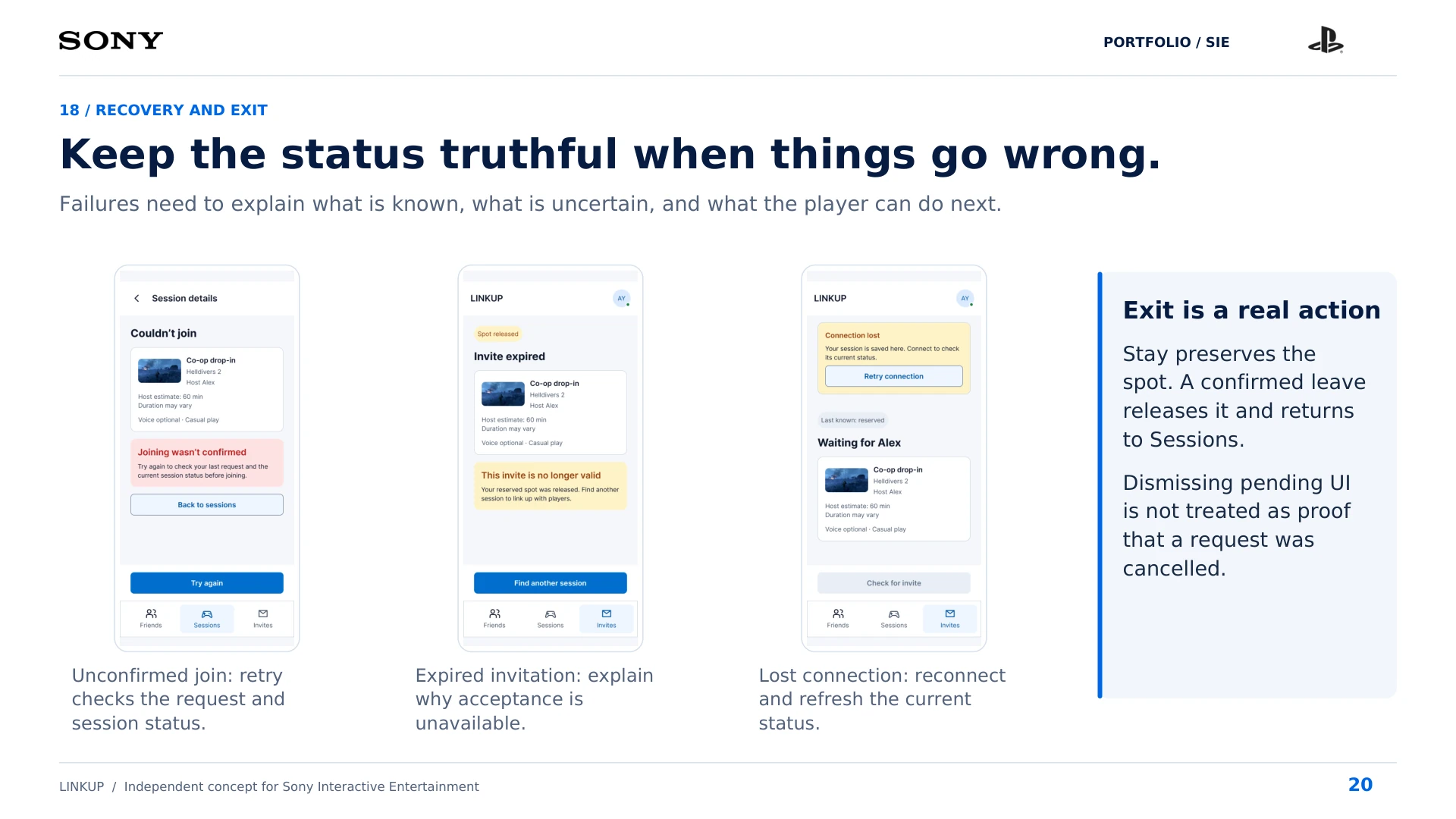
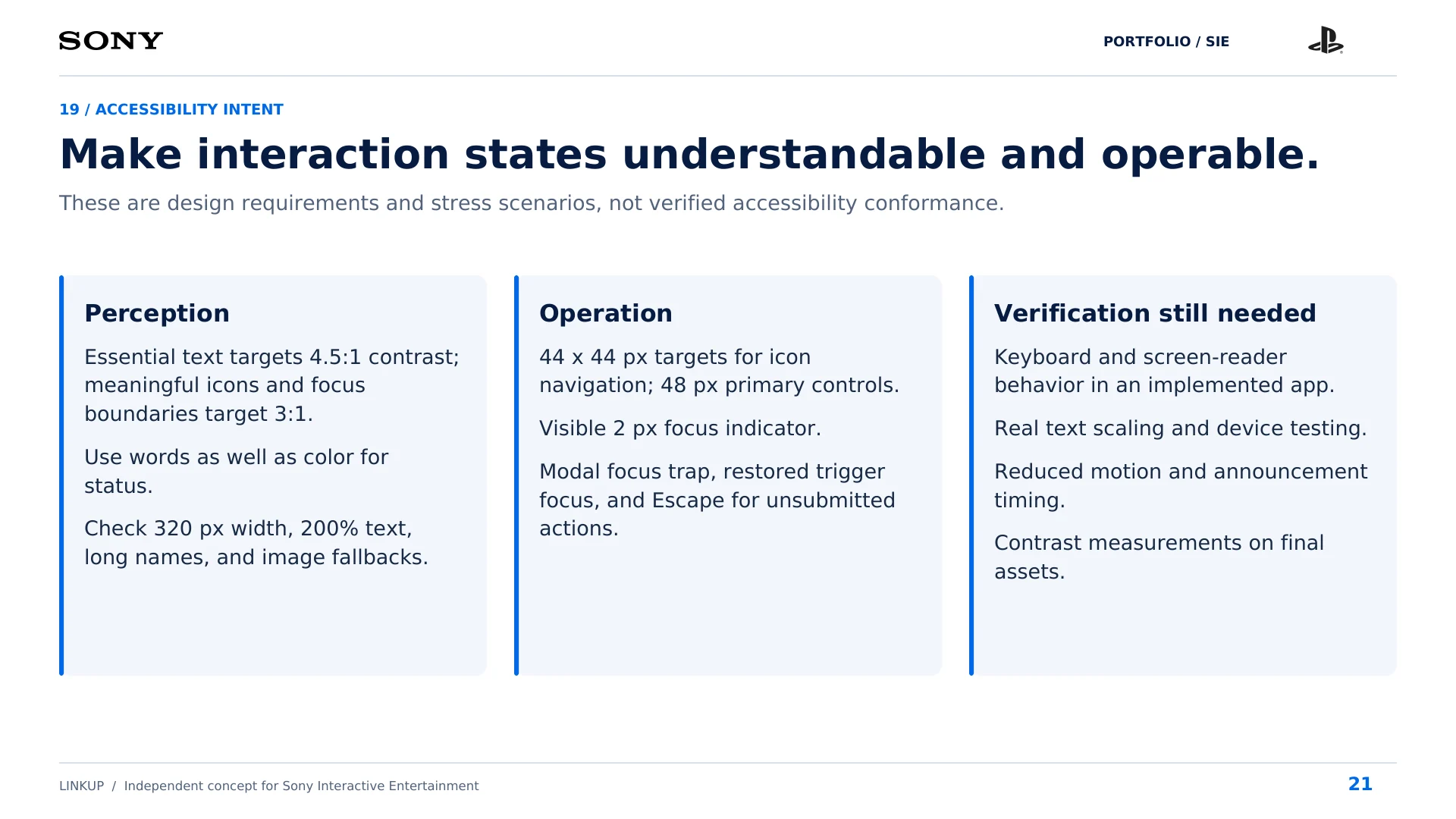
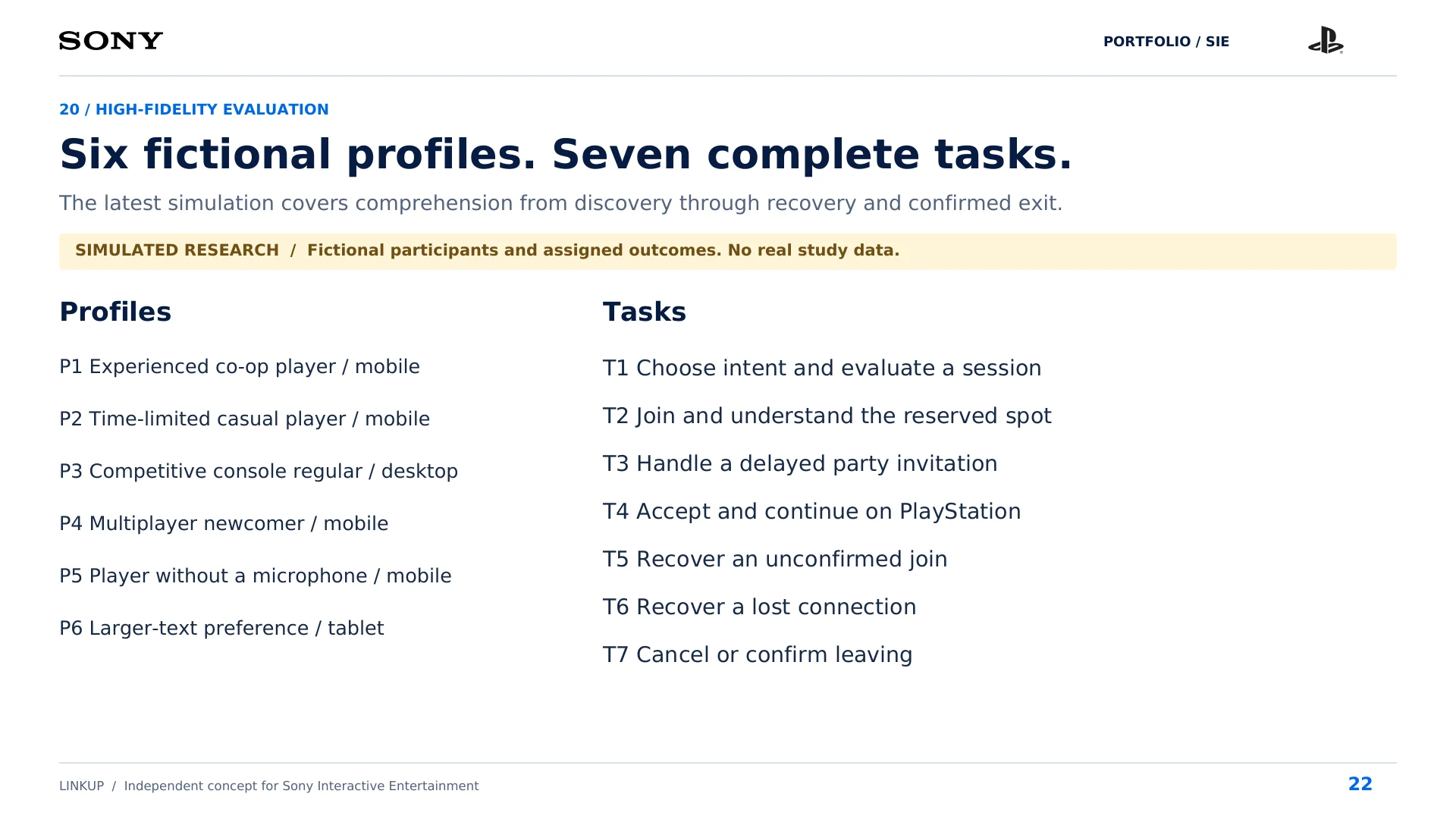
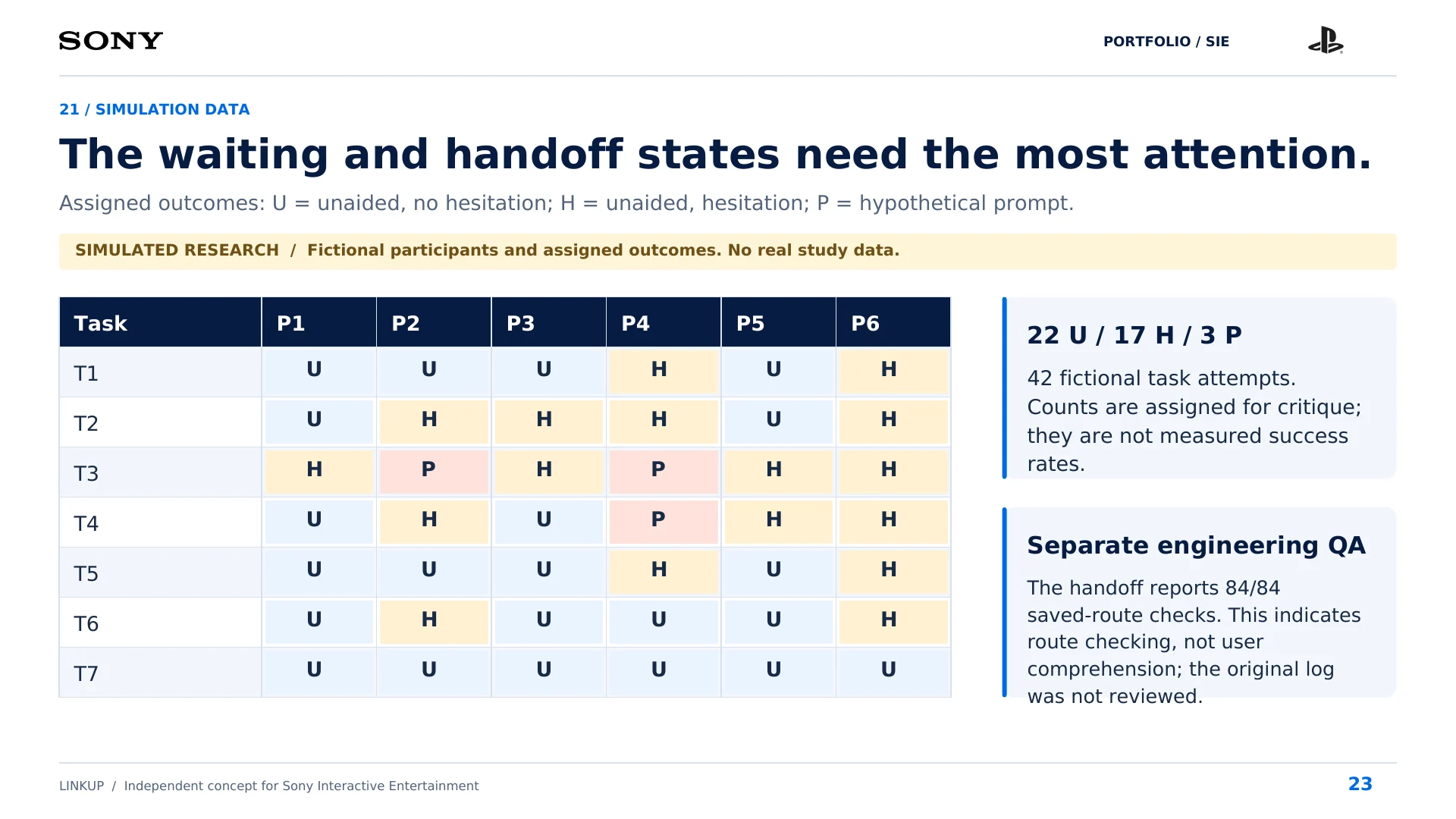
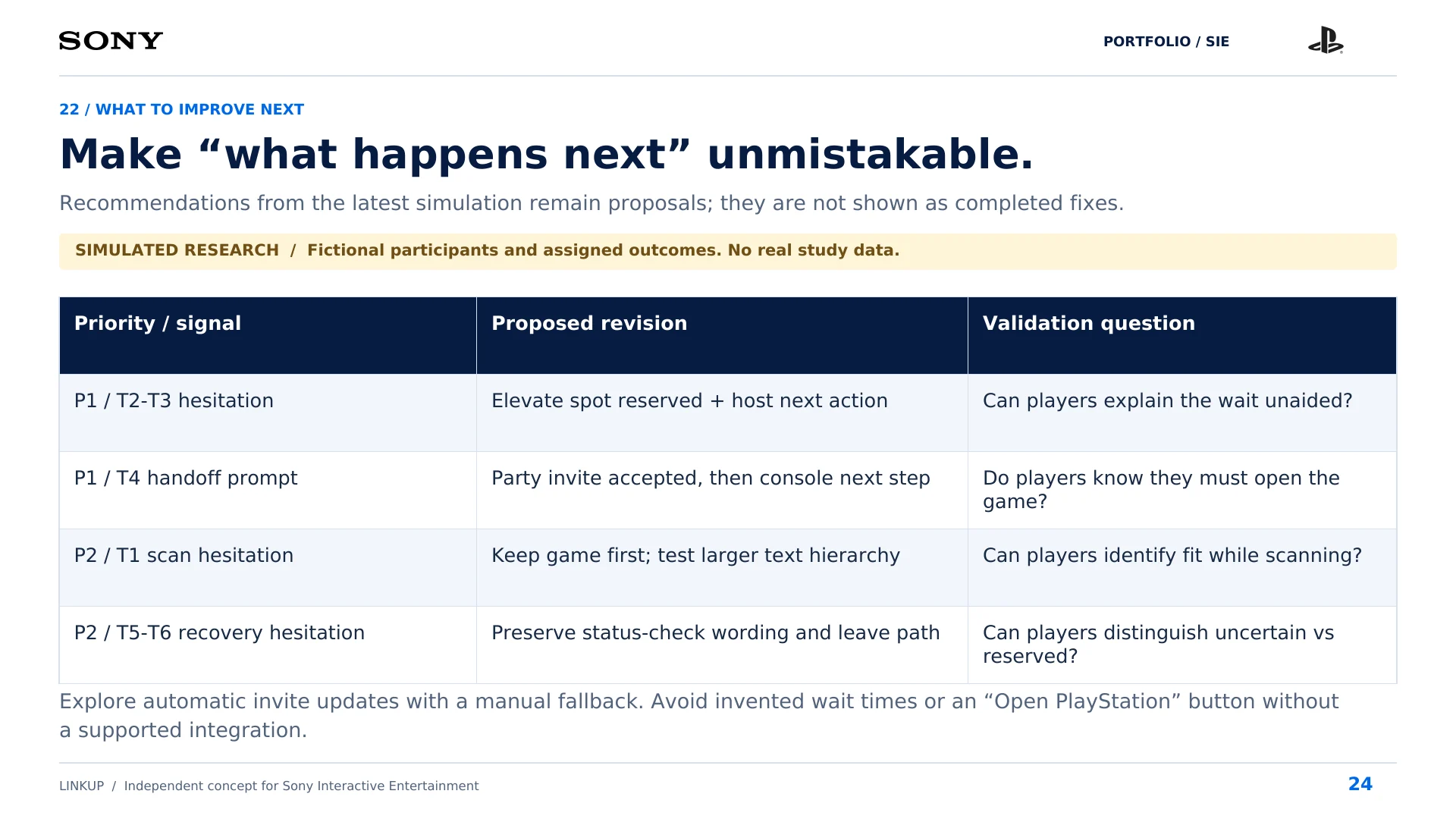
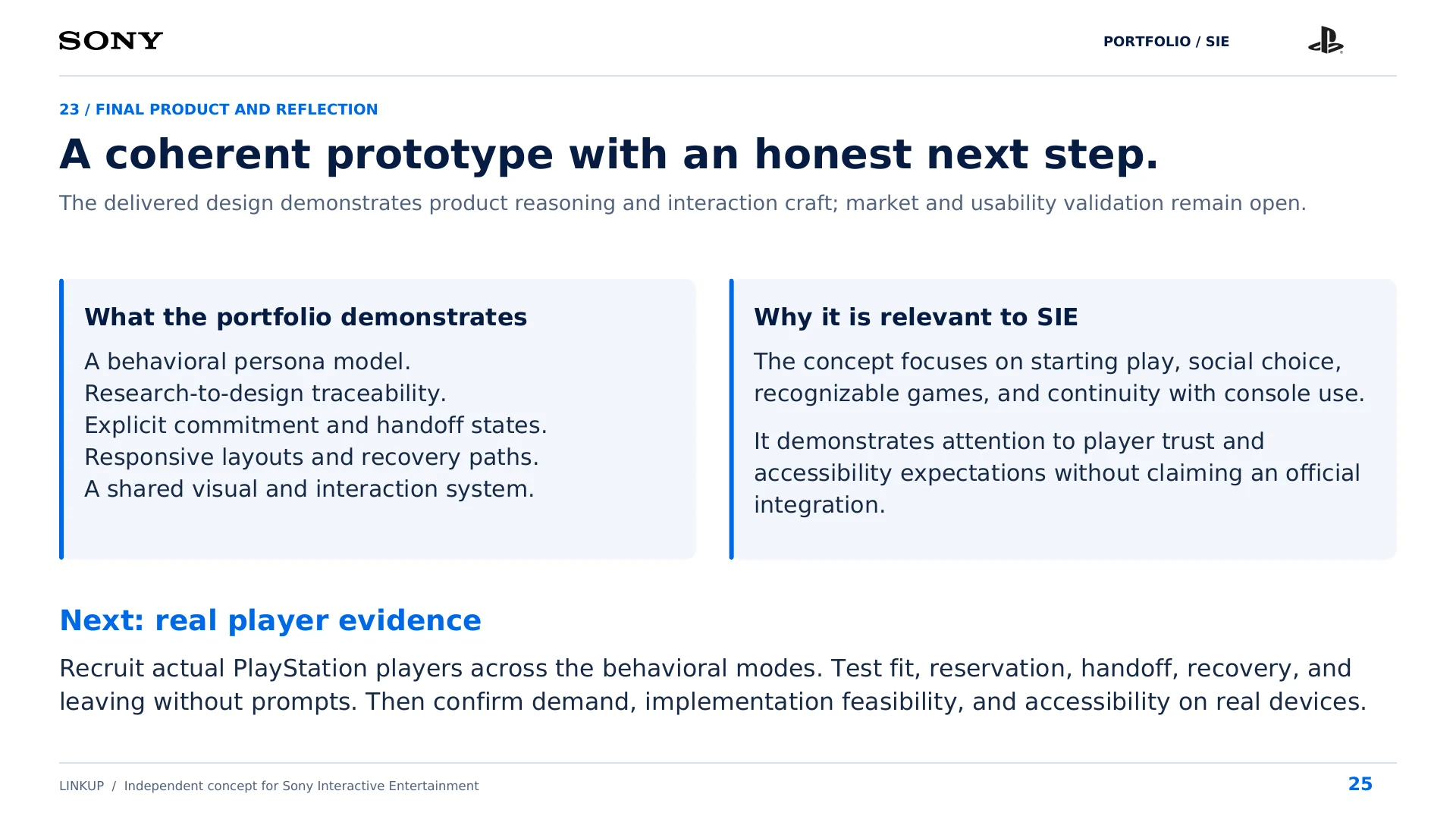
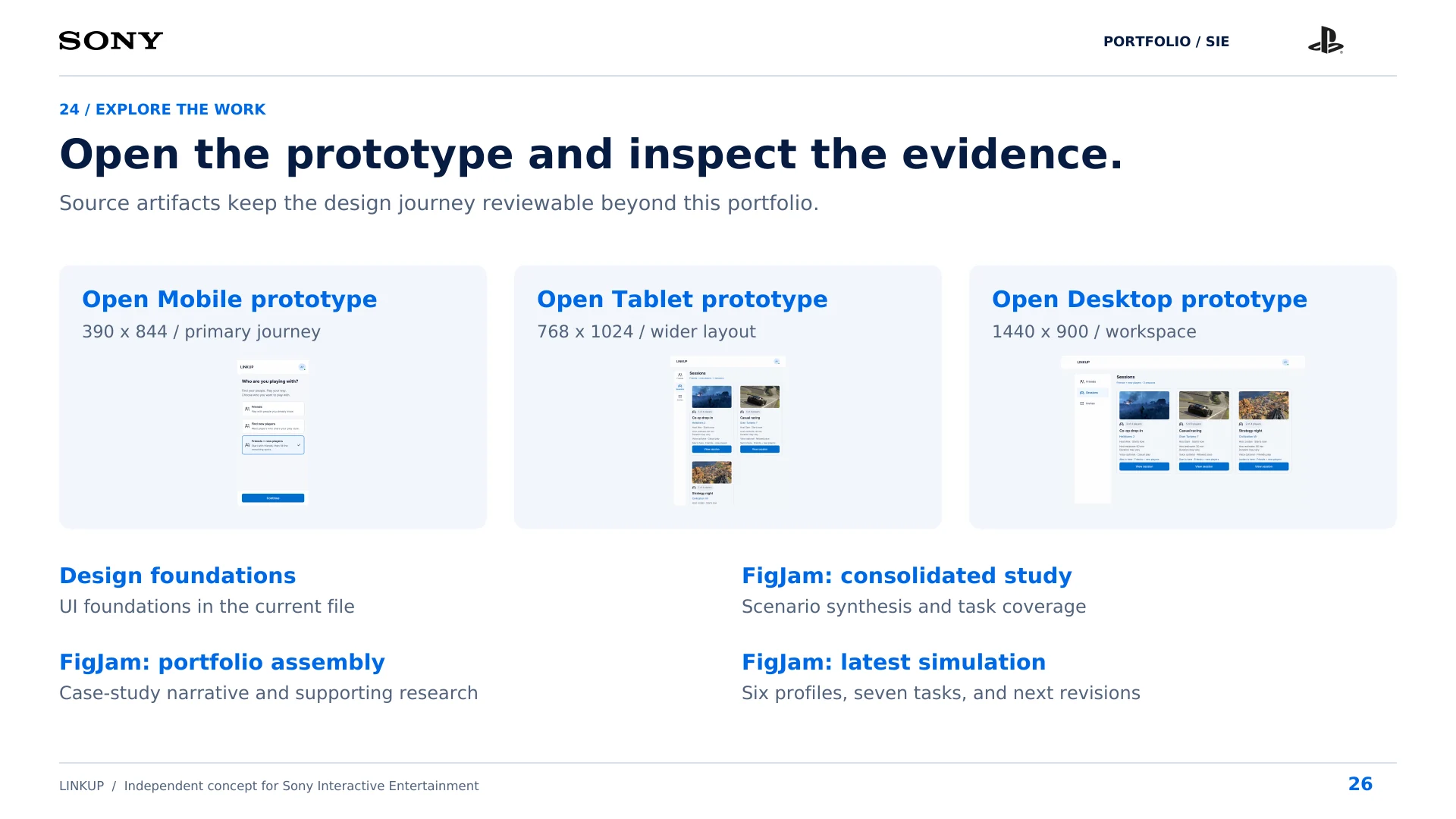
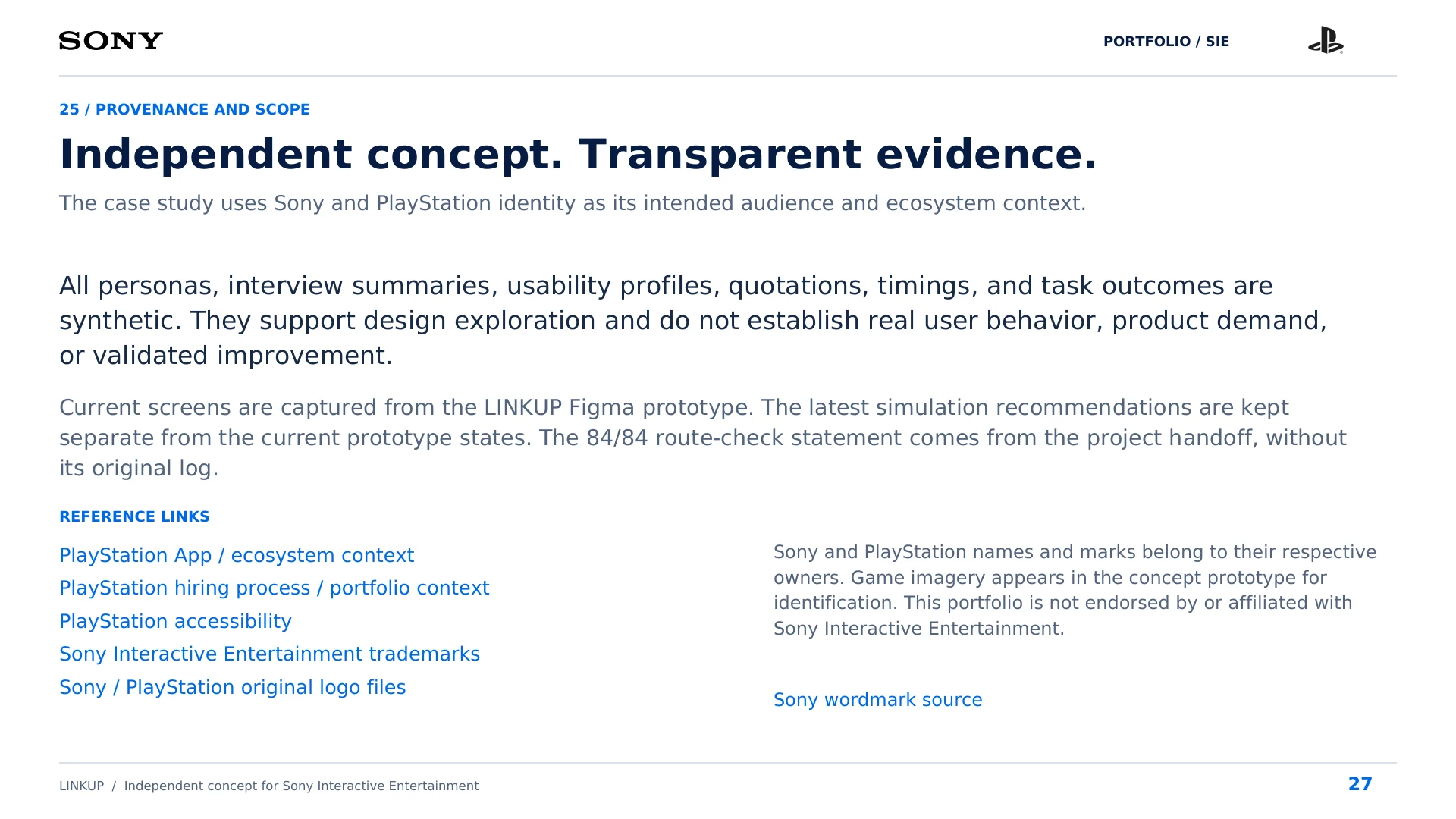
The next step is real player testing of session fit, waiting, console handoff, recovery, and leaving, followed by implementation and accessibility validation.
↑ Back to selected workIndependent conceptual redesign of a multi-channel quick-service ordering and pickup experience.
At a downtown Kitchener restaurant, counter, kiosk, and mobile customers converged into one crowded pickup environment. Identical purchases were called aloud, while only digital orders had a consistently visible identifier.
SERVICEFLOW proposes one four-digit order identity, synchronized preparation, readable status cues, clearer circulation, verified handoff, and assisted recovery within the compact existing footprint.
Explore the complete case study ↗View presentation board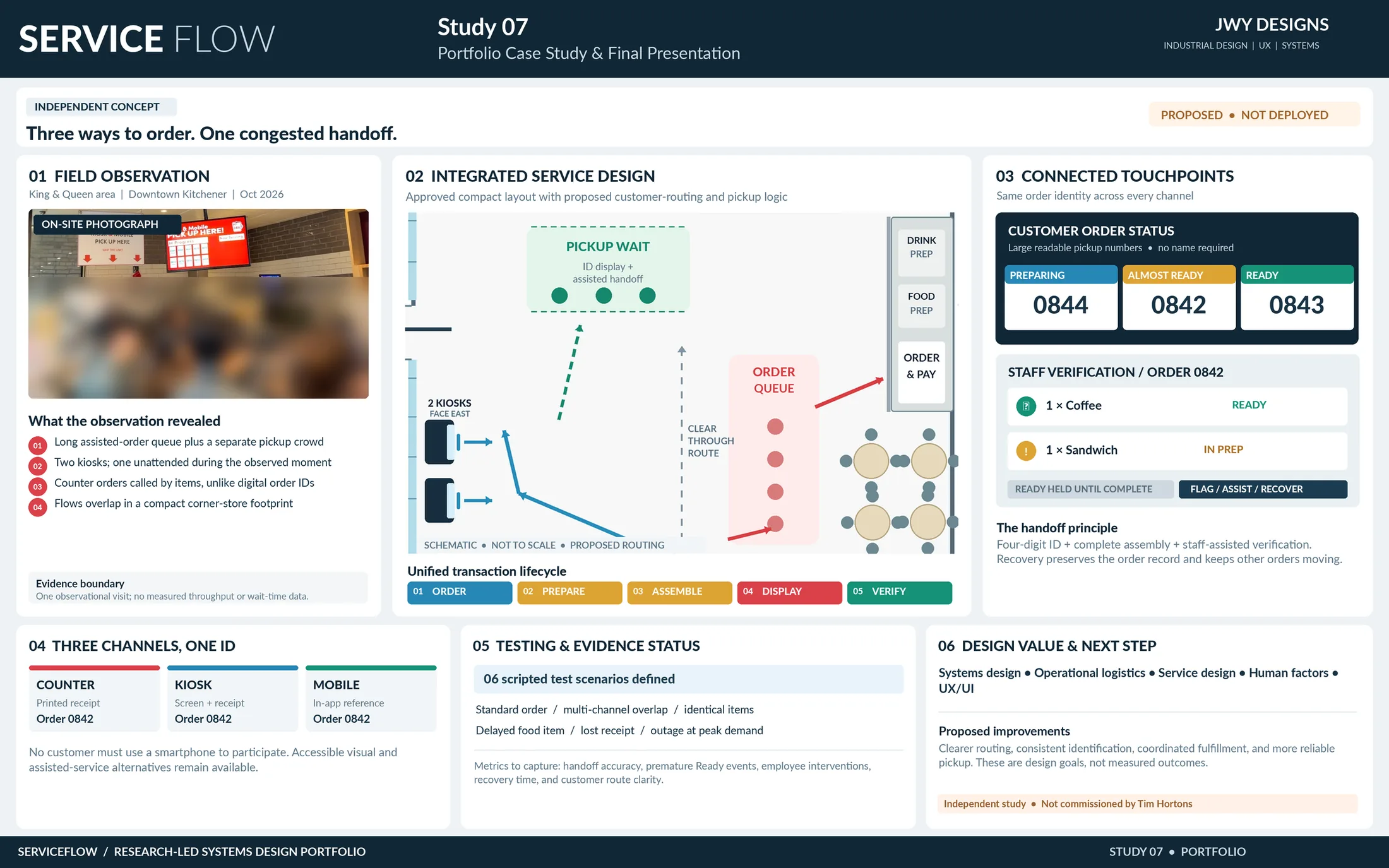
Queues intersect, some orders lack unique pickup identification, and verbal descriptions create potential confusion.
Counter, kiosk, and mobile share a unique four-digit ID, preparation status, visual pickup display, and staff-assisted verification.
Six validation scenarios are defined; no deployment, participant testing, or measured throughput improvement is claimed.
Independent study. Based on a public customer observation. Not commissioned by, affiliated with, or endorsed by Tim Hortons. Read the research-to-solution story →
↑ Back to selected workA practical framework that connects human needs to measurable outcomes.
Explore people, behaviors, constraints, environments and the real problem behind the request.
Translate research and observations into clear needs, requirements and opportunities.
Generate concepts, prototype quickly and collaborate across design, engineering and business.
Test, learn, iterate and implement—using continuous improvement to move ideas forward.
Selected career highlights based on my professional experience.
A broad toolkit for solving product, people and organizational challenges.
Product design · CAD modeling · Prototyping · Mock-ups · Materials · Ergonomics · ISO specifications · Technical drawings
Design strategy · Innovation roadmapping · Kaizen · Lean methodologies · Benchmarking · Competitive analysis · Emerging technology
User research · Behavioral insights · Human-centered design · Accessibility · Inclusive design · Usability · Human factors
Product strategy · Roadmaps · Requirements · Cross-functional leadership · Budget management · Vendor negotiation · Risk assessment
Stakeholder management · Presentations · Training · Coaching · Mentorship · Cross-cultural communication
Service blueprints · Workflow architecture · Queue management · Spatial analysis · Order tracking · Exception handling · Human factors validation
CAD · Microsoft Word · Excel · PowerPoint · Outlook · English/Japanese communication
For employers, recruiters and collaborators interested in design, innovation and human-centered problem solving.
I'm open to opportunities where industrial design, innovation strategy, human insight and practical execution can create meaningful results.